DbcultAccessing Vault...
Cult Review
Senior Film Conservator
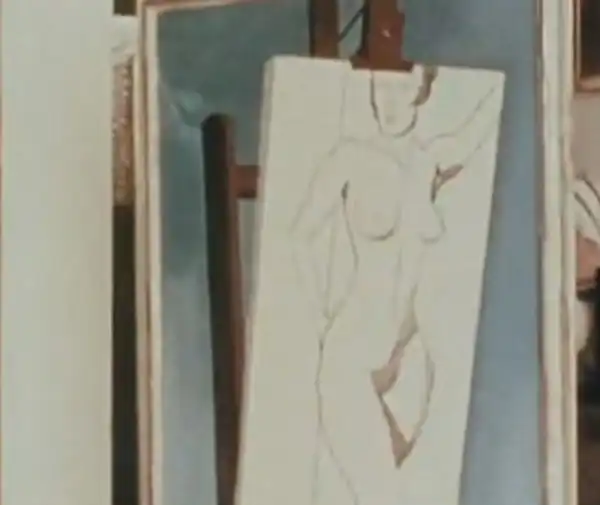
In the annals of early cinema, where narratives often hinged on grand melodramas or slapstick antics, certain films distinguished themselves through sheer ingenuity of premise. 'My Lady's Ankle', a remarkable creation from the minds of Bernard McConville, Karl R. Coolidge, and Doris Schroeder, stands as one such testament to the power of a simple, yet profoundly resonant, idea. This cinematic gem, despite its seemingly whimsical title, delves into the fascinating interplay between artistic expression, economic desperation, and the often-fickle nature of societal propriety. It's a film that, even a century removed from its original release, offers a surprisingly incisive commentary on trends, ownership, and the unexpected ripple effects of a single, audacious act.
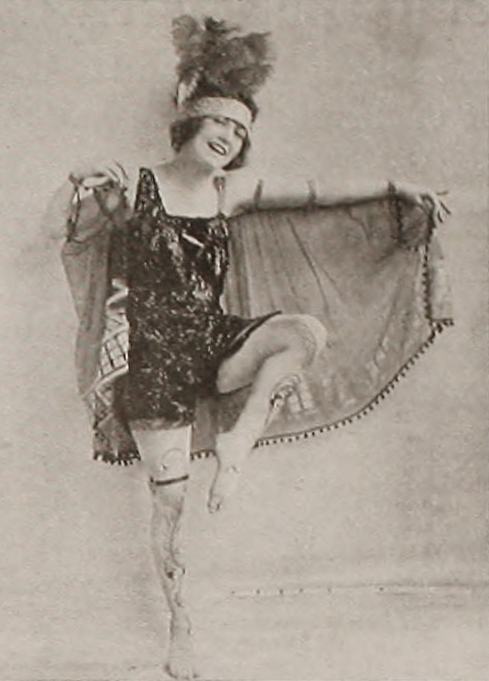
The narrative unfurls with a palpable sense of the young artist's struggle. Life for this creative soul and his dancer wife is not one of bohemian indulgence, but rather of relentless financial precarity. The absence of 'fine stockings' — a seemingly minor detail, yet a potent symbol of status and decorum in the era — becomes the crucible for innovation. Rather than succumbing to the limitations imposed by their impecunious circumstances, the artist, portrayed with a compelling blend of desperation and inventiveness by Robert Anderson, seizes upon a truly radical solution. He transforms his wife's legs into living canvases, adorning them with intricate, perhaps even dazzling, painted designs. This act is not merely a practical workaround; it's a defiant declaration against the strictures of their situation, an artistic flourish born directly from necessity. Beulah Booker, as the wife, embodies this transformation with grace and a burgeoning confidence, her initial vulnerability subtly giving way to an embrace of her newfound, albeit unconventional, allure.
The cabaret stage, a traditional arena for spectacle and escapism, becomes the unwitting launchpad for this sartorial revolution. The audience, accustomed to conventional beauty, is undeniably captivated by the sheer audacity and aesthetic novelty of Booker's embellished ankles. What begins as an artistic improvisation quickly transcends its humble origins, evolving into a bona fide sensation. The film masterfully captures the intoxicating momentum of a trend taking hold, depicting how a singular, innovative act can ignite a collective fascination. This isn't just about fashion; it's about the power of visual disruption, a challenge to established norms of beauty and presentation. The painted ankle becomes a symbol of individuality, a subversive statement in a world often dictated by rigid social codes.
The brilliance of 'My Lady's Ankle' lies not just in its portrayal of artistic triumph, but in its astute observation of the societal backlash that inevitably follows such a challenge to convention. As the painted leg trend proliferates, inspiring countless other women to emulate Booker's dazzling display, the film pivots from a lighthearted exploration of innovation to a more nuanced examination of social control and ownership. The burgeoning popularity of this new fashion, initially celebrated for its novelty, soon begins to chafe against the sensibilities of a more conservative populace. This is where the narrative truly gains its satirical edge, exposing the often-absurd reactions of those who feel threatened by changing norms.
The 'altercations' described in the plot synopsis are not mere comedic interludes; they are potent manifestations of patriarchal anxieties. Angry husbands and possessive sweethearts emerge as the primary antagonists, their fury stemming from a perceived loss of control over their partners' bodies and public image. Their outrage is rooted in the notion that their women are displaying themselves in a manner deemed 'improper' or 'provocative,' implicitly challenging the traditional boundaries of modesty and the male gaze. Jennie Lee, in her role, likely provides a compelling counterpoint to this burgeoning male indignation, perhaps representing the older generation's bewilderment or even a quiet understanding of the underlying human desire for expression. The film, through these escalating conflicts, subtly interrogates the very concept of ownership, asking who truly dictates a woman's appearance and self-presentation.
One might draw a thematic parallel to films like Slander or Il processo Clémenceau, not in their specific legalistic frameworks, but in their shared exploration of how public perception and societal judgment can dramatically impact individual lives. While 'My Lady's Ankle' leans into comedic farce, the underlying tension of societal condemnation and the pressure to conform are undeniably present. The film effectively illustrates how a seemingly innocuous fashion choice can become a flashpoint for deeper cultural conflicts, revealing the fragility of social norms and the often-irrational fear of the 'new' or 'different'.
The success of a silent film, perhaps more than any other medium, hinges on the expressive capabilities of its cast. Robert Anderson, as the artist, delivers a performance rich in nuance, conveying both the desperation that drives his innovation and the quiet pride as his art takes hold. His journey from an impoverished dreamer to the unwitting instigator of a social phenomenon is rendered with a believable arc, allowing the audience to empathize with his plight and celebrate his ingenuity. Beulah Booker, as his wife and muse, is the film's incandescent core. Her transformation from a dancer struggling with inadequate attire to a confident trendsetter is portrayed with exquisite subtlety. Her expressions, gestures, and overall demeanor convey a woman navigating newfound attention and the complex emotions that accompany it – perhaps a mix of thrill, apprehension, and ultimately, empowerment. Her performance is pivotal in humanizing the 'scandalous' trend, making her not just a figure of controversy, but a relatable individual caught in the whirlwind of her own making.
Jennie Lee, a veteran of early cinema, brings a gravitas and groundedness to her role, whatever its specific contours. Often, such characters serve as a moral compass, a voice of reason, or a representative of established order. Her presence likely adds a layer of depth to the ensemble, providing a counterpoint to the more flamboyant and agitated characters. The interplay between these performers, guided by the vision of the writers, creates a dynamic tapestry of human reactions to an unusual circumstance. The film's ability to elicit both laughter and reflection on societal norms is a testament to their collective skill in bringing this unique narrative to life without the aid of spoken dialogue.
The narrative's distinctive charm and insightful social commentary are undoubtedly the fruit of its writing team: Bernard McConville, Karl R. Coolidge, and Doris Schroeder. Their collaborative effort in crafting a story that is at once lighthearted and thought-provoking is commendable. They manage to weave together elements of romantic drama, social satire, and a nascent exploration of artistic freedom, all within the constraints of early cinematic storytelling. The plot, while straightforward, is imbued with layers of meaning, allowing for multiple interpretations beyond its surface-level entertainment. They understood the power of a simple, relatable human problem – poverty – and found an extraordinary, imaginative solution that then spiraled into a larger social commentary. This kind of narrative economy, where a single premise generates such rich thematic material, is a hallmark of skilled screenwriting.
Their vision for 'My Lady's Ankle' transcends mere escapism. It invites audiences to ponder the arbitrary nature of fashion, the thin line between innovation and scandal, and the often-comical human tendency to resist change. The escalating 'altercations' are not just plot devices; they are astute observations of human nature and societal response to perceived transgressions. The writers' ability to concoct a scenario that elicits both amusement and a subtle critique of societal mores is a testament to their collective talent. Their work here feels reminiscent of the way some early films, like perhaps The Measure of a Man, sought to examine human character and societal pressures through specific, often challenging, circumstances, albeit with a different tonal approach.
What makes 'My Lady's Ankle' resonate even today is its surprisingly prescient commentary on the cyclical nature of fashion trends and the enduring human struggle between conformity and individual expression. The film, in its quaint early 20th-century setting, mirrors contemporary phenomena where a single viral image or daring style choice can sweep through society, sparking both adoration and outrage. It's a testament to the fact that human reactions to novelty and perceived impropriety remain remarkably consistent across generations. The film subtly critiques the hypocrisy inherent in societal judgments – where poverty forces ingenuity, but the resulting innovation is then condemned for its deviation from established norms.
The film also touches upon the complex relationship between art and commerce. The painted ankle, born of artistic necessity, quickly becomes a commodity, a trend to be replicated and, inevitably, controlled. This transformation from personal expression to public phenomenon, and the subsequent anxieties it engenders, provides a rich vein of social commentary. It asks fundamental questions about who benefits from and who is harmed by the rapid dissemination of cultural trends. The individual agency of the women who choose to adopt this style is pitted against the collective disapproval of the men who feel their authority challenged. This dynamic, while played for comedic effect, carries a profound underlying message about gender roles and societal expectations.
In an era where female dancers and performers were often viewed through a prism of moral judgment, the film’s premise courageously, if humorously, pushes against these boundaries. The wife’s legs, once merely a functional part of her performance, become the focal point of both artistic innovation and social controversy. This elevation of a specific body part to a symbol of rebellion and artistic freedom is a fascinating aspect of the narrative. It’s a film that, without grand pronouncements, manages to encapsulate a moment of cultural tension, offering a window into the societal anxieties surrounding changing female appearances and roles. One could even argue that its spirit, in its depiction of an individual's struggle for dignity and success, however unconventional, aligns loosely with the thematic undercurrents found in films like Happiness, where personal fulfillment is sought amidst broader societal challenges.
Ultimately, 'My Lady's Ankle' is far more than a quaint relic of early cinema. It is a vibrant, insightful, and often humorous exploration of human ingenuity, social dynamics, and the often-unpredictable consequences of challenging the status quo. Through its simple yet powerful premise, the film illuminates the tensions between individual expression and societal norms, between economic necessity and artistic freedom. The performances are compelling, the writing is sharp, and the themes remain remarkably pertinent. It serves as a charming reminder that even in the earliest days of filmmaking, storytellers were capable of weaving narratives that resonated deeply, offering both entertainment and a subtle mirror to the world around them. It's a film that deserves to be rediscovered, not just for its historical value, but for its timeless portrayal of a world grappling with the audacity of adornment.
IMDb —
1927
Community
Log in to comment.