DbcultAccessing Vault...
6.5/10
Senior Film Conservator
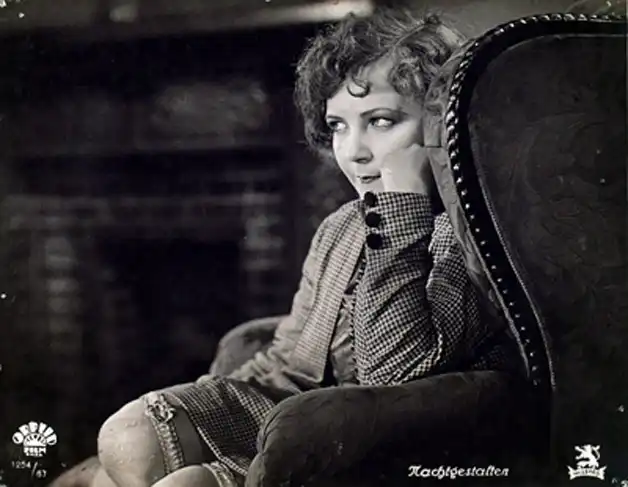
A definitive 6.5/10 rating for a film that redefined the boundaries of cult cinema. Nachtgestalten remains a cornerstone of transgressive art.
Okay, so Nachtgestalten (1929) is a bit of a strange one. If you're someone who really digs into silent cinema, you might find some interesting bits here.
Folks who enjoy character studies, especially those with a slightly melancholic, almost gothic feel, could get into it. But if you're looking for anything fast-paced or easily digestible, probably give this a miss. Most people today, honestly, will find it a bit of a slog. 😅
The premise itself is wild: a man, Bruno Lopinski's character, believes he's killed a rich guy. The film doesn't waste much time with the "did he or didn't he" part. It’s more about the guilt that just hangs over him. He’s wandering around, looking lost, really selling that heavy burden.
Then he meets Mabel Poulton's character, this Cockney girl. She takes him in. It’s such a simple, almost naive kindness, but it feels genuine.
She's got this earthy, almost mischievous energy that’s a real contrast to his brooding. Her scenes are where the film feels most alive, even when she’s just making tea or something small.
There’s this whole shift where he starts to become a composer. It feels a bit... sudden? One minute he's a guilt-ridden wanderer, the next he’s sitting at a piano.
The movie doesn't really show the process of how this happens. It just is. I guess that's how some silent films work, you just accept it.
The acting styles are a trip. Lopinski often has this wide-eyed stare, like he’s constantly on the verge of a panic attack. And then you have Kurt Gerron, who just oozes menace even in minor roles. He always did, didn't he?
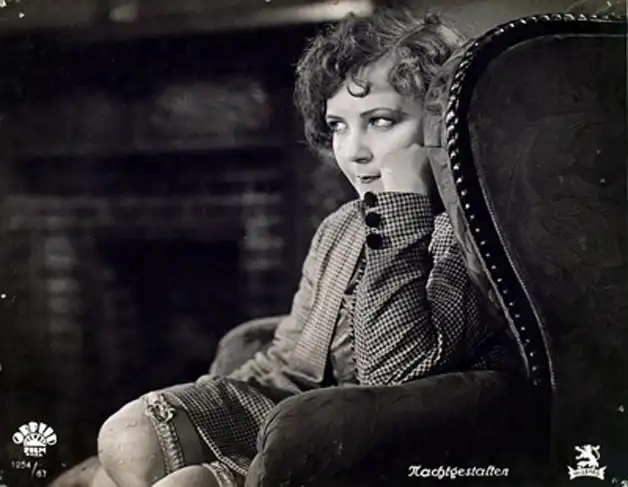
Some of the close-ups on faces really stick with you. There's one where the girl is just looking at him, a flicker of worry or maybe understanding, and it lasts just long enough to feel heavy. Not over-explained, just a quiet moment.
The pacing is definitely of its era. There are scenes that just... hold. Like, you see someone walk across a room, and it takes its sweet time.
It’s not necessarily bad, but it does ask for your patience. This isn't The Reporter fast-cut action, that’s for sure.
I found myself wondering about the little things. Like the details in the boarding house set where the Cockney girl lives. It feels lived-in, a bit cluttered. You can almost smell the stale tea and old newspapers.
There’s a small subplot about other characters, and sometimes it just kinda fades in and out. It doesn't always feel fully connected to the main story. Like a thread that someone forgot to tie off properly.
The film has a certain mood. A sort of dreary realism, then these bursts of melodrama. It’s not always a smooth transition between the two, which gives it a slightly jumbled, but unpredictable quality. You never quite know what emotional register it’s aiming for next.
That one scene, where he's supposed to be writing music, and they show abstract visuals? It’s a bold choice for 1929. A little rough around the edges, maybe, but you gotta appreciate the ambition. ✨
And then, the ending. It's not neat. It leaves you with this feeling of "well, that happened." Not exactly a clear resolution, more of a faded echo. It's a film that asks you to feel rather than understand everything.
Honestly, it’s a bit of a curiosity. Not a masterpiece, but it has these small, flickering moments that make you remember it. Like a dusty old photograph that suddenly catches the light just right. You wouldn't recommend it to everyone, but for a specific kind of movie watcher, there’s something here.
IMDb 7.1
1933
Community
Log in to comment.