Summary
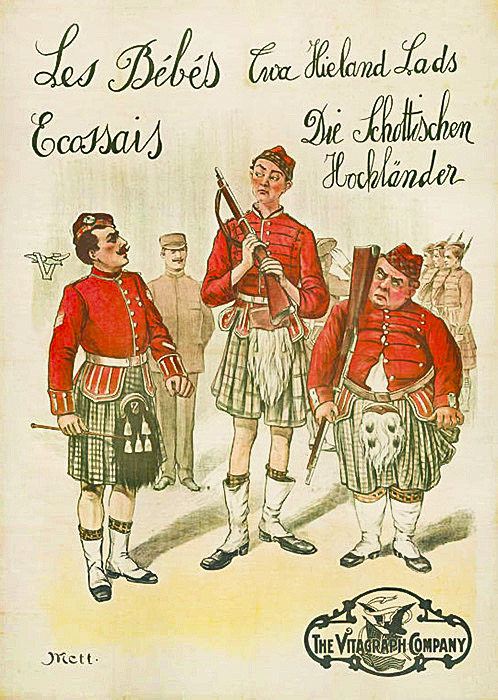
Two Highland innocents—kilted, dewy-eyed, pockets jangling with coins meant for shortbread—are lured by a drum’s tattoo to the electric labyrinth of New York. The metropolis, a carnivalesque fever dream of elevated rails and blinding marquees, swallows them whole: skyscrapers loom like glass bagpipes, taxis honk in Gaelic dissonance. A silk-tongued grifter greets them with the bonhomie of a kelpie, then feasts on their bankrolls in a single gargantuan supper, leaving Hugh purseless and Willie coinless. Paperless, trouserless, dignity fraying like heather in a gale, Hugh improvises capitalism itself: he commandeers a newsstand, barters his plaid trews for working capital, and becomes, for one delirious afternoon, a boulevardier of headlines. The stand’s apoplectic owner, a cop, and a roving carnival of rubberneckers pursue our kilt-less hero until two Caledonian expatriates—clad in ancestral tartan—pluck him from the melee and install him as steward in their whisky-scented enclave. Months later, Hugh pens a letter home announcing his return: no trousers, no shame, only sovereign self-possession. The village, imagining scandal, bolts its doors and dispatches a moral posse to the station. Yet when Hugh descends from the carriage, regal in pleated wool and swagger, the town’s collective gasp becomes a roar of adoration; prejudice unravels like a badly wound spool. Willie, witnessing the triumph, grasps that identity is stitched not by fabric but by the cut of one’s courage.
Synopsis
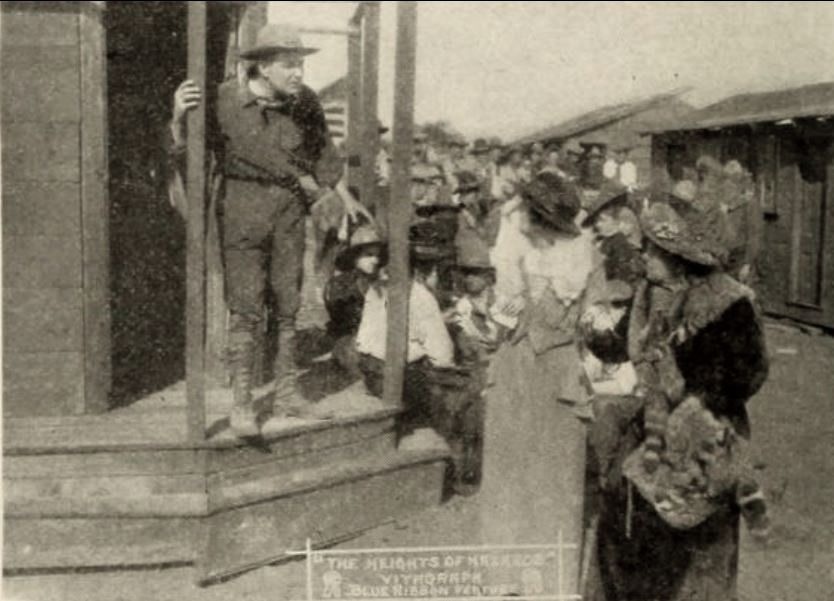
When the drummer tells Hugh and Willie at the country store of the wonders of New York, nothing will suit them but that they take a trip to the metropolis. Rigged out in large-patterned new clothes, they bid good-bye to the home town, bound for a visit to the startling city. Reaching New York, they are so amazed that they can hardly proceed along the street, so intent are they in taking in what they see. An affable stranger bumps into Hugh. The stranger treats himself to a large dinner at Hugh's expense, which takes all the money Hugh has and half of Willie's. The stranger also relieves Willie of his other half, but Willie does not notice this until later. The owner of a newspaper stand leaves the stand to chase some thieving boys. Willie discovers the loss of his money. An idea strikes Hugh. Hugh gets behind the stand, takes off his new trousers and hands them to Willie, who is to pawn them and buy a cheaper pair. Hugh decides to sell papers during his friend's absence. The proprietor comes back and orders Hugh to vacate. Hugh tries to explain, but a policeman is called. A merry crowd follows Hugh and the officer as they go down the street, Hugh holding part of the stand around him. Two Scotchmen in kilts, of the Caledonian Club, take Hugh from the officer and lead him to their club. They give him a job as assistant steward. Hugh decides to visit his old home town. He writes to Willie he is coming, also that he never wears trousers now and doesn't miss them. When the letter is received it causes great consternation. The villagers indignantly decide to prevent Hugh's arrival. A prevention committee goes to meet the train. All the women of the village are locked indoors. A cold welcome is turned into a general warm greeting when Hugh, resplendent in his kilts, steps into the station platform. He is the lion of the town. Willie now understands that trousers do not make the man.
Review Excerpt
"
A celluloid ceilidh of innocence pick-pocketed by the big city
Charles Brown’s 1914 one-reeler arrives like a moonlit strathspey played on a nickelodeon—at once jaunty and wistful, nostalgic for a homeland that never quite existed, yet razor-sharp in its lampoon of metropolitan rapacity. The film, brisk even by Mutoscope standards, compresses an immigrant epic into a brisk twelve minutes, trading ethnographic sincerity for carnival exaggeration. What emerges is less a narrative than a feverish ..."