DbcultAccessing Vault...
Cult Review
Senior Film Conservator
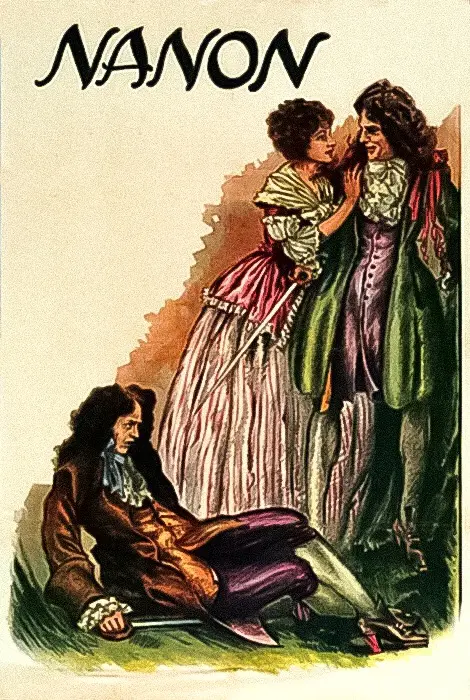
In the realm of silent cinema, few films have managed to captivate audiences with the same level of sophistication and nuance as 'Nanon'. This 1926 masterpiece, helmed by visionary writers Julius Urgiss and Max Jungk, presents a complex exploration of the human condition, replete with themes of morality, identity, and deception.
The eponymous protagonist, Nanon, is a fascinating study in contradictions. Portrayed by the talented Ágnes Eszterházy, Nanon navigates a treacherous world of intrigue, oscillating between virtue and vice with alarming frequency. Her existence becomes increasingly entwined with a cast of enigmatic characters, each with their own motivations and secrets.
One of the most striking aspects of 'Nanon' is its use of visual storytelling. The film's cinematography is breathtaking, with a keen attention to detail and composition. The camerawork is equally impressive, utilizing a range of techniques to create a sense of tension and unease.
The supporting cast is equally impressive, featuring a range of talented actors, including Jakob Tiedtke, Harry Liedtke, and Marga Rheis. Each performer brings depth and nuance to their respective roles, adding to the overall sense of complexity and intrigue.
In terms of themes, 'Nanon' explores a range of ideas that are both timeless and timely. The film's examination of morality and identity is particularly noteworthy, posing profound questions about the nature of human existence. These themes are expertly woven throughout the narrative, creating a sense of cohesion and purpose.
Upon reflection, it becomes clear that 'Nanon' shares some similarities with other films of the era, such as Crime and Punishment (1923) and Not Guilty (1921). Each of these films explores themes of morality and identity, albeit in different ways. However, 'Nanon' stands out for its unique blend of style and substance, presenting a truly singular viewing experience.
From a technical standpoint, 'Nanon' is a marvel of silent cinema. The film's editing is seamless, with a keen attention to pacing and rhythm. The score, while not present in the original version, would undoubtedly add to the overall sense of tension and unease.
In conclusion, 'Nanon' is a masterpiece of silent cinema that deserves to be rediscovered. Its complex exploration of human nature, morality, and identity makes it a thought-provoking and visually stunning film that will leave audiences spellbound. With its talented cast, impressive cinematography, and nuanced themes, 'Nanon' is a must-see for fans of classic cinema.
Further analysis reveals that 'Nanon' is not simply a film about morality and identity, but also a commentary on the societal norms of the time. The film's portrayal of a strong, independent female lead challenges traditional notions of femininity, while its exploration of themes such as deception and betrayal offers a scathing critique of bourgeois values.
The film's influence can be seen in a range of subsequent works, from The City of Silent Men to A White Wilderness. Each of these films owes a debt to 'Nanon', which helped pave the way for future generations of filmmakers.
Ultimately, 'Nanon' is a film that rewards close attention and multiple viewings. Its complex themes and nuanced characters make it a rich and rewarding cinematic experience, one that will continue to captivate audiences for years to come.

IMDb 6
1935
Community
Log in to comment.