DbcultAccessing Vault...
8.2/10
Senior Film Conservator
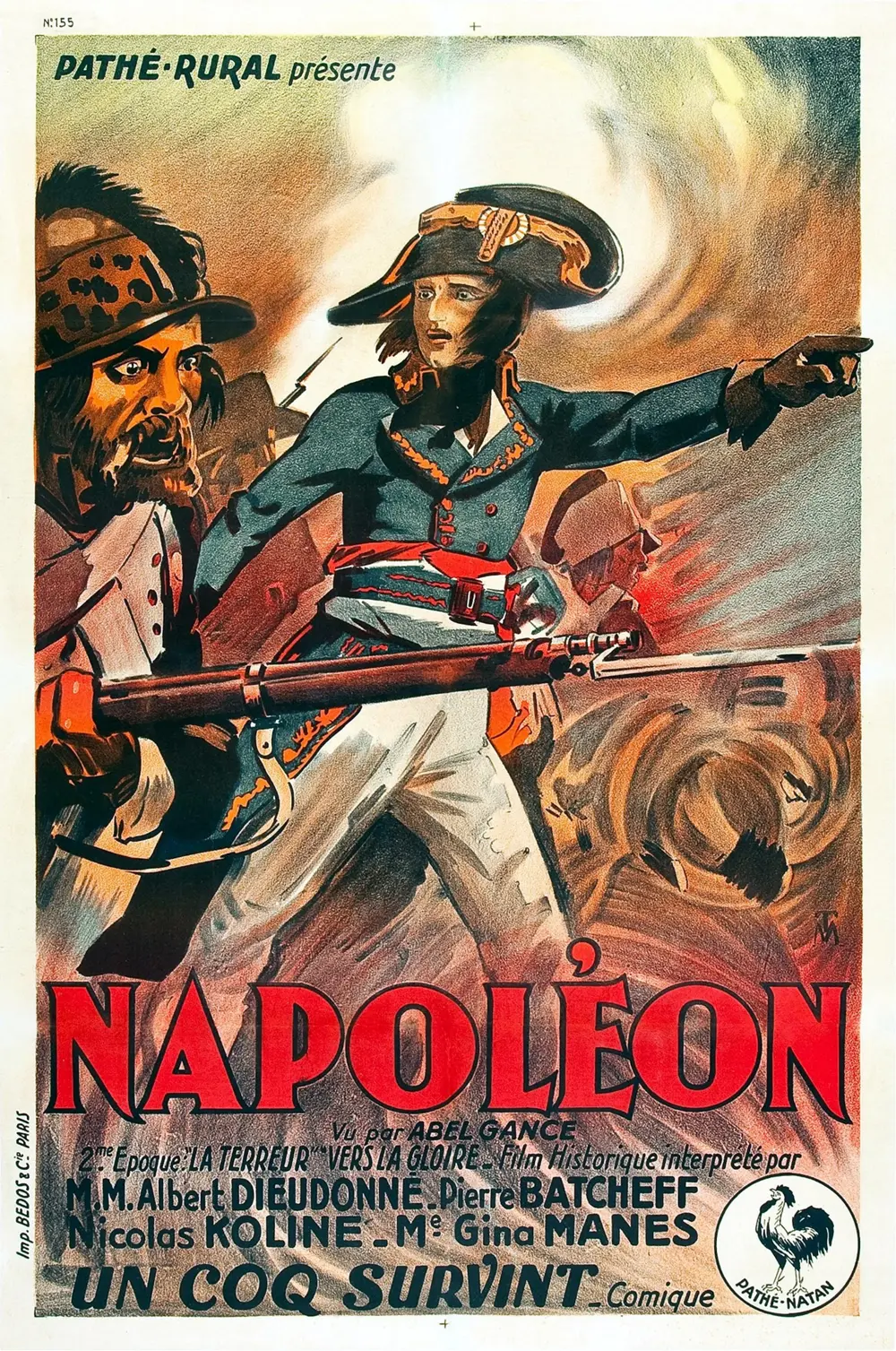
A definitive 8.2/10 rating for a film that redefined the boundaries of cult cinema. Napoleon remains a cornerstone of transgressive art.
Is Abel Gance’s Napoleon worth your five and a half hours? Short answer: Yes, but only if you view it as a sensory assault rather than a dry history lesson. This film is a maximalist explosion for those who crave the origins of visual storytelling, but it will likely alienate anyone seeking a concise, modern narrative pace.
This film is for the cinephile who wants to witness the moment the camera was finally set free from its tripod. It is NOT for the casual viewer who struggles with silent films or those who demand historical objectivity over myth-making. This is propaganda elevated to the level of high art.
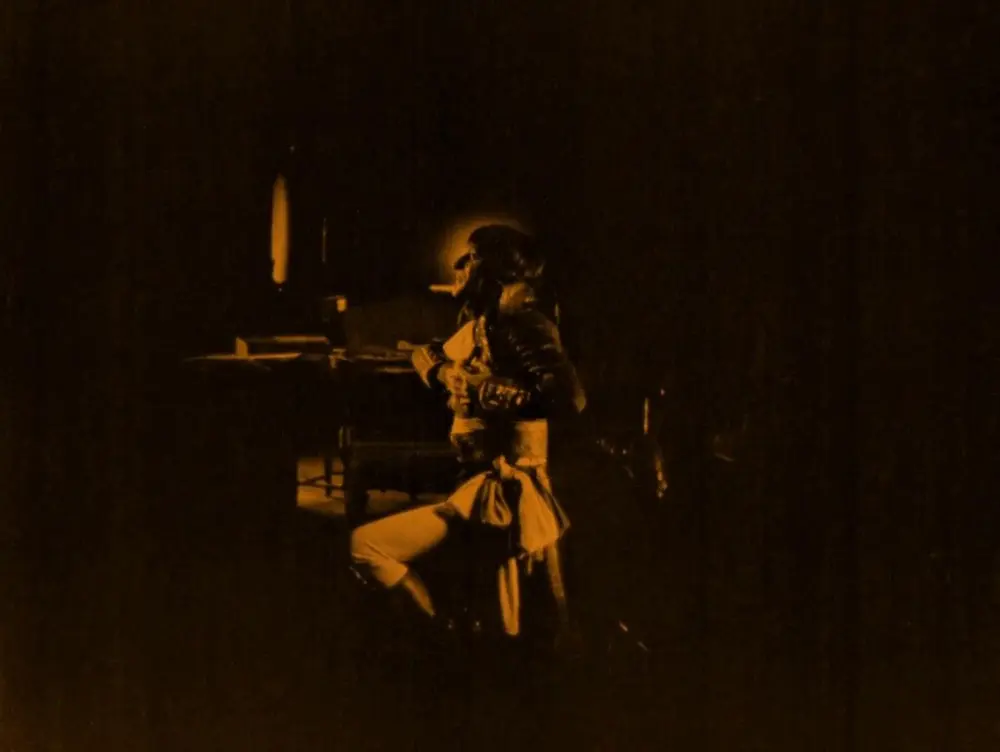
1) This film works because it treats the camera as a weapon, utilizing rapid-fire editing and handheld movement that predates the French New Wave by thirty years.
2) This film fails because its hero-worship of Bonaparte is so absolute that it occasionally loses the human element in favor of a monolithic, nationalist icon.
3) You should watch it if you want to see the absolute limit of what can be achieved with physical film and sheer directorial willpower.
To understand Napoleon, you have to understand that Abel Gance was a madman in the best possible sense. In 1927, while many directors were still figuring out how to frame a basic two-shot, Gance was strapping cameras to horses and throwing them into the middle of a snowball fight. This isn't just a movie; it’s an endurance test of creative ingenuity. Consider the opening sequence at the Brienne school. The snowball fight is edited with such rhythmic violence that it feels more like a modern war film than a silent drama. It makes contemporary efforts like His Own Law look static by comparison.
Gance didn't just want to tell you about Napoleon; he wanted you to feel the wind of the revolution. He used multiple exposures to layer images of the French flag over the faces of the weary soldiers, creating a psychological depth that was unheard of at the time. While films like The Sphinx relied on traditional theatrical blocking, Gance was busy inventing the future of the medium. He wasn't interested in the 'measure of a man' in a literal sense, as seen in The Measure of a Man, but rather in the measure of a myth.
The most famous aspect of Napoleon is, of course, the Polyvision finale. For the final twenty minutes, the screen expands to three times its width. This isn't just a gimmick like the early experiments in Daily Life in Egypt: Ancient and Modern. It is a panoramic immersion into the soul of the French army. Gance uses the three screens to show different perspectives simultaneously—a central wide shot flanked by two close-ups, or a continuous landscape that stretches across the entire theater. It is overwhelming. It is loud, even without sound.
The restoration by Kevin Brownlow has allowed us to see this in its full glory. When the screens turn red, white, and blue, the effect is visceral. It’s a level of ambition that makes even the high-stakes drama of A Fight for Millions feel small. Gance was playing with the very fabric of the audience's perception. He understood that to capture a figure as large as Napoleon, he needed a canvas that was literally too big for the room.
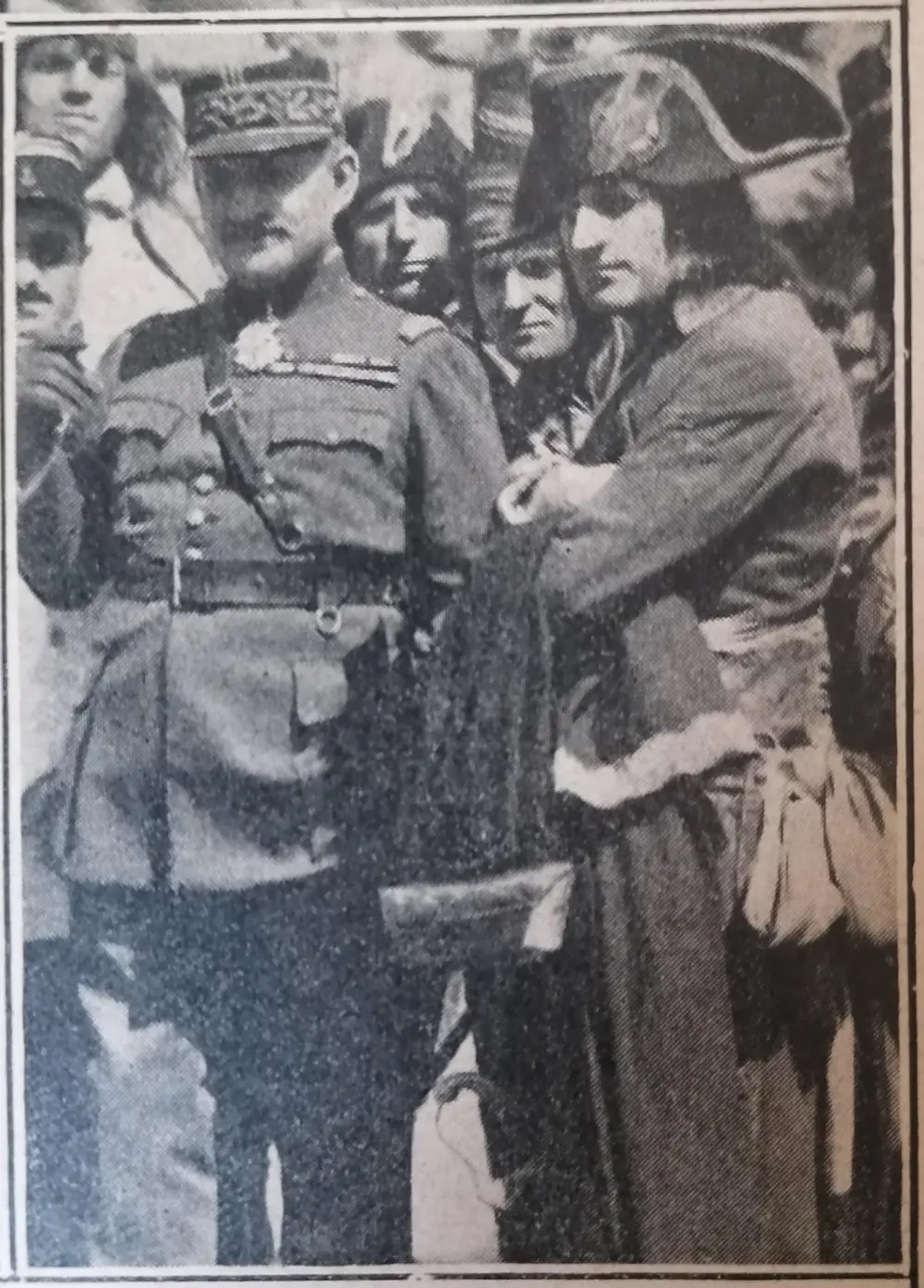
Albert Dieudonné does not play Napoleon; he haunts the role. His performance is one of stillness and piercing stares. He stands in stark contrast to the chaotic energy of the French Revolution around him. While the supporting cast often leans into the exaggerated pantomime typical of the era—similar to the performances in The Greatest Love—Dieudonné remains a cold, calculating center of gravity. His gaze is almost predatory.
Then there is Antonin Artaud as Marat. Artaud, the father of the 'Theatre of Cruelty,' brings a manic, sickly intensity to the screen that is genuinely unsettling. His scenes in the bathtub are a masterclass in physical discomfort. The contrast between Artaud’s raw, visceral energy and Dieudonné’s icy resolve creates a tension that keeps the middle section of the film from sagging. Even in a film filled with technical wizardry, these performances ground the spectacle in human obsession.
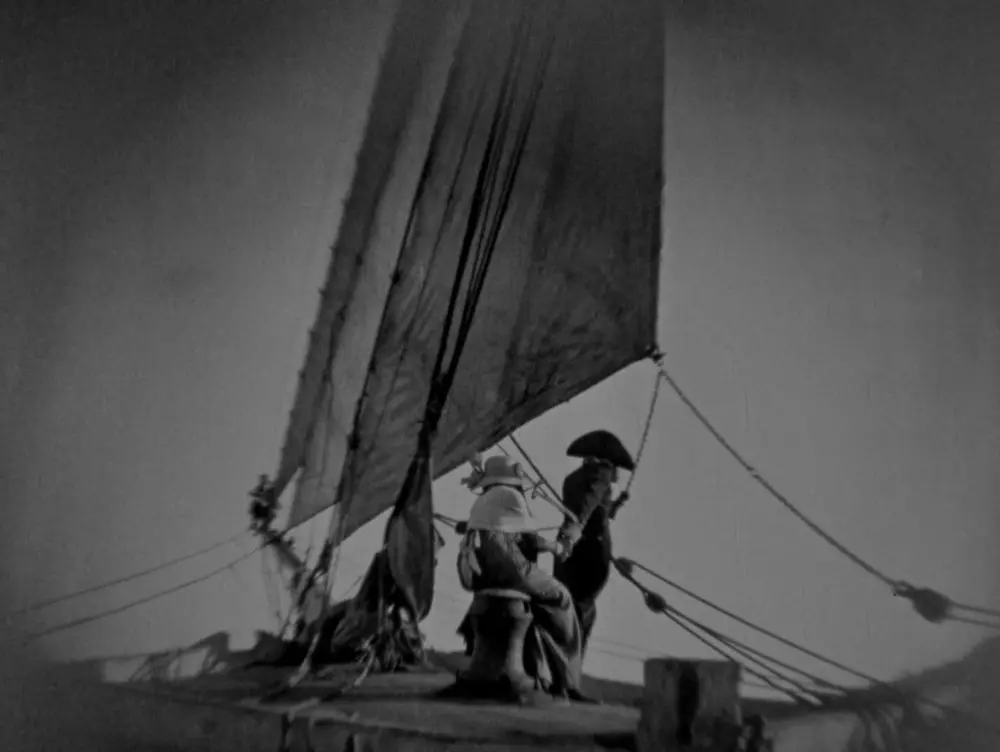
Yes. Napoleon (1927) is worth watching because it is the ultimate example of cinema as a revolutionary act. It is not just about the French Revolution; it is a revolution of the camera itself. If you are interested in how visual storytelling evolved, this is your Rosetta Stone. However, be prepared for its length. It is a grueling experience that demands your full attention. It is not background noise.
The pacing of Napoleon is its most controversial element. It oscillates between breathless action and dense political drama. For every moment of high-octane energy, there are twenty minutes of characters standing in rooms discussing the fate of France. This is where the film tests your patience. Unlike the more straightforward narrative of Hoarded Assets, Gance isn't interested in a clean plot. He wants to create an atmosphere of constant upheaval.
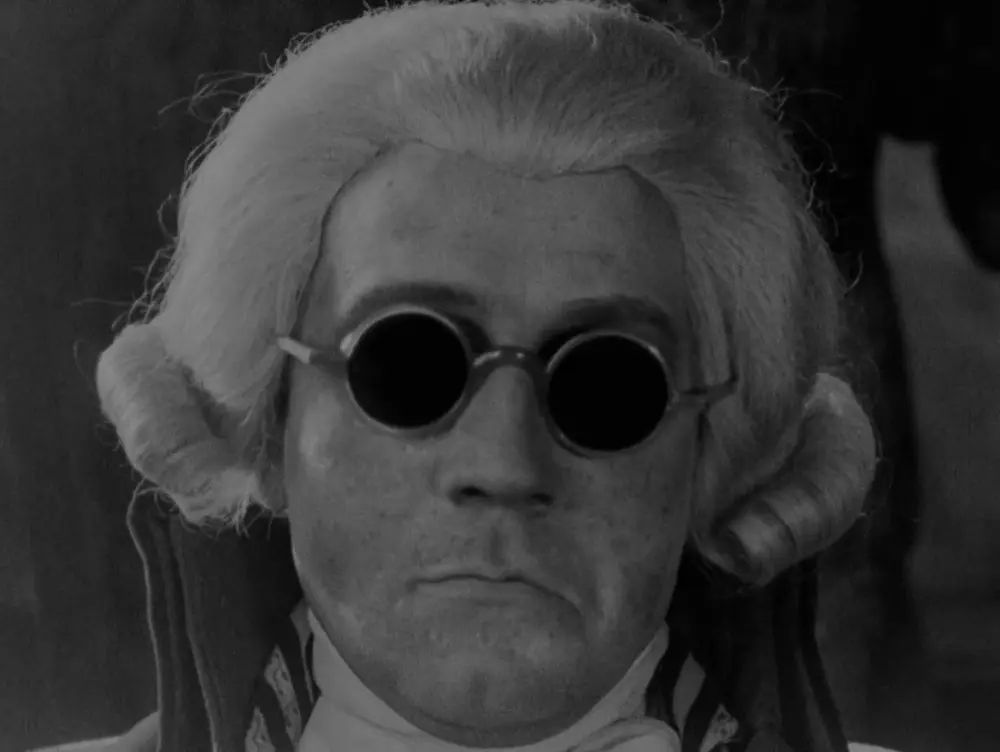
The tone is one of religious fervor. Gance views Napoleon as a secular god, and every frame is designed to reinforce that divinity. This can be exhausting. It lacks the nuance found in later historical epics. However, there is something undeniably captivating about the film’s conviction. It doesn't apologize for its excesses. It embraces them. It is a loud, proud, and deeply weird piece of art.
When compared to other films of the time like Loaded Dice or Crushed, the difference in ambition is staggering. Gance wasn't just making a movie to entertain; he was making a movie to change the world. Whether he succeeded is debatable, but the attempt itself is magnificent. Even the smaller moments, like Napoleon’s interactions with Josephine, are filmed with a stylized intensity that makes them feel like grand opera.
Napoleon (1927) is a flawed, overlong, and utterly brilliant piece of cinematic history. It is a film that refuses to be ignored. It is an assault on the senses and a testament to what can be achieved when a director ignores the rules of their era. It works. But it’s flawed. The hero-worship is thick, and the runtime is punishing. Yet, when those three screens open up at the end, all those complaints vanish. You aren't just watching a movie; you are watching the birth of the modern epic. It is essential, exhausting, and entirely unique. If you have any interest in the power of the moving image, you owe it to yourself to experience Gance's madness at least once. It is a monument that still stands tall.
IMDb —
1917
Community
Log in to comment.