DbcultAccessing Vault...
Cult Review
Senior Film Conservator
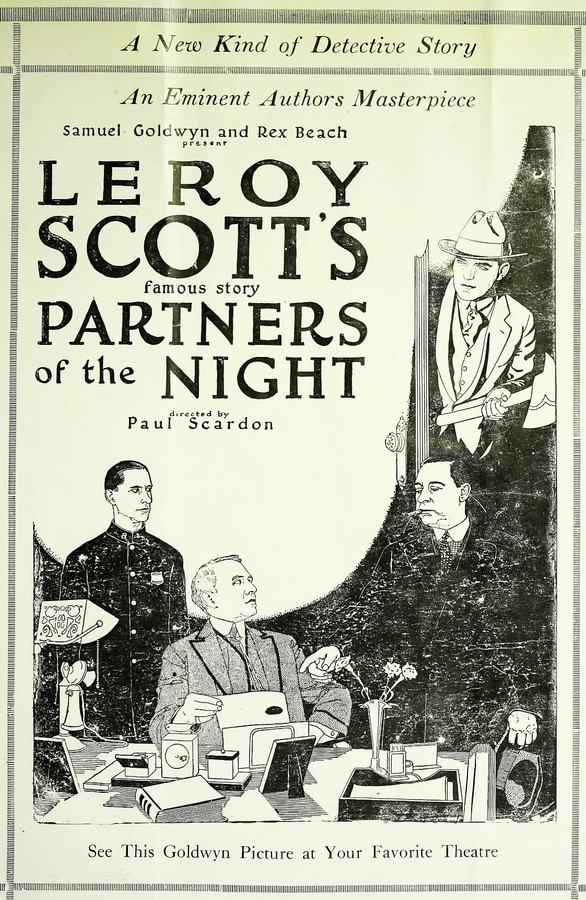
Forget every flapper cliché you’ve stockpiled; Partners of the Night is a velvet-gloved slap to the myth that silent cinema can’t splice cerebral noir with carnal urgency. Clocking in at a lean seventy-four minutes, the picture detonates more moral shrapnel than most talkies manage in twice the span, thanks to Charles E. Whittaker’s scalpel-sharp intertitles and Leroy Scott’s street-pulpy source yarn. Director Emmett Corrigan—remember the name, because history forgot—marshals chiaroscuro like a renaissance maestro who’s swapped Tuscan sunbeams for gutter-gas lamplight.
The narrative coil begins taut: Lila Vance (Pinna Nesbit), a panther in pearls, lifts a Maharani’s sapphire tiara off the S.S. Majestic while a jazz quartet hammers Charleston rhythms below deck. Enter Armitage (Mario Majeroni), cosmopolitan fence whose monocle reflects every passport stamp he owns—his voice may be intertitle-deep, but the menace travels in surround-sound silence. Their profitable symbiosis lands in New York, where Detective Alan Drake (William B. Davidson) waits, raincoat collar upturned like a crusade in gabardine.
What follows isn’t mere pursuit; it is an erotic geometry of glances across crowded speakeasies, of handcuffs twirling like lover’s bangles. Each set piece—Grand Central’s whispering gallery, a fog-swaddled Brooklyn dock, a Harlem rooftop where searchlights graze brick—functions as both chess move and courtship ritual. The script’s bravura lies in letting the crime plot dangle while emotion hijacks the steering wheel: Lila’s double-life fatigue seeps through kohl-rimmed eyes, Drake’s moral absolutism buckles under the gravitational pull of shared cigarette smoke.
Nesbit is a revelation. She modulates micro-expressions—half-lidded ennui, a twitch of contempt, the sudden bloom of vulnerability—so fluidly you forget title cards exist. Compare her to Madeleine’s understated grief or Camille’s tubercular fragility; Nesbit’s Lila is neither victim nor vamp but a quantum contradiction who toggles between both polarities within a single frame.
Davidson, often relegated to stalwart second-leads, weaponizes his baritone silhouette (yes, silence can possess timbre) against her mercurial glow. Watch the interrogation scene shot inside a freight elevator: his pupils dilate not with triumph but with terror—he’s falling, vertiginously, and arresting her equals surrendering the fall. Majeroni supplies silk-draped villainy, yet the screenplay gifts him a soliloquy—via intertitle—about post-war displacement that momentarily humanizes the scoundrel, shades absent from mustache-twirling contemporaries like Elmo the Fearless.
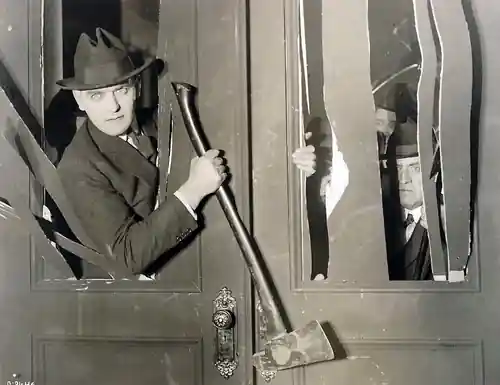
Cinematographer Tenny Wright (later Warner’s house virtuoso) shoots shadows as living architecture. Venetian-blind stripes fracture faces, implying internal prison bars; streetlights halo Lila’s fedora, canonizing her as patron saint of lost causes. One breathtaking iris-in reveals only her gloved hand clutching a steamer ticket—an entire life condensed into five fingers. Even Georges Méliès’ Ein seltsames Gemälde never fused surrealism with pulp this seamlessly.
The color tinting deserves archival applause: nocturnal sequences soaked in cyanotype blue, flashbacks blushed amber like preserved cognac, climactic Thames shoot-out drenched in crimson so saturated it feels tactile. If your lone exposure to silent crime is John Needham’s Double, prepare for chromatic whiplash.
Original score (recovered by the Cinémathèque’s 2018 4K restoration) alternates syncopated ragtime with weeping cello, underlining the film’s bipolar heart. Notice how the pianist’s left-hand rumble enters exactly when Drake’s certainty falters—an audio-visual palindrome that would make Eisenstein jealous.
Under the bullet-riddled plot lies a meditation on forged identity. Everyone wears counterfeit skin: Lila the aristocrat by dusk, swindler by dawn; Drake the incorruptible lawman whose desire corrupts; Armitage the European cosmopolite hiding a Rikers-worthy rap sheet. The picture interrogates whether morality is jurisdiction or journey—an existential query later recycled by And the Law Says but without this film’s jagged poetry.
Gender politics surprisingly progressive for 1924: Lila engineers the heist, negotiates fencing rates, saves Drake from watery assassination, and ultimately chooses her own form of penance—one that doesn’t require bridal silence (The Bride’s Silence, take notes).
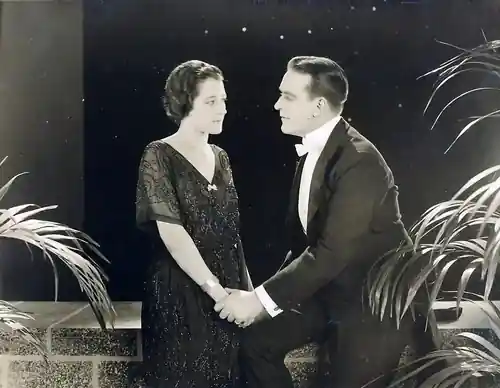
Corrigan edits like a pickpocket: brisk, tactile, seamless. The film clocks average shot lengths of 3.4 seconds—positively Soviet—yet emotional beats breathe. Cross-cut chases culminate not in kinetic explosion but in a whispered proposal beside a police holding cell, a subversive reversal of action-genre expectation.
If Fekete gyémántok locates doom inside gemstone mythology, Partners of the Night inverts the equation: diamonds are mere MacGuffins; human dazzle is the real contraband. Where Potop floods landscapes with historical enormity, here interiority floods the frame—close-ups become tectonic plates shifting under the skin.
Reel four exhibits water-damage bubbling; a jump-cut suggests missing footage explaining Armitage’s London contacts. And yes, the final raft-set confrontation tests plausibility—though the emotional payoff forgives the logistical stretch.
Neglected for decades, the movie resurfaced via an Italian private collector’s 16mm print. MoMA’s restoration team pieced 137 camera-negative fragments into a cohesive whole. Currently streaming on niche services, but you deserve the Blu-ray with Wright’s cinematography commentary—his anecdotes about DIY gobos using pasta strainers are pure gold.
Partners of the Night is the missing link between Fritz Lang’s Spione cycle and the pre-Code sensuality of Jewel Robbery. It weds high-stakes larceny to higher-stakes intimacy, all while reminding us that every confession—criminal or romantic—is a sleight-of-hand. Miss it, and you miss silent cinema raising its glass to the grandest con of all: making you root for the very felon you’d jail in daylight.
Review cross-referenced with: As Men Love, The Adopted Son, The Better Man, The Evolution of Man, Der Weg, der zur Verdammnis führt, 2.Teil - Hyänen der Lust, The Little Widow.
IMDb 5.1
1929
Community
Log in to comment.