DbcultAccessing Vault...
Cult Review
Senior Film Conservator
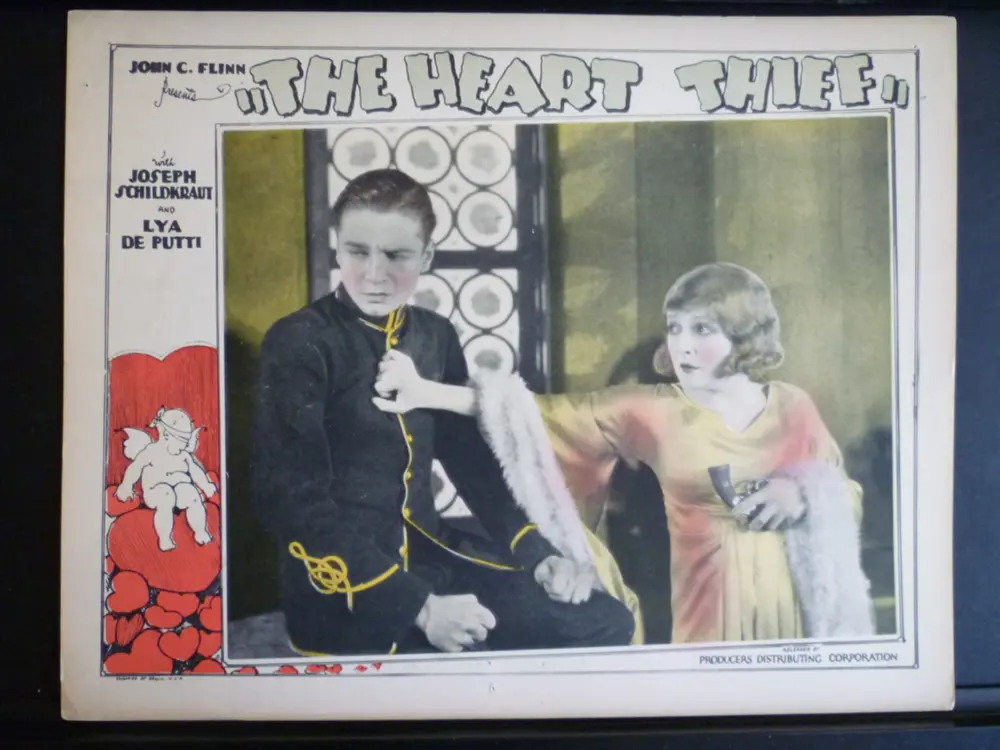
Is The Heart Thief worth watching today? Short answer: yes, but primarily for those with a deep appreciation for silent cinema's unique charms and a tolerance for its often-unrestrained melodramatic flourishes. This is a film best suited for silent film scholars, enthusiasts of intricate character dramas, and anyone curious about the foundational storytelling techniques that defined early Hollywood and European cinema.
It is decidedly not for viewers seeking modern pacing, minimalist narratives, or action-driven plots. If you struggle with the visual language of silent films or prefer clear-cut moralities over complex character arcs, The Heart Thief might prove a challenging, rather than rewarding, experience.
Early cinematic works often present a fascinating dichotomy: moments of startling brilliance alongside elements that betray their nascent stage. The Heart Thief is no exception, a film that, despite its age, still manages to resonate with a particular emotional force.
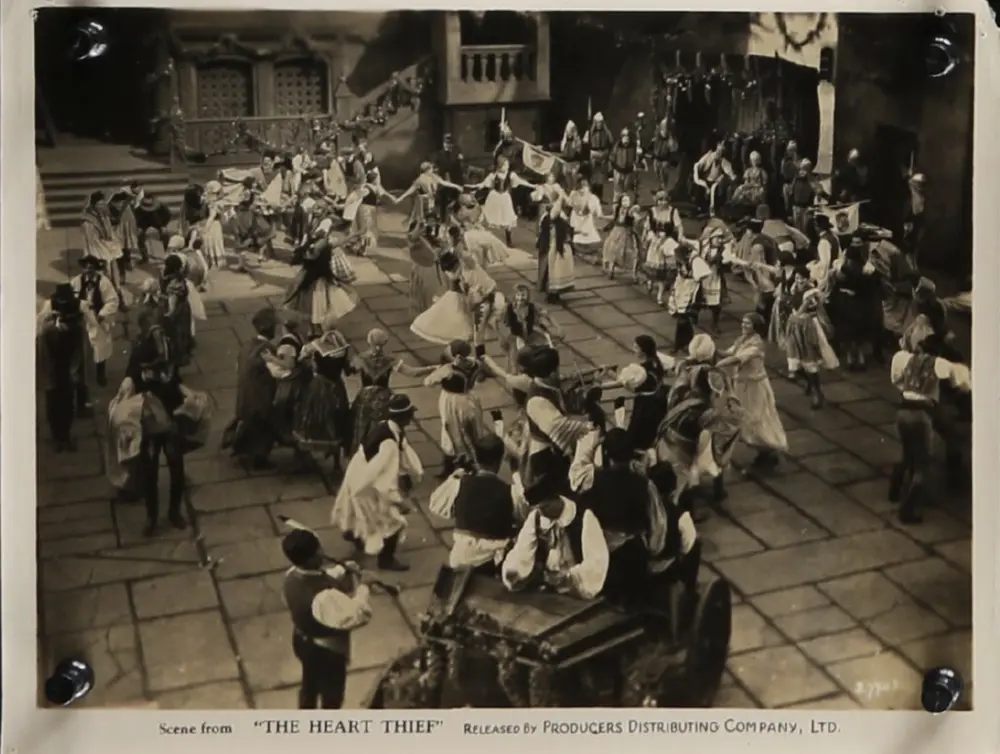
This film works because: Its central performances are genuinely captivating, particularly Lya De Putti's nuanced portrayal of Anna, which transcends the limitations of silent acting to convey profound emotional states. The intricate, almost labyrinthine plot, while occasionally bordering on the convoluted, offers a compelling exploration of human failings, societal pressures, and the arduous, often painful, possibility of moral redemption.
This film fails because: Its pacing can be undeniably uneven, with certain expository sequences feeling protracted, diminishing the immediate impact of key dramatic turns. Furthermore, some character motivations, most notably the precise psychological underpinnings of Count Franz’s actions, remain frustratingly opaque, leaving the audience to fill in crucial narrative gaps. The thematic weight, at times, buckles under the sheer volume of melodrama, threatening to turn genuine pathos into theatrical excess.
You should watch it if: You appreciate the artistry inherent in silent cinema, finding beauty in its unique visual storytelling and the expressive power of its actors. It's a must-see for those who enjoy character-driven dramas with high stakes, intricate moral quandaries, and are willing to engage with a story that prioritizes emotional spectacle and grand romantic gestures over modern narrative efficiency and subtle character development.
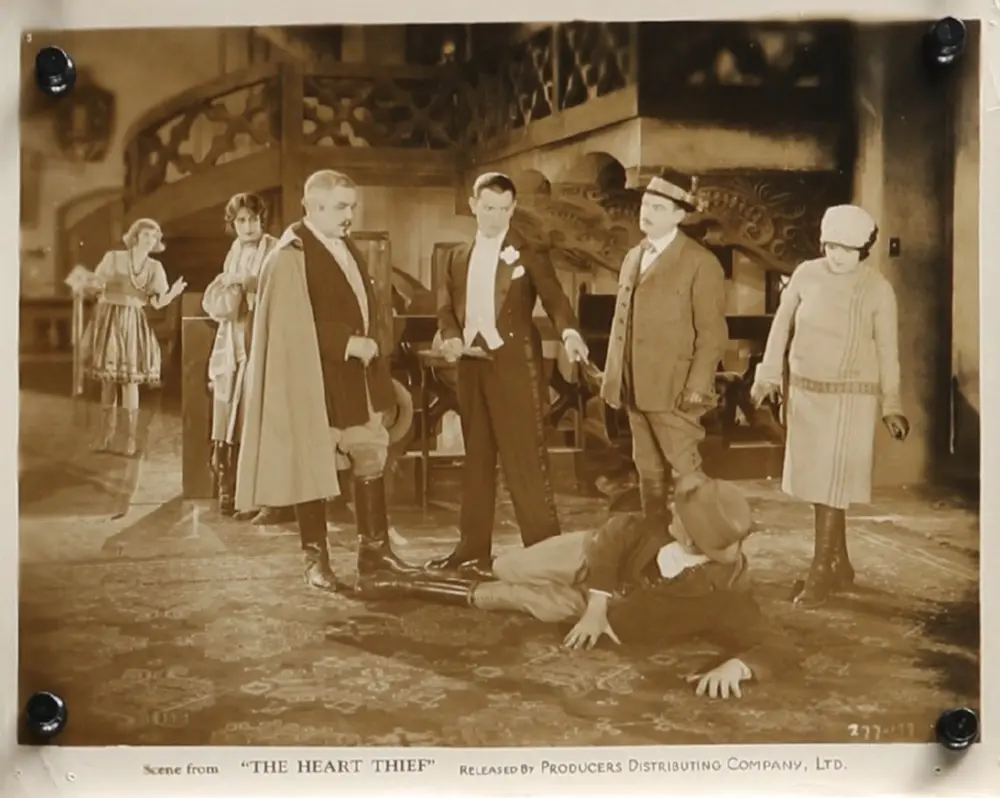
The Heart Thief unfurls a narrative that is, at its core, a classic melodrama steeped in the tropes of unrequited love, class distinctions, and treacherous familial ambition. The story begins with Paul Kurt, a figure whose post-war disillusionment manifests as a life of reckless abandon in Budapest. This initial characterization immediately grounds the film in a recognizable human struggle, even if the specifics are exaggerated for dramatic effect. His swift, intense connection with Anna Galambos feels both fated and doomed from the outset, a common romantic conceit of the era.
Paul's decision to abandon Anna, driven by a self-sacrificing, almost self-flagellating belief in his own unworthiness, is a pivotal moment that defines the emotional trajectory of the entire film. This act of perceived nobility, while perhaps frustrating to a modern audience, was a potent dramatic device in the 1920s, emphasizing the tragic consequences of internal conflict. It’s a moment that could easily be dismissed as contrived, yet in the hands of the writers — Sonya Levien, Leslie Mason, Gladys Unger, and Lajos Biró — it serves as the catalyst for all subsequent complications.
Anna's subsequent retreat to the castle of Count Franz, a decision born of heartbreak and resignation, sets the stage for the film’s more overtly villainous elements. Count Franz, portrayed as a 'despotic bachelor,' embodies a form of rigid, almost feudal authority, a stark contrast to Paul's bohemian recklessness. Her acceptance of his proposal, devoid of genuine affection, paints a poignant picture of a woman trapped by circumstance and emotional exhaustion. This forced engagement is a classic setup, designed to heighten the stakes for the inevitable reunion of the estranged lovers.
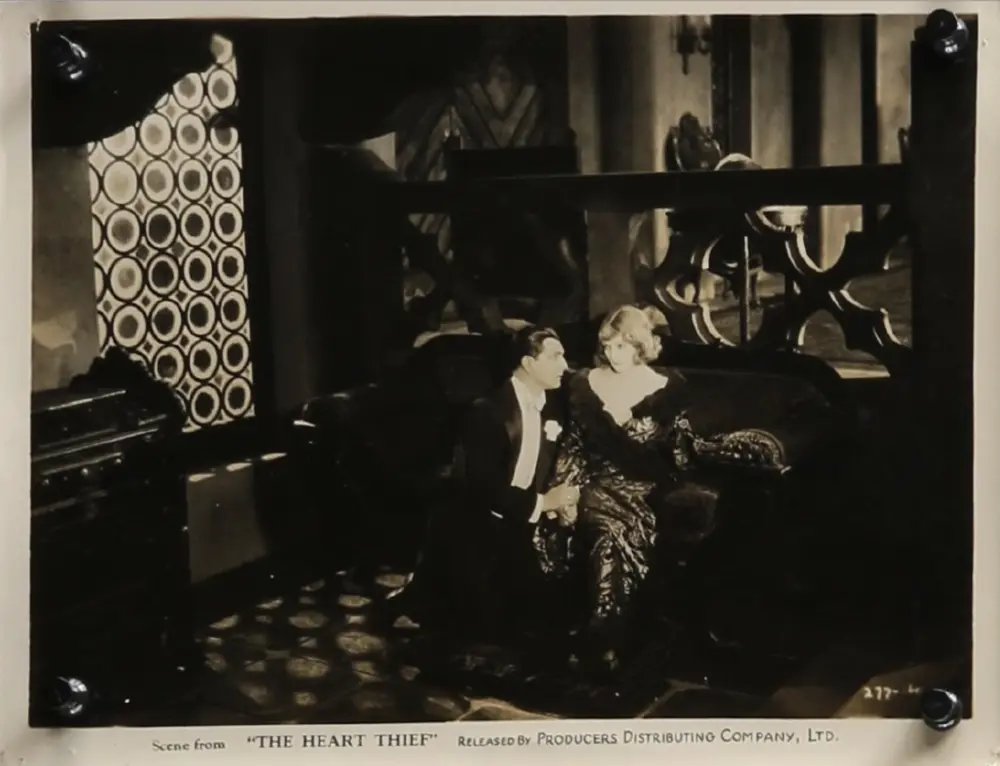
The introduction of Franz's brothers, Lazlos and Michael, shifts the narrative into a realm of outright villainy and Machiavellian plotting. Their covetousness of the Count's estate provides the external conflict necessary to propel the story forward, transforming a personal tragedy into a broader battle against avarice and manipulation. The decision to hire Paul to compromise Anna is a delicious twist of dramatic irony, ensuring that all central characters are inextricably linked by fate and deception. It’s a plot device that, while audacious, works effectively within the melodramatic framework.
Paul’s discovery that Anna is the target of his employers’ nefarious scheme is the film’s true turning point, signaling his moral awakening and commitment to redemption. This moment, often telegraphed through intense close-ups and dramatic gestures in silent films, is where the 'heart thief' truly earns his title, not by stealing hearts in a frivolous sense, but by fighting to reclaim what was lost. The eventual exposure of the plot and Anna’s reunion with Paul, sanctioned by a surprisingly understanding Franz, delivers the satisfying, if somewhat predictable, resolution that audiences of the era craved. It is a narrative that, for all its grand gestures, ultimately champions sincerity and true love over societal expectations and familial greed.
In silent cinema, the burden of conveying emotion and character falls almost entirely on the actors' faces and bodies. The cast of The Heart Thief, particularly its leads, rises to this challenge with varying degrees of success, delivering performances that range from subtly expressive to overtly theatrical, all within the accepted stylistic conventions of the time.
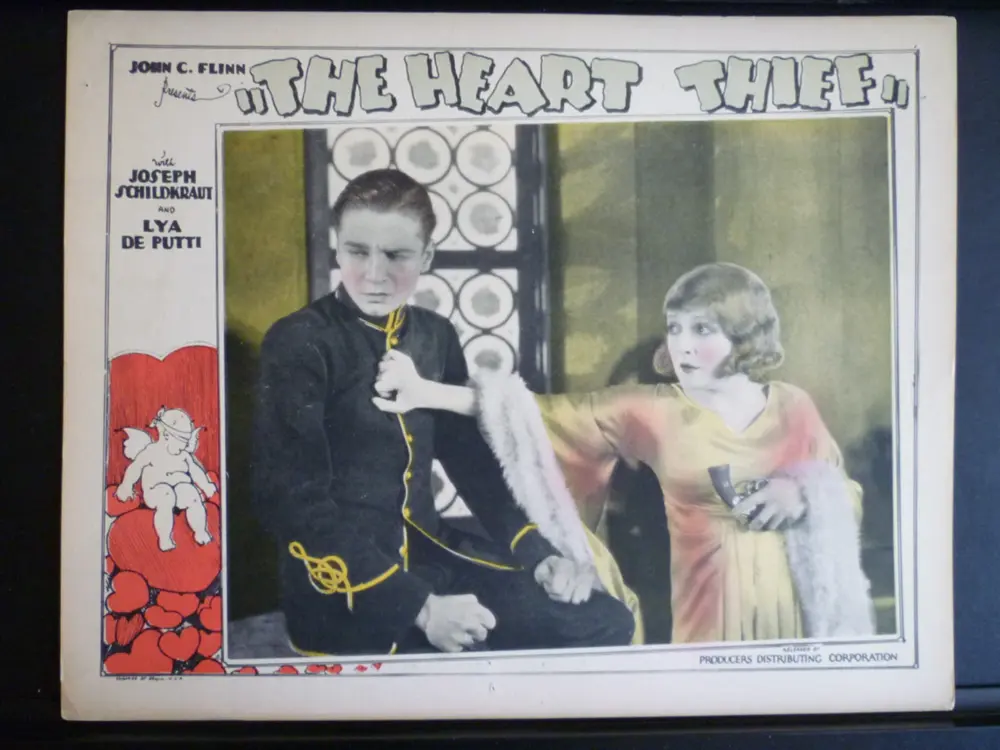
Lya De Putti as Anna Galambos is undeniably the film's beating heart. De Putti, a Hungarian-born actress with a background in German Expressionist cinema (she also starred in Monika Vogelsang), brings a remarkable intensity and vulnerability to her role. Her ability to convey profound heartbreak, resignation, and eventual renewed hope without uttering a single word is a masterclass in silent acting. Consider the scene where Anna accepts Count Franz's proposal; De Putti’s eyes, often framed in a tight close-up, communicate a world of quiet despair and duty, a stark contrast to the joyous expectations of a bride-to-be. She doesn't just act; she emotes with every fiber of her being, making Anna's plight genuinely moving. Her performance here arguably stands alongside the great silent tragediennes like Lillian Gish, imbuing Anna with a tragic dignity that elevates the melodrama.
Joseph Schildkraut, portraying Paul Kurt, delivers a performance marked by a compelling transformation. Schildkraut, who would later transition successfully to sound films, effectively captures Paul's initial dissolute nature through his restless energy and sardonic expressions. However, it is his journey towards redemption that truly shines. The moment Paul discovers Anna is the intended victim of the conspiracy is handled with striking clarity; his facial contortions and sudden, desperate movements convey a man suddenly confronted by the profound consequences of his past actions and the horror of his present complicity. It’s a powerful portrayal of a man grappling with his conscience, making his eventual fight for Anna feel earned rather than simply convenient.
The supporting cast, while perhaps less nuanced, fulfills their roles admirably within the film's melodramatic structure. The actor depicting Count Franz (likely Robert Edeson or Charles K. Gerrard, given the period) embodies the 'despotic bachelor' with a stern, imposing presence. His initial portrayal is almost archetypal in its coldness, serving as a formidable obstacle to true love. The brothers, Lazlos and Michael, are painted with broad strokes of villainy, their conniving nature evident in their exaggerated gestures and sinister glances. While they might lack the psychological depth of the leads, their theatricality is perfectly suited to the film's heightened tone, ensuring that the audience has clear antagonists to root against.
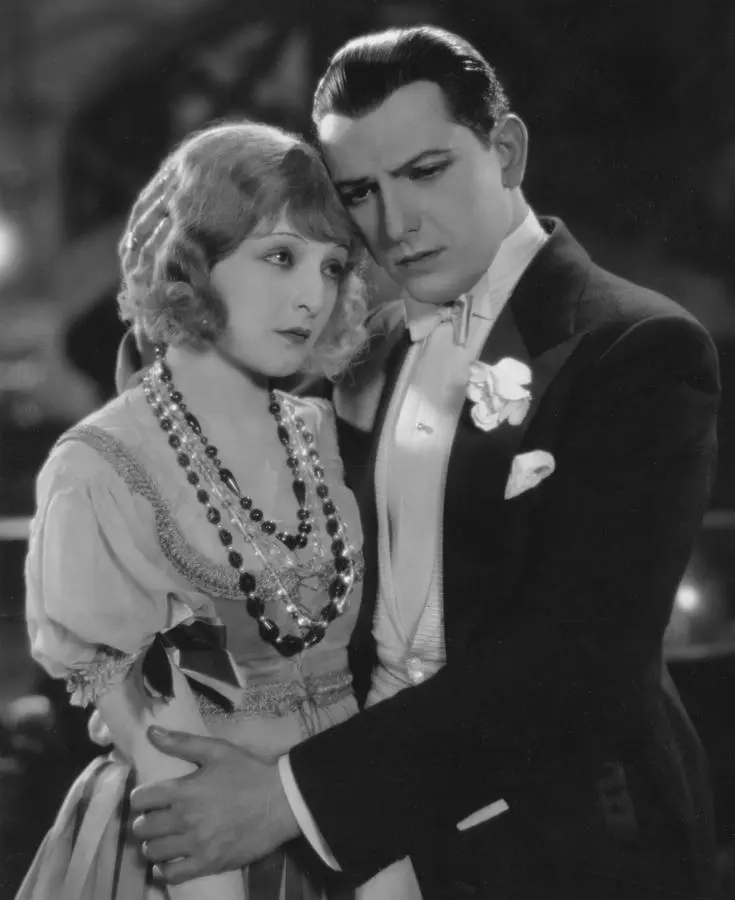
The direction of The Heart Thief, while not credited in the provided details, deftly navigates the conventions of early 20th-century filmmaking, utilizing visual storytelling to its fullest extent. The film’s pacing is a fascinating study in silent era rhythm, often allowing moments of emotional intensity to unfold slowly, letting the audience absorb the actors’ expressions and gestures. There are sequences, particularly in the initial setup of Paul’s debauchery, that feel a bit drawn out, but these are often balanced by rapid cuts during moments of high drama or intrigue, such as the brothers’ conspiratorial meetings.
The tone is consistently melodramatic, a stylistic choice that is both its strength and, for some modern viewers, its primary challenge. This tone is achieved not just through the actors' performances but also through the cinematography. The use of dramatic lighting, often high-contrast, creates stark shadows and highlights, emphasizing the moral ambiguities and emotional turmoil of the characters. While not full-blown German Expressionism like some of Lya De Putti's other works, there are definite echoes of its influence in the mood and visual texture of certain scenes, particularly within the imposing confines of Count Franz's castle.
One particularly effective visual choice is the frequent use of close-ups on the actors’ faces, especially De Putti’s. These shots serve as windows into the characters' souls, allowing the subtle nuances of their expressions to convey complex emotions that would otherwise require dialogue. For instance, a shot of Anna's hand trembling as she signs her marriage contract speaks volumes about her inner conflict, a powerful example of visual storytelling surpassing the need for intertitles. Conversely, wide shots are often employed to establish the grandeur of the settings, from the bustling streets of Budapest to the imposing architecture of the castle, grounding the personal drama within a larger, more imposing world.
The film also makes judicious use of intertitles, not just for dialogue but also for exposition and to guide the audience’s emotional response. While some silent films can feel overly reliant on title cards, The Heart Thief generally strikes a good balance, letting the visuals carry the primary weight of the narrative. This balance is crucial for maintaining audience engagement, allowing the story to flow without constant interruptions. It works. But it’s flawed. The overall direction creates an immersive, if occasionally ponderous, experience that effectively transports the viewer to a bygone era of cinematic storytelling.
Absolutely, but with specific expectations. The Heart Thief is a valuable historical artifact and a compelling piece of early dramatic filmmaking. It offers a unique window into the narrative conventions and performance styles that captivated audiences a century ago. Its strengths lie in its emotional depth and the captivating central performances.
For those who appreciate the artistry of silent cinema, this film provides a rich viewing experience. It allows for a deeper understanding of how stories were told before sound, relying entirely on visual cues, music, and the raw power of human expression. It’s a testament to the enduring power of melodrama when executed with conviction.
Why should you watch The Heart Thief? It's a masterclass in silent-era acting, especially Lya De Putti's performance. The plot, while intricate, builds genuine emotional stakes. It's a valuable historical document showcasing early cinematic storytelling. It's best for film students and silent movie buffs. Its emotional core still resonates, despite its age.
The Heart Thief is more than a mere historical curiosity; it is a potent, if imperfect, piece of silent cinema that still possesses the power to move. Its narrative, while adhering to classic melodramatic structures, manages to explore themes of redemption and the enduring power of love with conviction. The film’s greatest triumph lies in its central performances, particularly Lya De Putti, who crafts a character of profound pathos and resilience, making Anna’s journey genuinely compelling. It’s difficult to argue that it’s a universally accessible film today, but its value for those willing to engage with its unique language is undeniable.
While its pacing can occasionally test patience and some character decisions might feel arbitrary without deeper context, these are minor quibbles in the face of its overall emotional impact. This is not a film that will redefine your understanding of cinema, but it will certainly deepen your appreciation for the foundational artistry that preceded the age of sound. It's a reminder that even in its earliest forms, cinema had the capacity to tell grand, sweeping stories of the human heart, capable of both thrilling and touching its audience. Seek it out if you dare to delve into the rich, expressive world of silent film; you might just find your own heart stolen.
IMDb 6.8
1935
Community
Log in to comment.