Summary
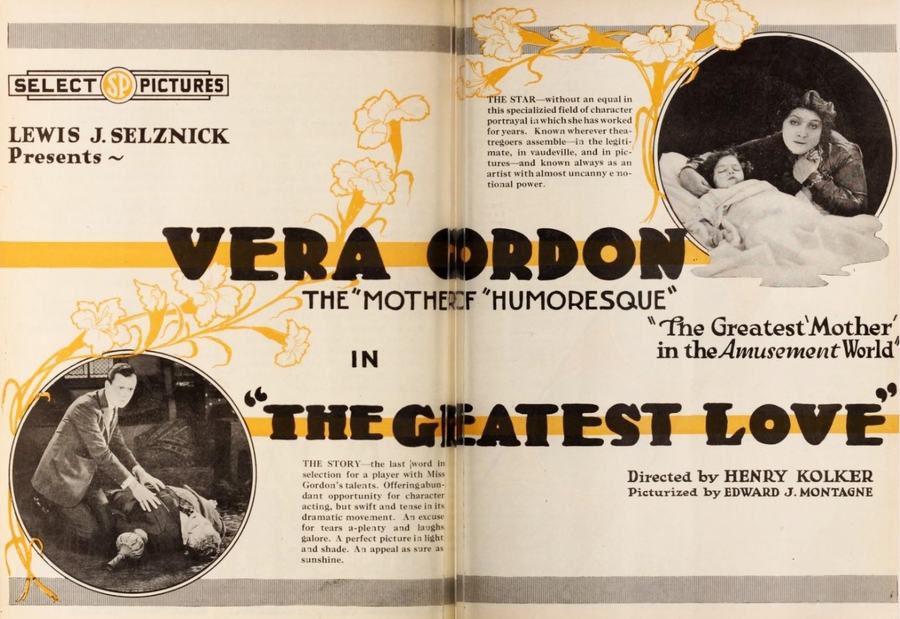
Ellis Island’s sodium-lit dawn of 1905 swallows the Lantinis whole: steamer-trunk Catholics clutching paper rosaries and a corona of sea-salt dreams. In the clangorous intestines of lower Manhattan, little Lorenzo—coal-eyed, canvas-shoed—vaults cobblestones like a mythic goat-kid, rescuing golden-haired Dorothy Manton from a runaway brewer’s wagon; the act ricochets upward, levering the entire clan from pushcart alleys into the marble foyer of American reinvention. Fifteen compress into a heartbeat: the boy becomes a draftsman of cloud-piercing limestone, his blueprints arias of ambition; Dorothy blooms into a Jazz-Age sylph in lamé; sister Francesca pirouettes through limelight choruses, hungering for a spotlight larger than tenement gas-flame. Their benefactor’s ballroom—gilt like a Byzantine reliquary—hosts Richard Sewall, theater czar with a panther’s languid cruelty, whose whispered promises lace Francesca’s corset with opium dread. One velvet dusk she visits his tower office, ostensibly to inspect spangled costumes; he peels her resistance like stage-curtain brocade, leaving her body a bruised libretto of shame. Lorenzo storms the magnate’s sanctum, fists clenched righteous, only to discover Sewall’s blood cooling on Art-Deco chrome—an ebony-handled letter-knife jutting like an exclamation mark. Police burst, cuffs snap, headlines scream parricide; the architect’s ascent implodes into Sing-Sing granite. Yet Rosa Lantini—matriarch forged in Sicilian sulfur—treads a labyrinth of speakeasies, docks, and chorus-girl flophouses, trading rosary beads for testimony, until providence seats her opposite Sewall’s estranged wife, a woman whose face is a map of every unspoken laceration. A confession spills: she planted the blade to silence a sadist. Bars yawn open, Lorenzo emerges squinting at a sun that tastes of copper and absolution; the family, fractured yet luminous, reassembles on an East River pier while skywriting biplanes scar the blue with cottony vows of second chances.
Synopsis
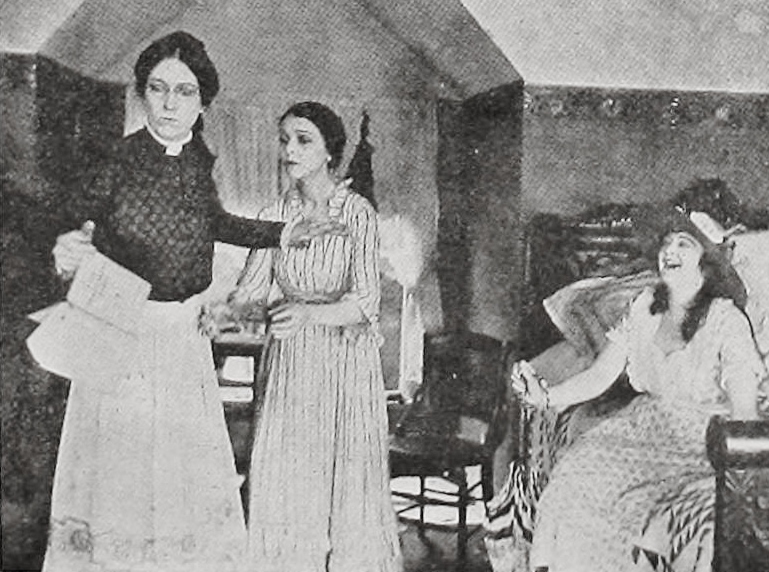
In 1905, the Lantinis and their children, Lorenzo and Francesca, emigrate to New York. Though poor, the family's situation begins to improve when Mr. Manton, a wealthy contractor, offers to provide Lorenzo with the opportunity for advancement, in gratitude for his having saved his daughter Dorothy in an accident. Fifteen years later, the Lantinis have advanced: Lorenzo is a successful architect, in love with Dorothy. At the Manton's party, Lorenzo and Francesca meet Richard Sewall, a theatrical magnate, for whom Lorenzo has designed a building. When Francesca meets with Sewall regarding some costumes, he seduces her. Lorenzo learns what has happened and goes to Sewall's office, only to find him dead, just as the police arrive. He is convicted of the crime, but his mother never doubts his innocence and seeks to prove it. By coincidence, she meets Sewall's wife, who confesses that she murdered Sewall because of his cruelty. Lorenzo is free, and the family reunited.
Review Excerpt
"
If celluloid could exude oregano and coal smoke, The Greatest Love would smolder like a Lower East Side hearth in winter. Released at the hinge of 1920, when Prohibition’s iron mask was freshly riveted across the nation’s face, the picture arrives as both hymnal and harangue—an immigrant epic stitched with the frayed silk of American self-invention.
If The ABC of Love flirted with Cupid’s arithmetic and A Woman’s Fight brandished suffrage-era grit, this film distills something more alchemical..."