DbcultAccessing Vault...
Cult Review
Senior Film Conservator
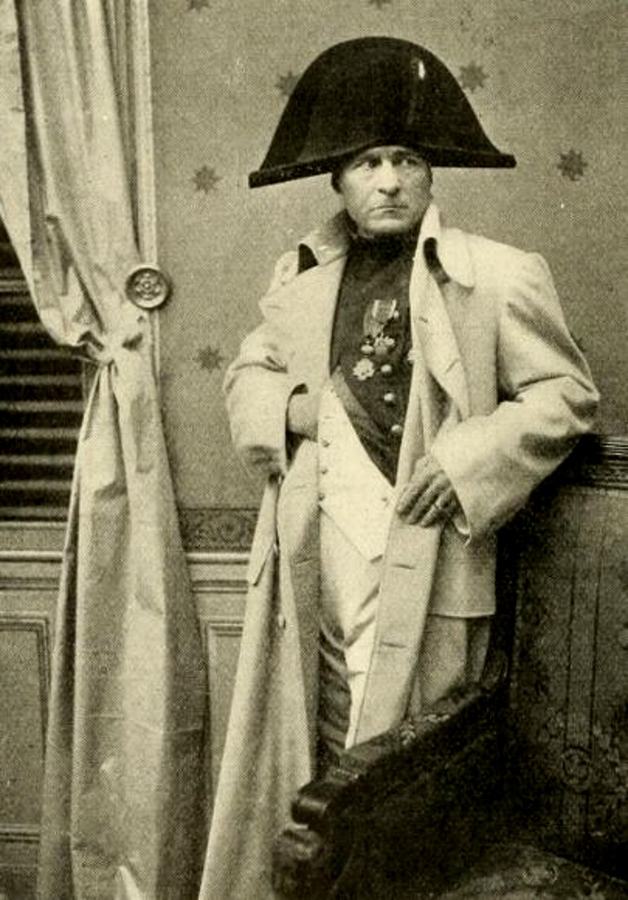
The cinematic journey into the tumultuous, often contradictory, existence of Napoleon Bonaparte commences not with the grandeur of an imperial court, but with the raw, visceral energy of the Siege of Toulon in 1793. Here, in the crucible of conflict, the film masterfully illustrates the nascent brilliance of a young artillery commander, a role undoubtedly imbued with a fierce, almost palpable intensity by Roberto Danesi. It is this foundational moment, a decisive victory that catapulted the young officer to the rank of brigadier-general, which sets the relentless pace for the epic that unfolds. The early frames, even in the context of nascent cinematic techniques, must have strived to capture the strategic acumen and sheer audacity that would define Napoleon's subsequent campaigns, painting a portrait of a military mind already operating on a different plane, capable of turning the tide of battle with audacious precision. This initial triumph is not merely a plot point; it is the genesis of a legend, a stark demonstration of how individual genius, even amidst revolutionary chaos, can forge its own destiny.
From the nascent embers of Toulon, the narrative then propels us into the sun-drenched, yet blood-soaked, battlefields of Italy. Napoleon’s relentless pursuit of victory, particularly evident in the arduous campaign of 1796, forms the very backbone of this segment. The film vividly portrays the desperate, almost mythological struggle at Arcola, where the French, initially thwarted by entrenched Austrian forces, overcome seemingly insurmountable odds. This sequence, undoubtedly a highlight for audiences of the era, underscores a recurring theme: Napoleon’s ability to inspire his troops to feats of incredible bravery and endurance, a quality that makes him not just a general but a charismatic leader. The desperate attack on the 17th, successfully carrying the position, is depicted as a triumph of sheer will and strategic adaptability. Furthermore, the audacious crossing of the Alps by the St. Bernard Pass in 1800, leading to the conclusion of the second Italian campaign, would have been a visual spectacle of immense proportions for early cinema. Imagine the panoramic shots, the arduous ascent, the sheer scale of human effort against nature – all designed to emphasize the monumental challenges overcome by this extraordinary figure. These campaigns solidify his reputation, not just as a brilliant tactician, but as a force of nature, a general whose presence alone could shift the tide of war.
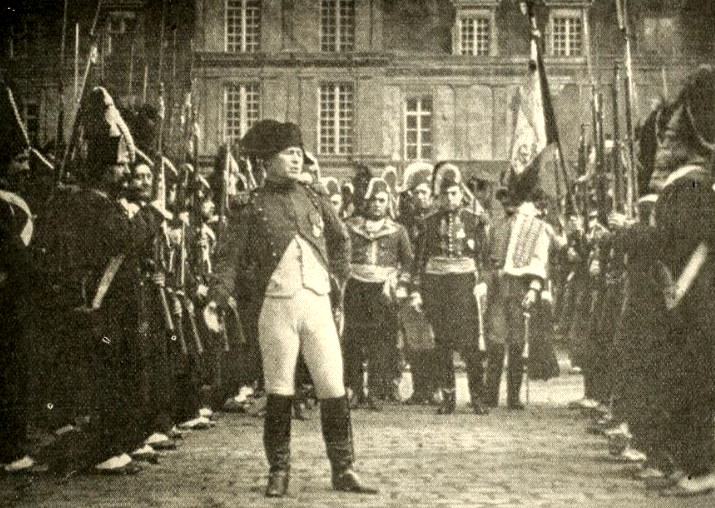
Shifting global landscapes, the film then transports its audience to the arid, mysterious expanse of Egypt, a stark and exotic contrast to the familiar European theaters. The arrival before Alexandria on July 1, 1798, marks a significant departure, both geographically and strategically. This campaign, fraught with immense hardship and suffering for the French army, becomes a powerful testament to Napoleon's unwavering resolve and his almost insatiable desire for conquest, even in distant lands. The depiction of the Egyptian enterprise, while perhaps romanticized through the lens of early 20th-century filmmaking, would have undoubtedly highlighted the exoticism and the formidable challenges faced by the French. The film chronicles his enterprise as again met by success, culminating in his departure for the continent after the conquest on August 18, 1799. This period, though marked by military victories, also hints at the growing political instability back home, subtly laying the groundwork for his next, far more ambitious, move. The sheer audacity of these expeditions, from the mud of Italy to the sands of Egypt, showcases a figure whose vision extended far beyond conventional military objectives, hinting at imperial aspirations even before they were fully articulated.
The zenith of Napoleon’s ambition is perhaps most strikingly captured in the opulent spectacle of his coronation as Emperor of the French on December 2, 1804, at the iconic Cathedral of Notre Dame. This pivotal moment, undoubtedly a visual feast even for early cinema, marks the transformation of a brilliant general into a sovereign ruler, a transition laden with both the promise of glory and the seeds of eventual tragedy. The film, in portraying this grand ceremony, would have meticulously focused on the regalia, the sheer pomp and circumstance, and the symbolic weight of Napoleon crowning himself, a defiant gesture against traditional monarchical authority. It’s a powerful visual metaphor for his self-made status, a man who, through sheer force of will and military genius, ascended to the highest echelons of power, fundamentally reshaping the political landscape of Europe. Archita Valente, perhaps in a supporting role depicting Josephine or another significant court figure, would have lent a crucial human element to these otherwise grandiose proceedings, grounding the imperial spectacle in relatable emotion.
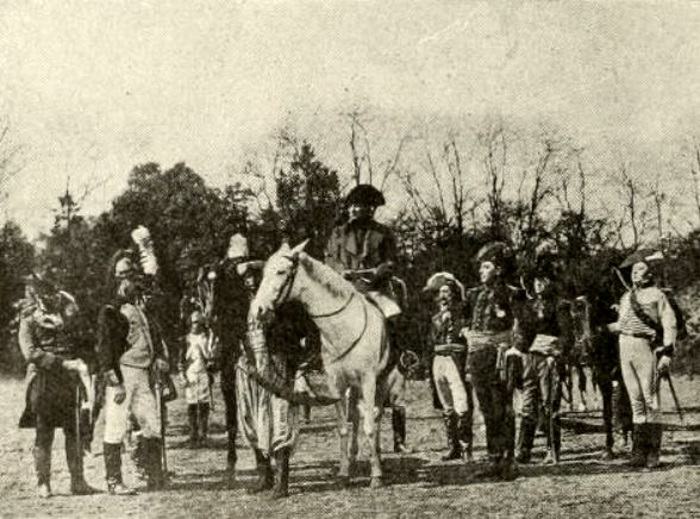
A mere year later, the film plunges us into the maelstrom of Austerlitz, often hailed as Napoleon's tactical masterpiece, the "Battle of the Three Emperors." The sheer scale of this engagement against the combined might of Russia and Austria, culminating in a decisive French victory, must have been a monumental undertaking to stage for a film of this era. Early filmmakers, constrained by technology but brimming with ambition, would have relied on massed extras, dramatic compositions, and perhaps even rudimentary special effects to convey the chaos and grandeur of such a pitched battle. It's in these grand set pieces that the early filmmakers truly strove to convey the immensity of historical events, much like the ambitious battle recreations seen in contemporary works such as The Battle of Shiloh, albeit with differing historical contexts and a focus on American Civil War tactics. The film would have emphasized Napoleon's brilliant feints, his exploitation of terrain, and his uncanny ability to predict and outmaneuver his adversaries. Austerlitz is presented not just as a victory, but as a definitive statement of French military supremacy under Napoleon, bringing the war of 1805 to a resounding close and solidifying his image as an invincible conqueror. This period represents the absolute apex of his power, a moment of unchallenged dominance that, in retrospect, carried the subtle, foreboding undertones of hubris.
The narrative then veers sharply towards the catastrophic Russian campaign of 1812, a stark and brutal turning point in Napoleon’s saga, a chilling reminder that even the most formidable will can be broken by the forces of nature and determined resistance. The film unflinchingly depicts the immense losses incurred, not solely from fierce engagements like Borodino, where the sheer human cost was staggering, but more devastatingly from the relentless, unforgiving grip of the Russian winter. The entry into Moscow, intended as a strategic triumph and winter sanctuary, transforms into a pyrrhic victory as patriotic fervor ignites the capital, forcing a devastating retreat. The imagery of a burning Moscow, a city sacrificed rather than surrendered, would have been a powerful, almost apocalyptic visual for audiences, symbolizing the futility of conquest when met with such an unyielding spirit. The Grand Army's retreat, harassed in flank and rear by Cossacks, leaving a track of dead and dying across the frozen plains, is depicted as a harrowing, almost Dantean descent into hell. The film effectively conveys the abject misery, the starvation, the frostbite, and the sheer terror of an army disintegrating under the combined assault of man and nature. Napoleon’s decision to leave the army on December 5th and journey to Paris, while strategically sound for maintaining control, also marks a crucial moment of detachment, a first crack in the façade of his invincible leadership. This segment serves as a profound meditation on the limits of human ambition and the brutal realities of war, far removed from the glory of earlier campaigns.
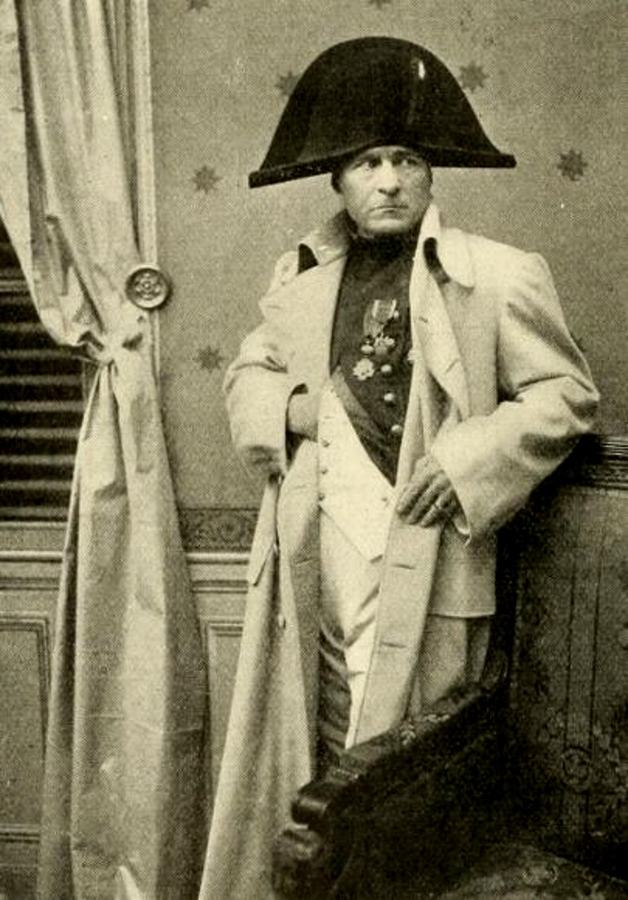
The precipitous decline continues with Napoleon’s forced abdication in April 1814, a moment of profound humiliation for the man who had reshaped Europe, banishing him to the relatively small, isolated island of Elba. This segment of the film explores the fragile nature of power and the transient loyalty of alliances, portraying a once-omnipotent figure now stripped of his empire. Yet, the story is far from over, for the legend of Napoleon was not so easily extinguished. The filmmakers tantalizingly hint at the enigmatic origins of his resolve to escape, leading to his audacious return to France on March 1, 1815. This period, famously known as the "Hundred Days," is a testament to the enduring charisma and indomitable will of the man, a dramatic resurgence that promises both hope for his loyalists and impending doom for the allied powers. The film, even with its early cinematic language, would have aimed to capture the incredible tension and excitement of his return, as regiments sent to arrest him instead rallied to his banner, demonstrating the magnetic pull he still held over the French populace. This brief, meteoric comeback underscores his almost mythical status, a figure who could defy exile and attempt to reclaim a lost empire, a narrative arc that speaks to the very core of human ambition and resilience.
The inexorable march towards destiny culminates on June 18th, with the legendary Battle of Waterloo. This overwhelming defeat at the hands of the allied forces under Wellington and Blücher decisively concludes Napoleon’s military career, a poignant and tragic end to an era of unparalleled ambition and incessant warfare. The film’s depiction of Waterloo, even if constrained by early special effects, would have striven for maximum dramatic impact, showcasing the relentless charges, the strategic blunders, and the sheer, brutal attrition that characterized this pivotal engagement. It is here that the myth of the invincible general is finally shattered, not by an overwhelming force of nature as in Russia, but by the combined strategic genius of his adversaries and the sheer tenacity of their troops. The sense of finality, of an era drawing to a close, would have been palpable. The film then follows the captive giant to the desolate shores of St. Helena, where, as the eloquent prose suggests, he is 'handed over by the Earth to the guardianship of the Ocean.' This phrase itself suggests a profound shift from a man who commanded continents to one imprisoned by the vastness of the sea, a powerful literary device that early filmmakers would have sought to translate visually. The isolation, the endless ocean, and the stark landscape would have served as a potent backdrop to his final, solitary years.
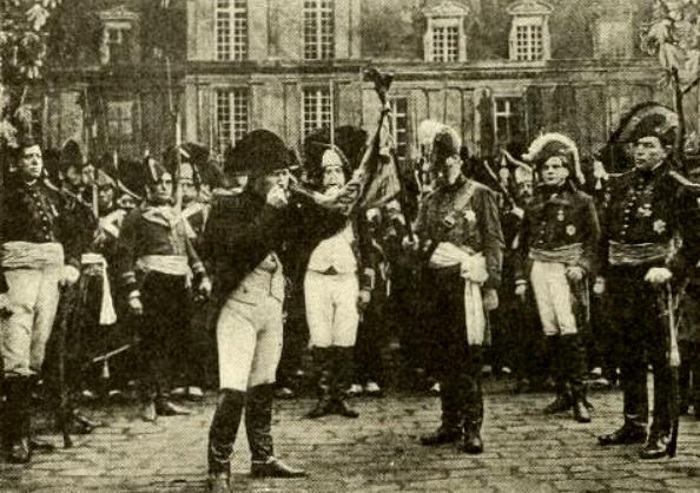
His final years, spent as a prisoner until his death on March 5, 1821, encapsulate a profound sense of isolation and reflection. The portrayal of this period, though perhaps understated in early cinema due to limitations in depicting complex psychological states, undoubtedly aims to convey the immense weight of a life lived on the grandest stage, now confined to a remote rock. It’s a somber conclusion, emphasizing the ultimate futility of even the most extraordinary human endeavors against the tide of history and the inevitability of mortality. The film, by concluding with his surrender to "Death, the conqueror of all," elevates the narrative beyond mere biography to a universal meditation on the human condition. It’s a powerful, if perhaps simple by modern standards, cinematic eulogy to one of history's most compelling figures, reminding us that even the most indomitable spirits must eventually yield. The final frames would have likely lingered on the desolate island, a stark contrast to the grandeur that preceded it, leaving the audience to ponder the legacy of a man who soared so high only to fall so far.
As a cinematic endeavor from an early epoch, this rendition of 'Napoleon' stands as a fascinating artifact, a testament to the ambition of early filmmakers to grapple with monumental historical narratives. While the constraints of the period – notably the absence of synchronized sound, rudimentary camera technology, and the nascent understanding of cinematic grammar – would naturally limit the depth of psychological exploration we might expect today, the film undoubtedly prioritizes the sweeping grandeur of events. It presents a grand, episodic chronicle of a life that reshaped a continent, relying heavily on compelling visuals, dramatic intertitles, and the expressive power of its actors. Roberto Danesi, as Napoleon, likely delivers a performance characterized by grand gestures, impactful physical presence, and a certain theatricality, all typical of the silent era, designed to convey the general's notorious energy, charisma, and strategic brilliance without spoken dialogue. His portrayal would have been crucial in anchoring the vast historical tapestry, ensuring that the audience remained invested in the man behind the legendary campaigns. Archita Valente's contribution, though perhaps in a supporting role depicting Josephine, Marie Louise, or another significant court figure, would have added necessary emotional texture to the narrative tapestry, providing glimpses into the personal toll of Napoleon's relentless ambition.
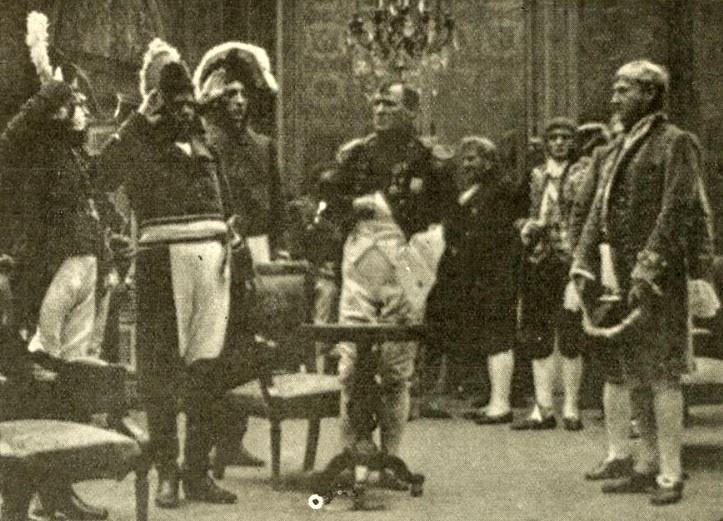
The film, in its stark chronological progression, paints a portrait of a man driven by an almost superhuman will, whose strategic genius was matched only by his boundless, ultimately self-destructive, ambition. It serves as a compelling, if somewhat broad-strokes, examination of leadership, the immense cost of conquest, and the capricious nature of fate. The visual storytelling, despite its vintage, would have aimed to immerse audiences in the grandeur and brutality of Napoleonic warfare, a challenge that even modern blockbusters struggle to fully capture. The scale of battles, the movement of armies, the dramatic landscapes – these elements would have been the primary focus, utilizing the nascent power of the moving image to transport viewers to these historical moments. The very act of attempting such an epic narrative in early cinema speaks volumes about the filmmakers’ vision and their belief in the medium's capacity for historical storytelling. It’s a pioneering spirit that sought to bring history to life for a mass audience, predating the sophisticated historical dramas of later eras.
Comparing its narrative ambition to other early biographical works, such as The Story of the Kelly Gang, one can appreciate the pioneering spirit required to condense such complex lives into a digestible cinematic form. While 'Kelly Gang' focused on a different kind of legend – the Australian bushranger Ned Kelly – both films represent early attempts to monumentalize significant figures through the emerging art of cinema, relying on compelling action and dramatic turns to engage audiences. These early historical films shared a common challenge: how to convey the scope and impact of real-life events without the benefit of sound or advanced editing. They often relied on powerful visual compositions, a strong central performance, and well-crafted intertitles to guide the narrative and provide necessary context. The 'Napoleon' film, in this context, stands as a grand European counterpart, tackling a figure of global historical significance with similar early cinematic tools.
Ultimately, this 'Napoleon' is more than just a historical reenactment; it is a profound meditation on the transient nature of power and the enduring legacy of human will. It asks us to consider the price of empire and the solitude of genius, a timeless narrative delivered through the lens of early cinematic art. The film, in its unvarnished chronological sweep, reminds us that even the most indomitable spirits, after conquering nations and reshaping continents, must eventually surrender to the conqueror of all: death. It is a powerful, deeply resonant cinematic eulogy to one of history's most compelling and controversial figures, whose story continues to captivate and provoke debate. The enduring fascination with Napoleon's life, even in this early cinematic interpretation, speaks to the universal themes of ambition, rise, and inevitable fall that resonate across generations. It’s a stark, compelling reminder that no matter how mighty the emperor, history, and mortality, always have the final say.
IMDb —
1925
Community
Log in to comment.