DbcultAccessing Vault...
Cult Review
Senior Film Conservator
If you're into those really old-school Italian melodramas, the kind where every glance feels like a declaration, then sure, dive into "Napoli terra d'amore." People who love a good, earnest cry over star-crossed lovers and the vivid, almost chaotic beauty of old Naples will probably find something here. But if you need fast pacing or subtle performances, this one's gonna test your patience, probably make you want to grab the remote. 😴
The story itself, well, it’s about this fisherman, Eduardo Notari, and a young woman, Lina Cipriani, who works the laundries near the port. Their love is all huge eyes and hushed whispers, very dramatic, which is exactly what you’d expect from the title. Notari, he’s got this intensity, like his eyes are always pleading.
Her father, played by Giovanni Mongelluzzo, is the classic stern patriarch. Every time he’s on screen, you can feel the air get thick, almost like he is the storm gathering over their young love. There’s a scene where he just stares at Lina for what feels like an eternity after she mentions Notari's name. It’s so quiet. Almost too much.
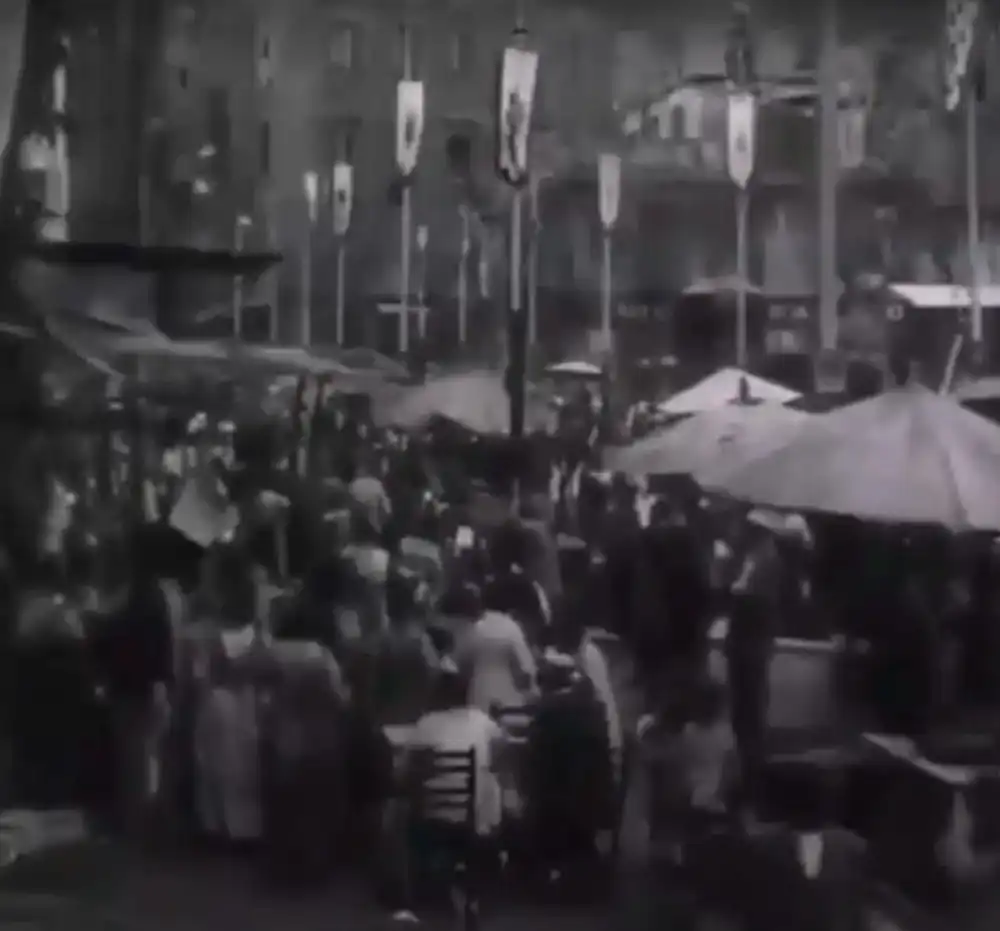
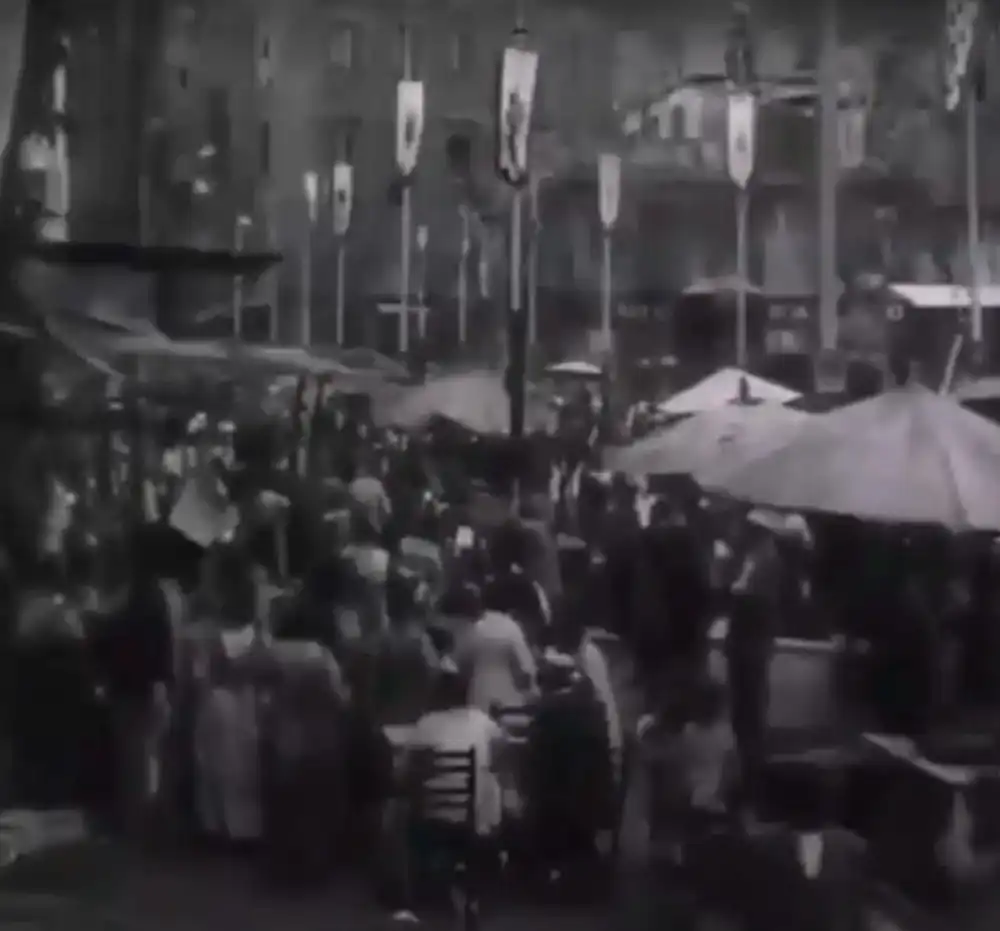
You know, the actual Naples is the real star here. The camera loves the winding streets, the laundry lines strung between buildings, the busy fish markets. One shot, early on, just lingers on a small boy chasing a pigeon across a cobblestone square. It has nothing to do with the plot, really, but it felt like Naples. 🕊️ You almost smell the sea salt and fresh bread.
Then there's Enzo Di Costanzo’s character, the wealthy merchant. He's got this slick hair and a way of looking at Lina that's just a bit too possessive, not romantic. The film really pushes him as the villain, even if he’s just trying to marry her. He offers her father some money in a café scene, and the way the light catches the coins on the table… it was a nice touch. A small, fleeting moment.
Lina Cipriani, she really sells the despair. Her shoulders slump more and more as the film goes on. There’s this one moment where she’s hanging clothes, a simple blue dress, and she just stops, looks out at the bay, and a single tear rolls down. It's not subtle, you know? But it works for what it is. Her silent suffering is a big part of the appeal for this kind of film.
The music, it’s all big, sweeping orchestral stuff, which can get a bit much. Every time Notari and Cipriani meet secretly, there’s this same swelling violin theme. You start to expect it. It’s almost a character itself, this melodramatic score.
Edda Gleber, she plays this older woman, maybe a neighbor or a distant aunt, who offers advice to Lina. She’s got this wonderful, knowing smirk. She doesn't have many lines, but her presence, her eyes, they tell a whole story. She’s the one who tells Lina, "Love finds a way, child," and it sounds like she really believes it. She almost steals the show, honestly. Her character felt like a real person, not just a plot device.
The pacing can be a real challenge. Long stretches of people just looking at each other, or walking slowly through the streets. It wants you to feel every emotion, every step. Sometimes it works. Sometimes, you just want to fast-forward a bit, I guess. The constant background chatter of the city, though, it’s immersive.
There’s a fight scene, late in the film, between Notari and Di Costanzo’s henchmen. It's surprisingly clumsy. Notari throws a punch, and it looks like it barely connects. But the emotional stakes are so high, you almost forget how awkward the choreography is. It’s the anger that comes through, the desperation.
The ending, without giving too much away, it’s a big, emotional explosion. Everyone cries. You will feel something, even if you’re a little exasperated by then. It's definitely a film of its time, full of heart, even if its methods are a bit... blunt. It’s not a masterpiece, but it’s got a certain charm if you let it wash over you. It's a bit like a really strong espresso, intense and leaves a lasting impression.

IMDb 6.7
1926
Community
Log in to comment.