DbcultAccessing Vault...
Cult Review
Senior Film Conservator
In the shimmering, nascent days of cinematic storytelling, a particular charm often emanated from narratives that championed the underdog, the dispossessed soul navigating a world seemingly arrayed against them. Such is the enduring allure of You Never Saw Such a Girl, a 1919 silent drama that, despite its somewhat unassuming title, weaves a surprisingly intricate tapestry of resilience, unexpected fortune, and the transformative power of love. The film plunges us immediately into the precarious existence of Marty McKenzie, portrayed with an arresting blend of vulnerability and tenacity by the luminous Vivian Martin. Her world, initially structured around the quiet stability provided by her stepfather, crumbles with his untimely passing. This abrupt severance from her familial moorings leaves Marty and her devoted companion, the sagacious teacher Fannie Perkins (played by Claire Anderson), in a state of profound financial precarity. Their plight is not merely a plot device; it serves as a stark commentary on the economic anxieties prevalent at the turn of the century, where a single misfortune could plunge individuals into destitution.
The ingenuity born of desperation often sparks the most compelling narratives, and here, it manifests in the duo's audacious plan to resurrect a dilapidated van, transforming it into a mobile antique shop. This endeavor is more than a mere means of survival; it is a metaphor for their journey, a literal and figurative quest for value amidst forgotten relics. As they traverse the landscape, their lives become a continuous treasure hunt, each dusty attic and neglected barn holding the promise of a hidden gem. This nomadic existence, while arduous, also imbues Marty with a sense of self-reliance and an intimate understanding of the world beyond gilded cages. The narrative, at this juncture, deftly balances the poignant reality of their struggle with the burgeoning hope that accompanies each new discovery, painting a vivid picture of their itinerant lives.
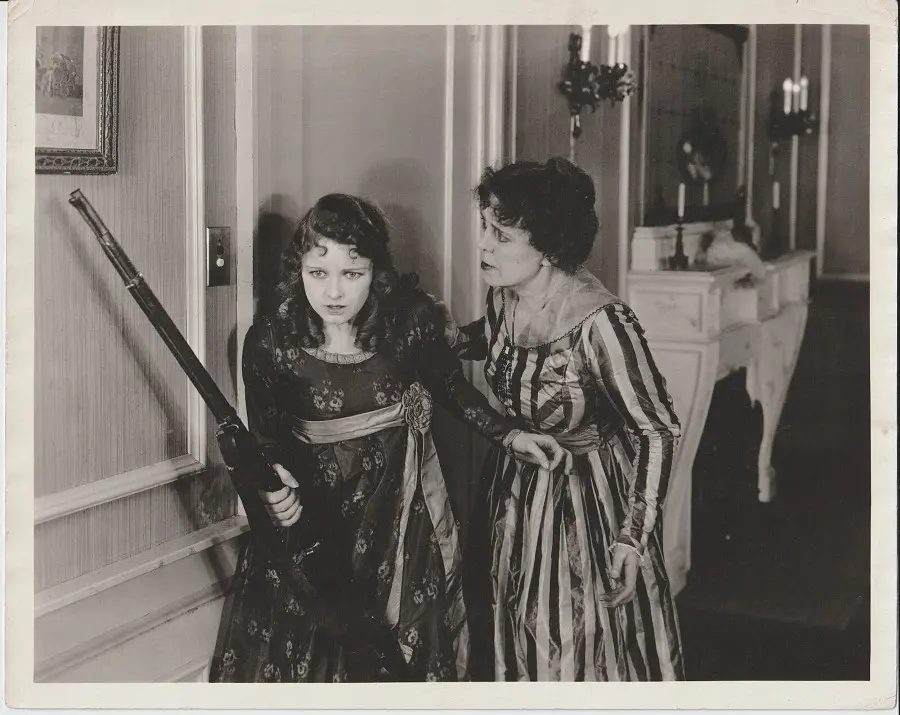
The pivotal turning point arrives not through the sale of a valuable curio, but through the serendipitous unearthing of an old, forgotten trunk. This isn't just any trunk; it is a veritable Pandora's box of secrets, containing documents that dramatically reconfigure Marty's understanding of her own identity. The papers reveal a startling truth: Marty McKenzie is, in fact, the granddaughter of the immensely wealthy and formidable Mrs. Burgess. This revelation instantly catapults the narrative from a tale of humble striving to one of potential inheritance and familial intrigue. The discovery is handled with a sense of understated awe, emphasizing the seismic shift it represents in Marty’s life trajectory. It’s a classic cinematic trope, yet rendered here with a freshness that speaks to the era’s fascination with social mobility and the hidden lives of the privileged.
Armed with this life-altering information, Marty and Fannie set off to locate Mrs. Burgess’s opulent abode, a journey that promises resolution but delivers an unexpected confrontation. The anticipated warm welcome, the embrace of a long-lost relative, is conspicuously absent. Instead, Marty is met with a reception that is decidedly uncordial, a chilling rebuke orchestrated by a woman whose primary concern is the preservation of her own dynastic wealth. Edythe Chapman, as Mrs. Burgess, embodies the formidable matriarch with a chilling precision, her austere demeanor and unyielding gaze conveying volumes without uttering a single word. It quickly becomes apparent that Marty's claim to kinship is complicated by a crucial detail: she is the granddaughter not of Mrs. Burgess herself, but solely of her late husband. This distinction, seemingly minor, becomes the fulcrum upon which Mrs. Burgess pivots her ruthless strategy to secure the entire estate for her son, Eric.
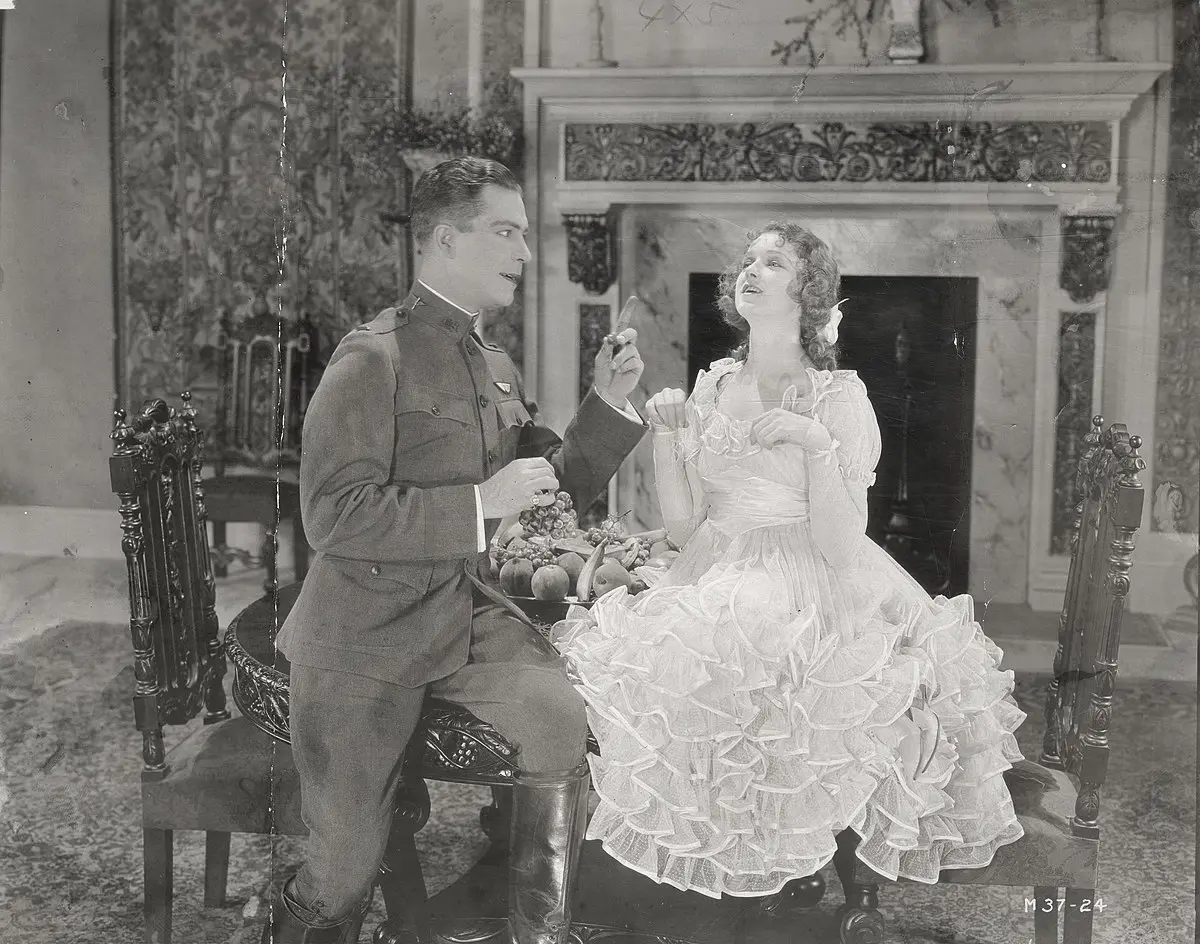
Mrs. Burgess's motivations are painted with broad, yet effective, strokes. Her opposition is rooted in a potent cocktail of avarice, class prejudice, and a fiercely protective maternal instinct. She views Marty not as family, but as an interloper, a threat to the established order and the future of her beloved son. Her machinations, while villainous, are understandable within the context of the era's rigid social hierarchies and the paramount importance placed on inherited wealth. This conflict sets the stage for a compelling clash of wills: the innocent, rightful heir against the entrenched power of the matriarch. It is a timeless struggle, echoing themes found in literary classics and other cinematic works of the period, such as the social injustices depicted in Tess of the D'Urbervilles, though with a different ultimate trajectory.
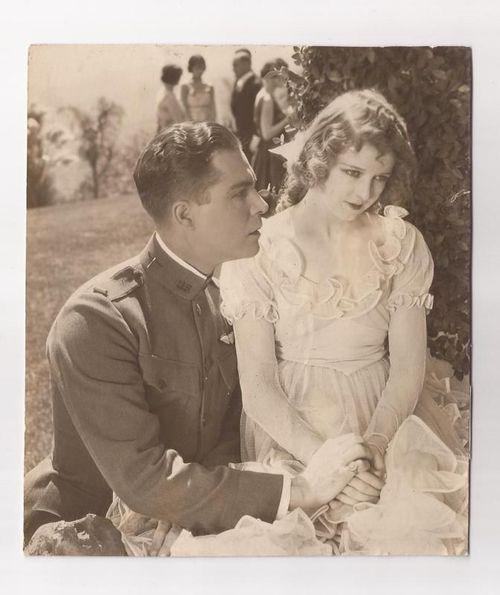
Into this tense domestic drama strides Eric, Mrs. Burgess’s son, an Army aviator home on furlough, portrayed by the early cinematic actor Harrison Ford. It's crucial to note for contemporary audiences that this is not the iconic star of Star Wars and Indiana Jones, but rather a prominent leading man of the silent era, whose suave presence and expressive eyes captivated audiences of his time. His arrival injects a new dynamic into the household, initially perhaps as another obstacle for Marty, but ultimately as the catalyst for the narrative's resolution. His character is presented as honorable, less swayed by his mother's pecuniary obsessions, and more open to the genuine spirit of Marty. The burgeoning romance between Marty and Eric is the heart of the film, a testament to love's capacity to transcend societal barriers and familial discord. Their connection is depicted with a delicate touch, relying on glances, subtle gestures, and the undeniable chemistry between Martin and Ford. It's a love story that unfolds against a backdrop of legal wrangling and familial acrimony, making its eventual triumph all the more poignant.
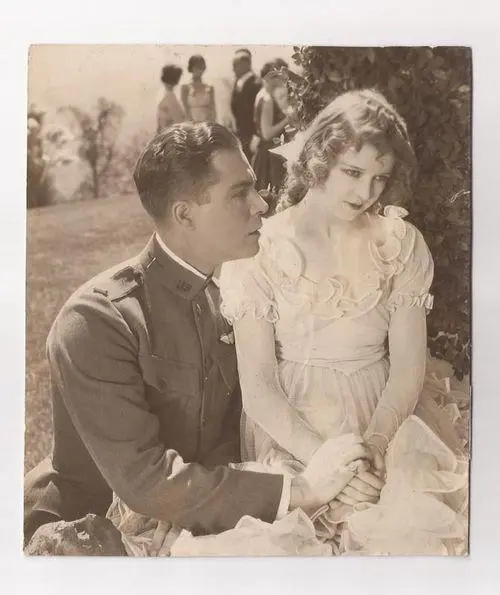
The performances in You Never Saw Such a Girl are a fascinating study in silent film acting. Vivian Martin, as Marty, carries the emotional weight of the film with remarkable grace. Her expressive face and nuanced body language convey the spectrum of her character’s experiences – from the initial despair of poverty to the quiet dignity of her claim, and finally, the blossoming joy of love. She embodies the archetypal 'girl next door' with an underlying strength that prevents her from ever appearing a mere damsel in distress. Her journey is not one of passive acceptance, but active participation in shaping her destiny. Similarly, Claire Anderson, as Fannie Perkins, provides a grounded, maternal presence, her loyalty to Marty unwavering and her practical wisdom a crucial anchor in their tumultuous lives. Their bond is one of the film’s most endearing aspects, a testament to female solidarity in times of adversity, a theme that resonates across various cinematic periods and can be seen in the supportive friendships explored in films like Anya Kraeva.
The film’s thematic undercurrents delve deeply into the often-unseen struggles of social mobility and the arbitrary nature of inherited wealth. Marty’s initial poverty is not a moral failing but a circumstantial burden, and her eventual claim to wealth is based on legitimate lineage, not avarice. The narrative subtly critiques the entrenched snobbery of characters like Mrs. Burgess, whose disdain for Marty is rooted solely in her perceived lower social standing. The film suggests that true worth lies not in one's bank account or family name, but in character, resilience, and integrity. This message, while universal, held particular resonance in an America grappling with rapidly changing social structures and the burgeoning ideals of meritocracy. The contrast between the simple, honest life of the antique sellers and the opulent, yet emotionally cold, world of the Burgess estate is starkly drawn, inviting the audience to question where genuine happiness and fulfillment truly reside.
Visually, the film adheres to the conventions of early 20th-century cinema, relying on clear narrative progression, expressive intertitles to convey dialogue and internal thoughts, and a relatively static camera that allows the actors’ performances to take center stage. Yet, within these constraints, there are moments of genuine artistry. The scenes of Marty and Fannie rebuilding their van, or their travels across the countryside, offer glimpses of a changing America, hinting at the freedom and adventure of the open road. The opulent sets of the Burgess mansion provide a stark visual contrast to the humble settings of Marty’s earlier life, effectively communicating the chasm between their worlds. The director and cinematographers skillfully use lighting to enhance mood, creating a sense of foreboding in Mrs. Burgess's presence and warmth in the budding romance between Marty and Eric. It’s a masterclass in visual storytelling, demonstrating how much could be communicated before the advent of synchronized sound.
The resolution of the conflict, while perhaps somewhat idealized, provides a satisfying emotional catharsis. The burgeoning love between Marty and Eric proves to be the ultimate weapon against Mrs. Burgess’s obstinacy. It is a testament to the power of genuine human connection to melt even the most hardened hearts. Mrs. Burgess, faced with her son’s undeniable affection for Marty and perhaps a glimmer of recognition of Marty’s inherent goodness, eventually withdraws her opposition. This shift isn't portrayed as an abrupt, unbelievable conversion, but as a gradual softening, a concession to a force she cannot control or deny. It speaks to the enduring belief that love, in its purest form, can bridge divides and heal old wounds, a sentiment that resonates with the hopeful endings often found in films of this era, much like the triumphant spirit in Her Fighting Chance.
In retrospect, You Never Saw Such a Girl stands as a charming example of silent cinema’s ability to craft engaging, emotionally resonant stories with universal appeal. It showcases the talents of its lead actors, particularly Vivian Martin, whose star power is undeniable. While it may not possess the grand scale or experimental techniques of some of its more celebrated contemporaries, its strength lies in its straightforward yet compelling narrative, its earnest performances, and its unwavering belief in the triumph of virtue and love over avarice and prejudice. For those eager to delve into the rich history of film, this forgotten gem offers a delightful window into the storytelling sensibilities of a bygone era, proving that sometimes, the simplest tales are the most profound. It reminds us that even a century later, the human heart’s desire for belonging, justice, and affection remains the most potent narrative engine, making it a worthy addition to any silent film enthusiast’s viewing list. The film, in its quiet elegance, truly lives up to its evocative title, presenting a heroine and a story that, once seen, are indeed hard to forget.

IMDb —
1926
Community
Log in to comment.