DbcultAccessing Vault...
6.1/10
Senior Film Conservator
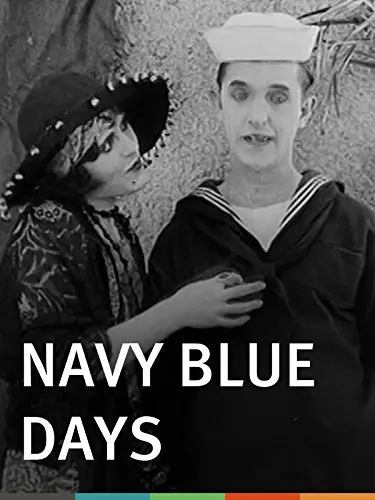
A definitive 6.1/10 rating for a film that redefined the boundaries of cult cinema. Navy Blue Days remains a cornerstone of transgressive art.
Navy Blue Days is a silent comedy that masterfully weaves the tale of Stan, a sailor stationed in Latin America, whose monotonous existence is punctuated by moments of profound solitude. The film opens with a stark image of Stan’s quarters, a small, sparsely furnished room in a larger, bustling ship, setting the stage for his yearning for companionship. This introductory scene immediately captures the viewer’s attention, drawing parallels between the physical and emotional isolation he experiences.
The narrative takes a significant turn when Stan, driven by a mixture of loneliness and a fleeting sense of curiosity, invites himself to a dinner hosted by the Chief, an event he is not formally invited to. This act of spontaneity propels him into the heart of a social milieu that is both foreign and intriguing. The hostess, a captivating figure, becomes the central focus of his attention, her presence weaving a complex web of emotions and interpersonal dynamics.
This encounter, initially tinged with discomfort and disapproval from the Chief and her local beau, gradually unfolds into a narrative of mutual fascination. Stan’s character, embodying a blend of naivety and determination, is portrayed with a depth that resonates with the audience. His journey is not just one of physical exploration but also a profound inward voyage, as he navigates the social norms and expectations that govern the interactions between men and women in this setting.
The film’s visual style is a testament to its director's vision. The use of shadow and light, particularly in the scenes set at night or in dimly lit interiors, adds a layer of mystery and drama to the narrative. The vibrant hues of Latin America, captured with meticulous detail, underscore the film’s rich cultural context. The interplay between the natural and artificial light, combined with the expressive performances of the cast, creates a visual tapestry that is both enchanting and thought-provoking.
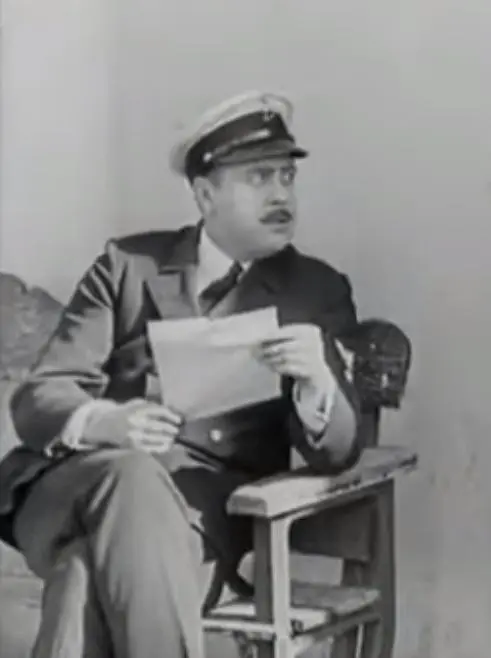
Glen Cavender, in the lead role, delivers a nuanced performance as Stan, capturing the essence of a man who is both desperately seeking and fearfully avoiding the very connection he desires. His portrayal is a testament to the silent film era’s reliance on body language and facial expressions to convey emotion, making his character’s journey deeply relatable. Julie Leonard, as the hostess, brings a striking presence to the screen, her character’s allure and vulnerability adding layers to the story’s emotional core.
The supporting cast, including Zalla Zarana and Tay Garnett, effectively contribute to the film’s narrative. Zarana, as the local beau, offers a compelling counterpoint to Stan’s character, his interactions with the hostess and Stan adding complexity to the social fabric of the story. Garnett’s direction is evident in the way he captures the subtle nuances of human interaction, making the film a delightful exploration of social norms and personal desires.
Comparatively, Navy Blue Days shares thematic similarities with films like ‘Going Straight’ (1920) and ‘The Little Diplomat’ (1927), both of which delve into the complexities of social interactions and the challenges of personal identity. However, its unique setting and the specific cultural context of Latin America set it apart, offering a fresh perspective on these timeless themes.
The film’s exploration of the human condition, particularly the yearning for connection and the challenges of navigating social dynamics, makes it a poignant and compelling watch. Its silent format, while presenting a unique set of challenges, allows for a rich, immersive experience that transcends the limitations of spoken dialogue. The performances, particularly Cavender’s, are a highlight, showcasing the emotional depth that can be conveyed through non-verbal means.
In conclusion, Navy Blue Days is a significant contribution to the silent film canon, offering a nuanced and deeply moving exploration of human desire and connection. Its visual beauty, compelling narrative, and stellar performances make it a must-watch for those interested in cinema’s golden age and its continued relevance in modern storytelling.
IMDb —
1918
Community
Log in to comment.