DbcultAccessing Vault...
7.1/10
Senior Film Conservator
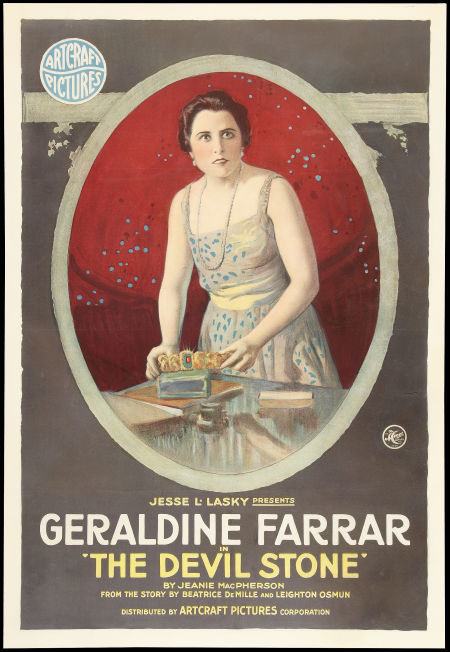
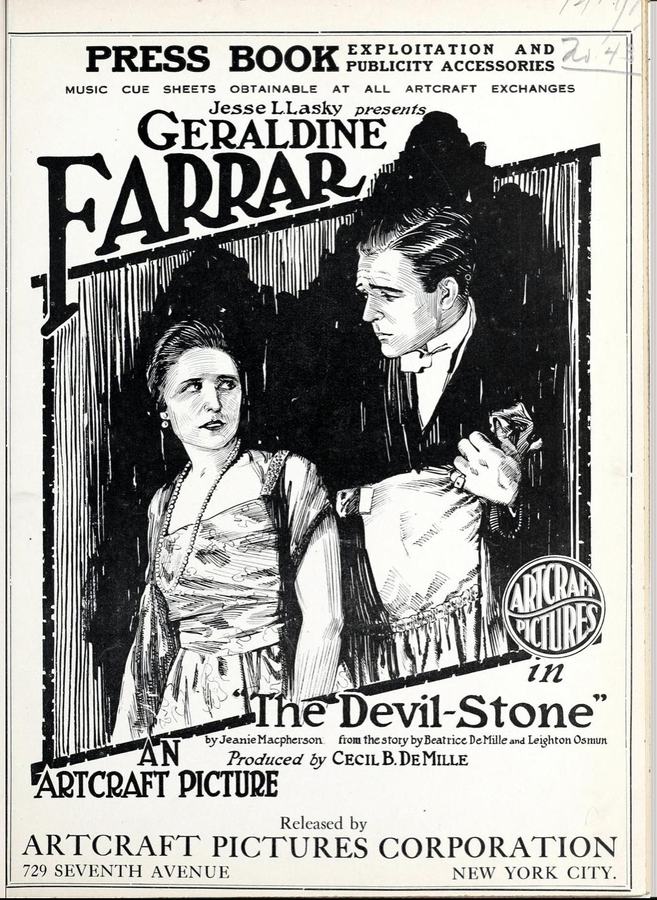
A definitive 7.1/10 rating for a film that redefined the boundaries of cult cinema. The Devil-Stone remains a cornerstone of transgressive art.
Imagine a world where gems gossip, marriages are hostile takeovers, and the ocean itself keeps the books. That world is The Devil-Stone, a 1916 fever-dream now rescued from the vinegar-smelling vaults of forgotten nitrate.
Director Cecil B. DeMille—still a few years away from colossal biblical pageants—shoots this coastal noir with a gaze that lingers on textures: barnacles like black pearls, satin like liquid moon, a noose of shadows tightening around a throat. The film’s very title card shivers, letters quaking as though carved from glacial ice.
The emerald, reputedly pried from the crown of Queen Gunnhild, is no mere MacGuffin; it is a co-author of the narrative. Cinematographer Alvin Wyckoff backlights the jewel so it glows like a cathedral rose window flung into the sea. Each time it changes hands, the frame strobes crimson—an early, hand-tinted warning that possession will cost you more than money.
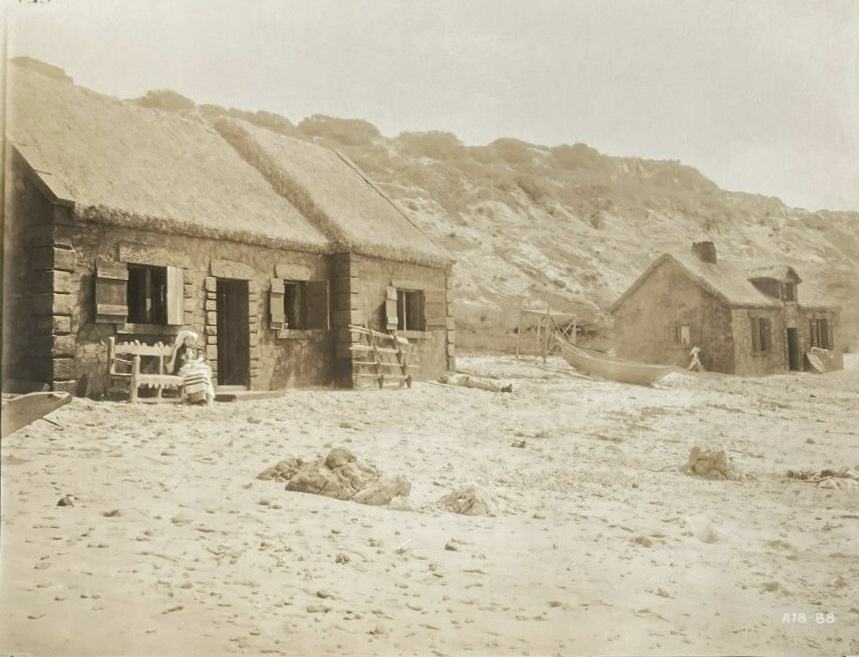
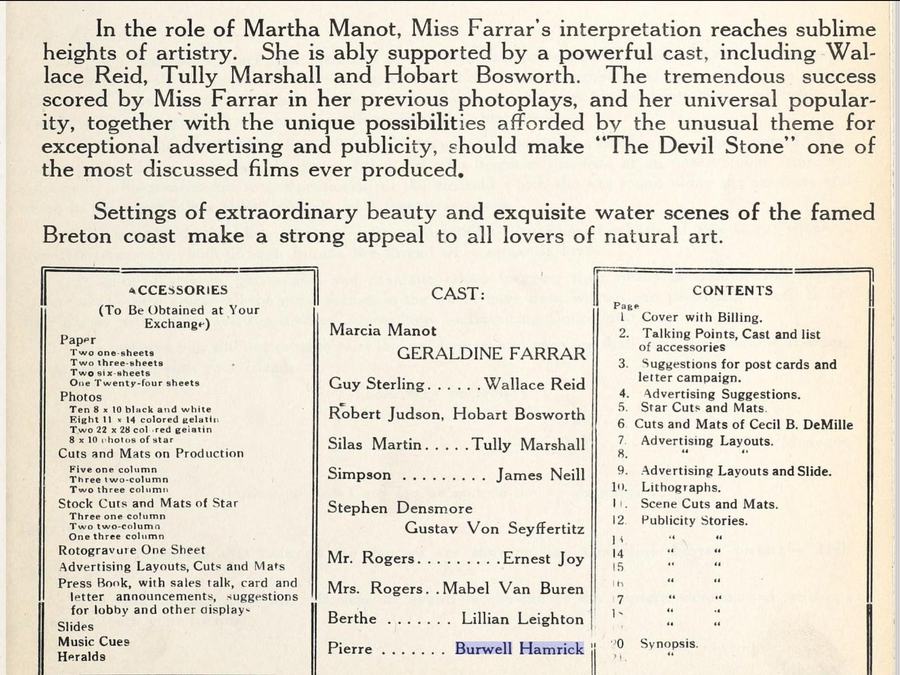
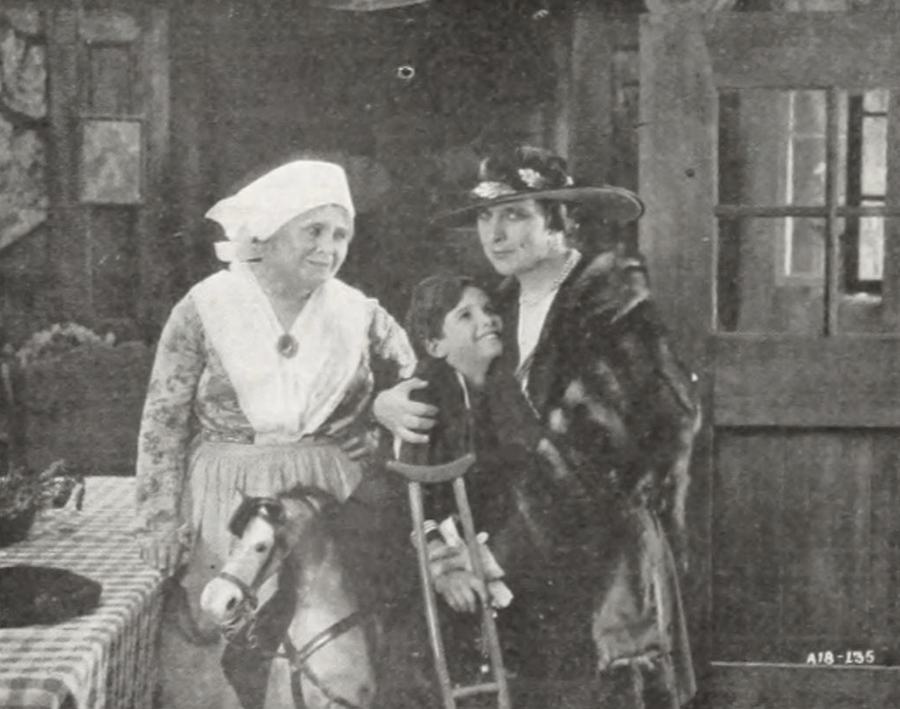
Lillian Leighton’s Marcia begins as a barefoot mystic, hair whipping like pennants, but ends as something harder: a woman who has read the small print on destiny and countersigned in blood.
Ernest Joy plays him with the unblinking serenity of a shark. Watch his pupils when he first spies the emerald: they dilate like ink in water. His courtship of Marcia is filmed as a ledger column of close-ups—her hand, her dowry chest, her downcast eyes—intercut with inserts of ticking clocks. Marriage, for Silas, is vertical integration; divorce, a leveraged sell-off.
DeMille stages the sham divorce hearing inside a fishing shack refitted with mahogany panels, a sly joke on gilded corruption. The law clerk’s quill scratches like a dentist’s drill; Marcia’s tears fall on stamped paper, dissolving the ink until the document resembles a storm map.
When Marcia drives the dagger home, DeMille cuts to a crucifix-shaped doorframe, its shadow bisecting her face. The murder itself occurs off-screen; instead we get surf crashing in slow-motion (camera cranked at 12 fps) and an insert of herring gulls shrieking—a pagan choir absolving nothing.
Note the overlap with Alone with the Devil: both heroines commit spousal homicide, both must outrun moral ledgers. Yet where the latter wallows in gothic guilt, The Devil-Stone treats the act as a takeover bid.
Farrar—opera diva slumming in flickers—plays Helene Davenport, Silas’s metropolitan fiancée, a woman who wears cigarette smoke like ermine. Her entrance arrives via a travelling matte: a limousine superimposed over breakers, as though the city itself surfs into frame. Helene’s sole purpose is to remind Marcia that class mobility is a greased pole.
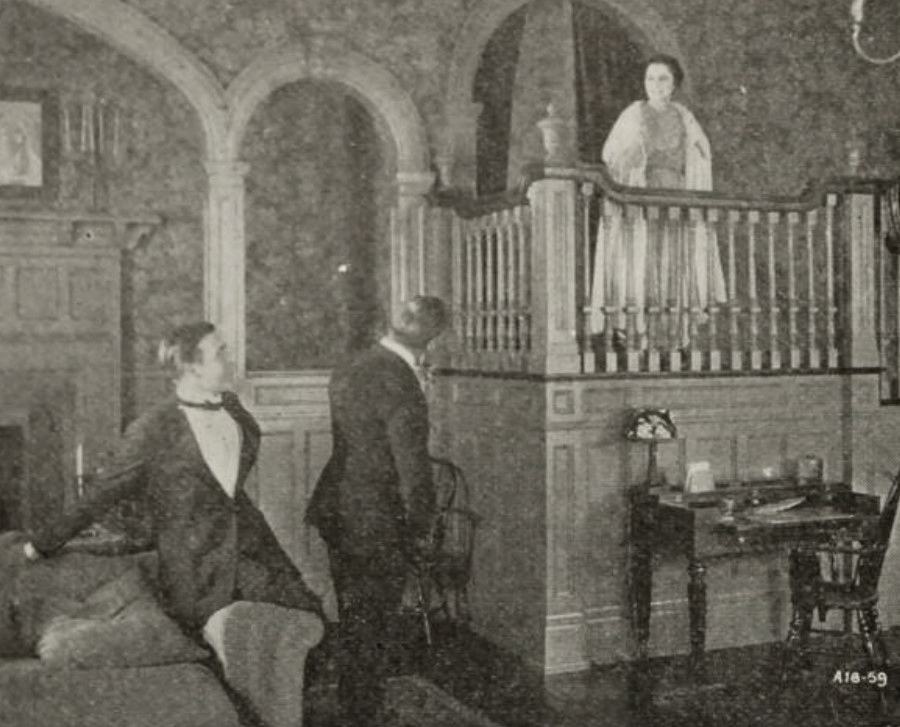
In a scene destined for the lecture halls of feminist film theory, Helene and Marcia share a powder room. Mirror reflections fracture them into shards—one in lace, one in oilskins—yet both are framed by the same emerald brooch lying on the vanity, a silent referee.
Wallace Reid, golden-haired prototype for beleaguered nice guys, portrays Sterling, Silas’s business manager. Tasked with liquidating the dead man’s assets, he instead liquidates his loneliness by wooing the widow. Reid’s chemistry with Leighton crackles precisely because it is forbidden; every smile carries a whiff of formaldehyde from the still-warm corpse.
DeMille lets their courtship unfold in a montage of fiduciary eroticism: balance sheets tossed by wind, a shared fountain pen scratching promissory notes that read like love letters, a safe door swinging shut on two pairs of linked hands.
Theodore Roberts enters as Detective Varney, wearing a bowler hat the colour of dried blood. His investigative method is pure capital: he tallies motives like debits, timelines like credits. When he corners Marcia inside a fish-curing barn, kerosene lamps flare, turning the hanging cod into ghostly jurors.
Varney’s final revelation arrives not via clue but via confession extracted by the emerald itself; when Marcia holds it up to lamplight, its green rays project runic letters on the wall—an ancient indictment. She crumbles, yet the film denies us carceral closure; instead the camera dollies back through the barn door into roiling surf, suggesting guilt is merely another tide.
Though released in standard monochrome, prints were shipped with instruction sheets for hand-colouring key sequences. Exhibitors dabbed the emerald in arsenical green, the murder scene in lurid amber, the gull wings in chalk white. The result: a proto-psychedelic experience that made farmers weep and children clutch their seats.
Compare this to the yellow-and-teal morality play of The Lure; both films weaponize colour as moral semaphore, yet DeMille’s palette feels alchemical rather than didactic.
Beatrice DeMille (Cecil’s mother) supplies the proto-feminist spine: women as economic actors. Jeanie Macpherson injects the mystic hokum: curses, reincarnation, sea-sprite fatalism. Leighton Osmun provides the hard-edged divorce-court realism. Their three voices braid into a rope sturdy enough to hang puritanical censorship.
Dialogue intertitles bristle with aphoristic venom: “A marriage certificate is a warrant for forgery when love is counterfeited.” Such lines flash on-screen long enough to scald.
Original scores sent to theatres ranged from Grieg-derived Nordic marches to Cajun waltzes, depending on region. Projectionists were urged to synchronise a cymbal crash the exact frame the emerald first glints. Contemporary restorations favour a string quartet scraping dissonant harmonics, turning each wave into a guillotine.
Trace the bloodline: the cursed-object thriller (Wenn Tote sprechen), the femme-noir revenge tale (The Rattlesnake), even the corporate-morality plays of Paul Thomas Anderson. DeMille’s film whispers across the century: every fortune is somebody’s misfortune deferred.
First viewing: 16 mm print, college basement, projector rattling like a coffee can full of nails. Second viewing: 4K scan, headphones, midnight. The emerald now looked less like jewel, more like infected iris. I understood: the curse is capital, the stone is just its witness.
The Devil-Stone is not a relic; it is a mirror held up to our own algorithmic courtships, our pre-nups, our crypto wallets. We are all fishermen pulling up stones that sing of someone else’s drowned queen.
Verdict: Masterpiece? Perhaps. Necessary exhumation? Absolutely.
IMDb —
1933
Community
Log in to comment.