DbcultAccessing Vault...
6.2/10
Senior Film Conservator
A definitive 6.2/10 rating for a film that redefined the boundaries of cult cinema. Nazaré, Praia de Pescadores remains a cornerstone of transgressive art.
Alright, so 'Nazaré, Praia de Pescadores.' This isn't your weekend blockbuster, let's be super clear on that. It's more of a time machine, really. If you're someone who loves old films, especially ones that show real life, or if you're just curious about how things used to be, particularly by the ocean, then yeah, absolutely give this a look. It's a genuine piece of history. 🌊
But for folks expecting a story with a beginning, middle, and end, or maybe some snappy dialogue, you're going to find it a *very* slow watch. This one’s for the patient, the historians, or anyone who just likes to observe.
The first thing that grabs you, right from the start, is the sheer power of the ocean. Those waves crashing on the beach, they're enormous. You can almost feel the spray, even through the old film grain and the silence. It’s just this constant, pounding force. It makes you feel tiny.
It’s not a gentle postcard view. This is the sea as a workplace, a dangerous, unpredictable thing that demands respect.
Then the people appear, small figures against that vast backdrop. They aren't posing. They are just working, with this incredible, unglamorized effort. Hauling nets, pushing those heavy traditional boats – the *barcos de pesca* – into the water. It’s all brute strength and coordinated movements.
One particular shot of a group of men straining against a rope, their backs to the camera, just sticks with you. You can almost hear their grunts, even without sound. It’s Chained to the Past, but by choice, by necessity.
The director, José Leitão de Barros, doesn't try to make it pretty in a touristy way. He just shows it. There's an honesty there that's pretty rare.
You see the women too, often in their traditional clothes, waiting on the shore. Sometimes with children. It’s not just the men's job; it’s a whole community's existence. Everyone's part of this rhythm set by the tides and the catch.
There's this one moment where a boat finally pushes past a particularly large wave, and the relief, even in silent black and white, feels palpable. It’s a small triumph, but a *big* one.
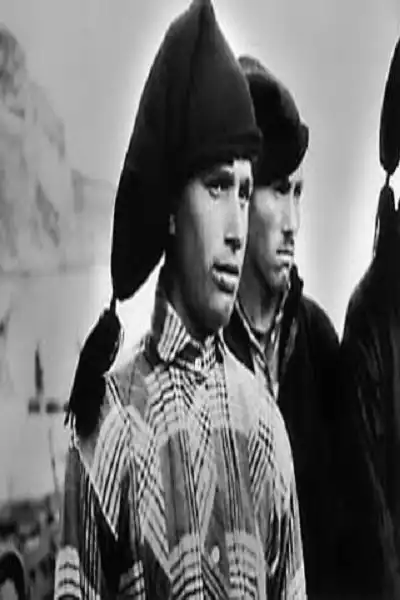
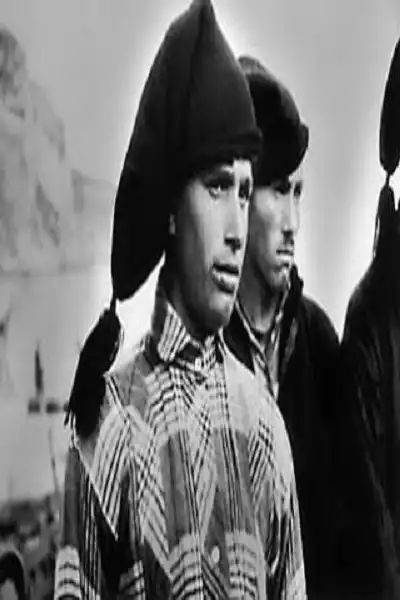
I kept thinking about how cold that water must have been. And how heavy those coarse wool hats the fishermen wore must have felt, drenched and all. It’s a very physical film, even when you're just watching it.
The film's pace is, well, *deliberate*. Some shots linger. Maybe a bit too long for modern sensibilities, sure. But it lets you really take in the details: the texture of the fishing nets, the way the sand gets churned up by the waves, the sheer effort in every movement. It’s like a visual meditation, almost.
It gets noticeably better once you stop expecting a plot and just let it wash over you, like the waves themselves.
It’s not a story with a beginning or an end, not really. It just *is*. A slice of life, caught on film, from a time that feels so distant now. It stays with you, not because of a grand narrative, but because of the raw, simple truth of it.
This isn't an Action movie. It’s an observation, a historical document. For that, it’s quite powerful. It reminds you how hard life could be, how connected people were to their environment, and how much has changed. It's not for everyone, but for the right viewer, it’s a small treasure.
IMDb 6.9
1928
Community
Log in to comment.