DbcultAccessing Vault...
Cult Review
Senior Film Conservator
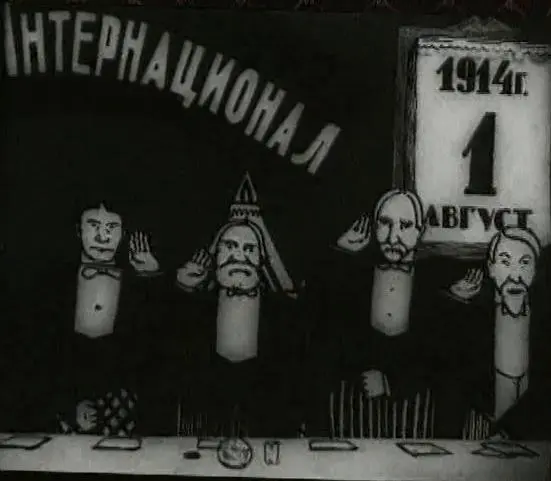
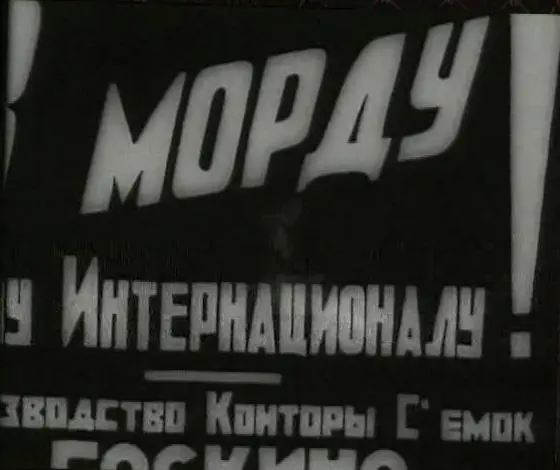
The early 20th century cinematic landscape was punctuated by works that sought to galvanize the proletariat, fostering a sense of solidarity and class consciousness. Amidst this milieu, Alexander Bushkin's 'V Mordu Vtoromu Internacionalu' emerges as a significant, if lesser-known, agitation film-poster advocating for the unity of the world proletariat.
Visual and Ideological Synopsis
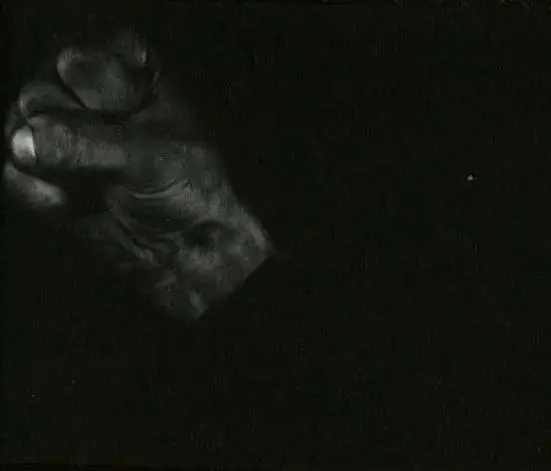
Bushkin's magnum opus, 'V Mordu Vtoromu Internacionalu', serves as both a visual and ideological cri de coeur. Through a confluence of striking imagery and impassioned rhetoric, the film-poster articulates a compelling case for proletarian solidarity. This synthesis of aesthetics and activism positions the work within a lineage of socio-politically charged cinema that includes titles such as 'From Gutter to Footlights' and 'The Girl I Loved'.
Thematic Resonance and Cinematic Devices
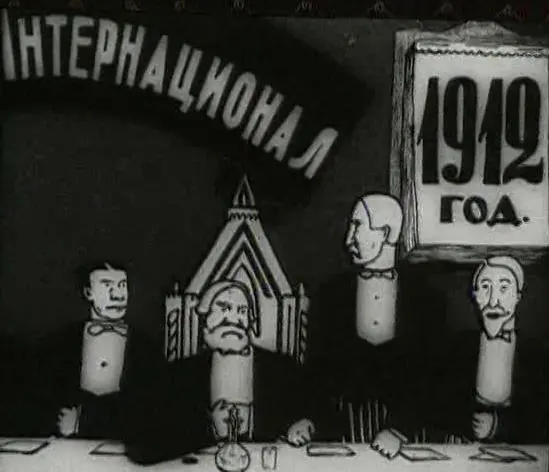
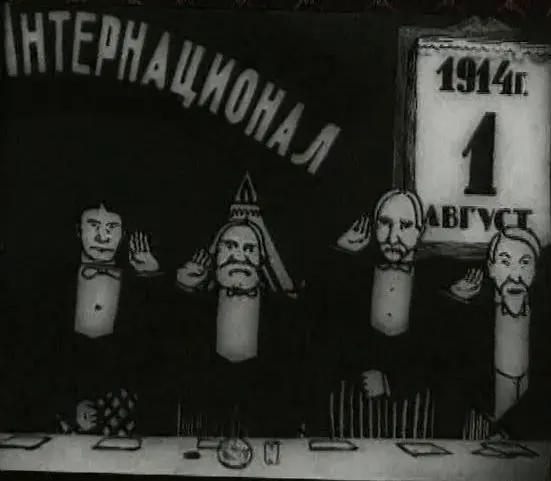
The film-poster's thematic core revolves around the imperative of unity among the proletariat. Bushkin leverages cinematic devices—such as juxtaposition, montage, and symbolic imagery—to drive home the message. The result is a visually striking and ideologically incisive work that not only espouses the cause of proletarian solidarity but also critiques the systemic inequities perpetuating class divisions.
In its use of symbolism, 'V Mordu Vtoromu Internacionalu' recalls the rich tradition of socially conscious cinema. For instance, 'Oliver Twist' utilized the eponymous character's plight to illuminate the socio-economic ills of Victorian England. Similarly, Bushkin's work employs potent symbols to underscore the universality of proletarian struggle, effectively bridging the gap between disparate worker experiences across the globe.
Comparative Analysis and Legacy
When situated alongside other films of its era, 'V Mordu Vtoromu Internacionalu' reveals a shared ethos with works like 'The Fotygraft Gallery' and 'Brigadier Gerard', albeit with a distinctly proletarian focus. This thematic affinity underscores Bushkin's contribution to a broader cinematic conversation centered on social justice and class struggle.
The film-poster's legacy, though perhaps not as widely recognized as that of 'Tess of the D'Urbervilles' or 'Kærlighedsspekulanten', is no less significant. It stands as a testament to the power of cinema as a tool for social commentary and activism. In an era where the struggle for workers' rights continues, 'V Mordu Vtoromu Internacionalu' serves as a poignant reminder of the enduring relevance of these themes.
'V Mordu Vtoromu Internacionalu' by Alexander Bushkin is a landmark agitation film-poster that eloquently advocates for proletarian solidarity. Through its compelling visual narrative and ideological depth, the work not only resonates with the cinematic traditions of its time but also offers a compelling case for the continued relevance of its themes. As such, it joins the ranks of socio-politically charged cinema that challenges viewers to reflect on the world around them and their place within it.
For those interested in the intersection of cinema and social activism, 'V Mordu Vtoromu Internacionalu' is a must-see. Its exploration of proletarian solidarity, coupled with its historical context, provides valuable insights into the power of film as a catalyst for change.

IMDb 5.6
1924
Community
Log in to comment.