DbcultAccessing Vault...
5.8/10
Senior Film Conservator
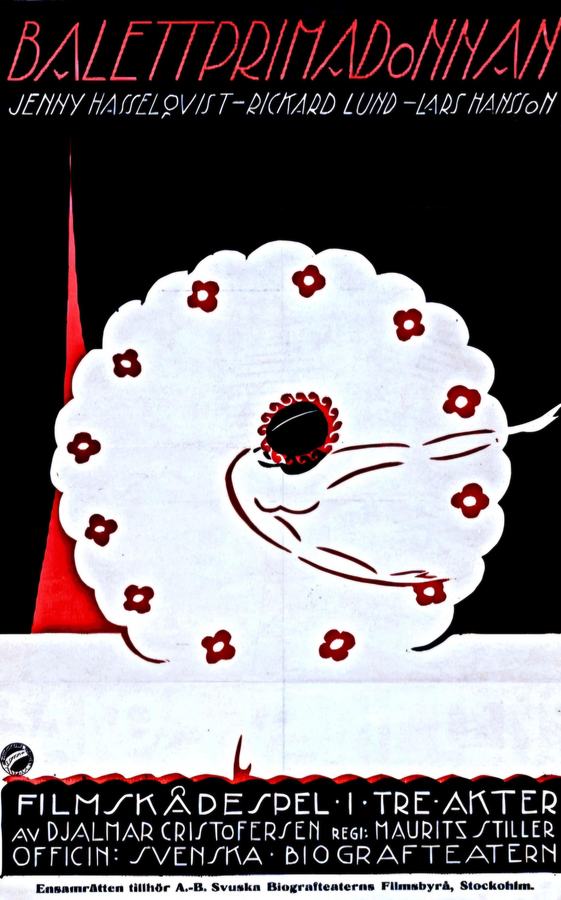
A definitive 5.8/10 rating for a film that redefined the boundaries of cult cinema. Balettprimadonnan remains a cornerstone of transgressive art.
Step back into the nascent days of cinema, to a time when narratives unfolded through the exquisite ballet of light and shadow, gesture and expression. In 1916, as the world grappled with unprecedented upheaval, Swedish cinema offered a poignant escape and a mirror to societal woes in the form of Balettprimadonnan. This cinematic artifact, a testament to the evocative power of silent storytelling, transcends its era, offering a compelling blend of melodrama, social critique, and a deeply affecting human drama. It is a film that, despite its age, continues to resonate with its exploration of love's resilience against the backdrop of exploitation and the relentless pursuit of artistic freedom.
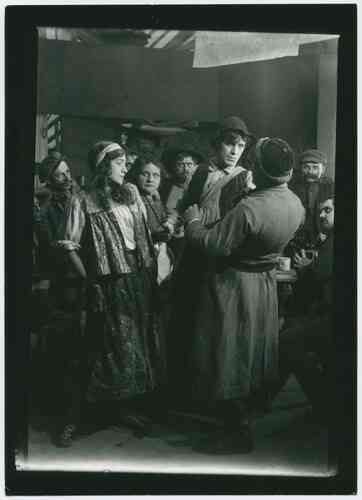
At its heart, Balettprimadonnan weaves a narrative steeped in the stark contrasts of innocence and corruption, aspiration and oppression. We are introduced to Anjuta, portrayed with heart-wrenching vulnerability and burgeoning grace by Jenny Hasselqvist, a peasant girl whose natural aptitude for dance is both her blessing and her curse. Her world is one of bucolic simplicity, yet it is shadowed by the malevolent presence of her stepmother, brought to life with chilling effectiveness by Jenny Tschernichin-Larsson. This stepmother, a veritable architect of Anjuta's misery, presides over a clandestine speakeasy, a den of iniquity where Anjuta’s burgeoning artistic spirit is systematically debased. Here, amidst the raucous laughter and drunken stupor of the clientele, Anjuta is forced to perform, her nascent ballet skills twisted into a spectacle for crude amusement. It is a profound degradation, a public stripping of dignity that underscores the film’s powerful commentary on the commodification of art and the vulnerability of the marginalized.
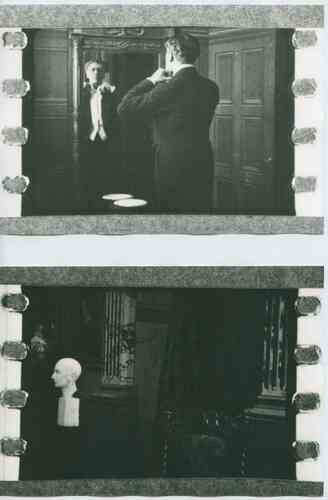
Into this grim tableau steps Wolo, the earnest musician, embodied by Carl Johannesson. His character is the quintessential romantic hero of the silent screen – earnest, morally upright, and utterly devoted. Wolo's affection for Anjuta is not merely infatuation; it is a profound recognition of her inherent purity and talent, a love that seeks to liberate rather than possess. His music, a silent counterpoint to Anjuta’s forced performances, becomes a symbol of hope, a melody of resistance against the dissonance of her circumstances. The film masterfully delineates the emotional chasm between Wolo's pure intentions and the stepmother's venal machinations, creating a compelling struggle for Anjuta's soul and future. This foundational conflict propels the narrative forward, charting a course through despair, fleeting triumphs, and the ever-present threat of ultimate defeat.
The success of any silent film hinges entirely on the expressive capabilities of its cast, and Balettprimadonnan is a luminous example of this principle. Jenny Hasselqvist, a celebrated dancer in her own right, brings an unparalleled authenticity to Anjuta. Her movements, even when constrained by the script's demands for a tavern dancer, possess an innate grace that hints at the prima donna she is destined to become. Hasselqvist's face, a canvas of subtle emotions, conveys Anjuta’s shame, her fleeting hopes, and her quiet defiance with remarkable clarity. One can feel the weight of her oppression, the silent tears behind her forced smiles, and the nascent strength that simmers beneath her delicate exterior. Her portrayal is not merely acting; it is an embodiment, a visceral communication of a young woman's struggle.
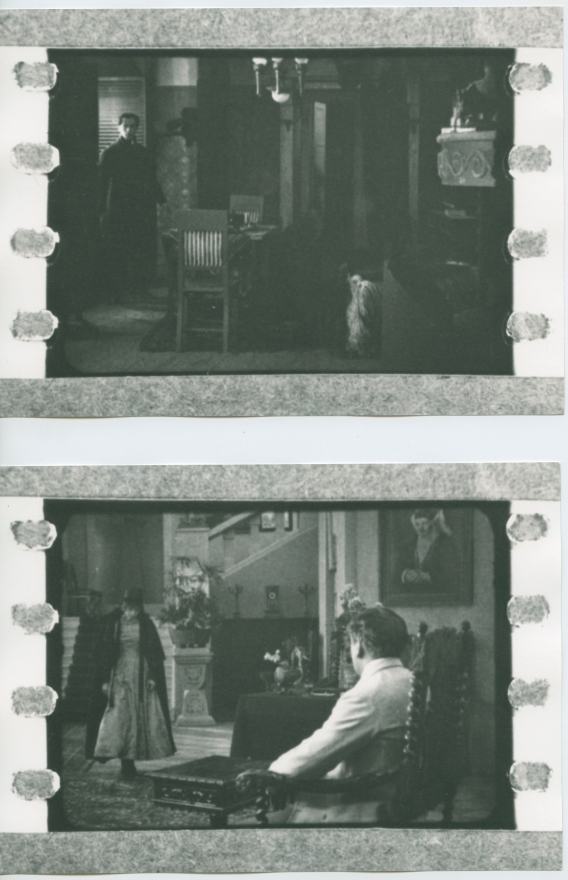
Carl Johannesson's Wolo serves as the perfect foil, his earnestness a beacon in Anjuta's dark world. Johannesson's performance is characterized by a heartfelt sincerity, his gestures conveying a deep-seated love and a desperate desire to protect. He is the steadfast hero, perhaps lacking the overt physicality of some action heroes of the era, but possessing a moral fortitude that is equally compelling. The chemistry between Hasselqvist and Johannesson, though communicated without a single spoken word, is palpable, creating a romantic arc that feels both tender and urgent. Their glances, their shared moments of despair and longing, forge an emotional connection that transcends the limitations of the medium.
No melodrama is complete without a formidable antagonist, and Jenny Tschernichin-Larsson delivers a truly memorable one in the role of the stepmother. Her performance is a masterclass in silent film villainy – every scowl, every dismissive wave of the hand, every avaricious glance speaks volumes about her cruel nature. She is not merely a plot device; she is a force of nature, a personification of the societal ills that prey upon the innocent. The supporting cast, including the likes of Richard Lund, Dagmar Ebbesen, Thure Holm, Albert Ståhl, and Lars Hanson, contribute to the rich tapestry of this world, each playing their part in establishing the atmosphere of the speakeasy and the broader community. Lars Hanson, in particular, despite a potentially smaller role, often brought a compelling intensity to his early screen appearances, hinting at the future star he would become.
Balettprimadonnan, while employing the conventions of melodrama, transcends mere sensationalism through its profound thematic explorations. The central conflict between artistic purity and commercial exploitation is strikingly relevant, even a century later. Anjuta’s dance, initially an expression of her soul, is twisted into a means of generating profit for her tormentor. This commodification of art, where intrinsic value is sacrificed for monetary gain, offers a potent critique of nascent capitalist impulses. One might draw a thematic parallel to films like The Italian (1915), which similarly explored the harsh realities faced by vulnerable populations, albeit through the lens of immigrant struggles and urban deprivation. Both films, in their distinct ways, use individual suffering to illuminate broader societal injustices.
The film also delves deeply into the theme of love as a redemptive force. Wolo's unwavering devotion to Anjuta is not passive; it is an active, driving force that empowers her and ultimately provides the impetus for her potential liberation. This portrayal of love as a catalyst for personal agency elevates the romance beyond simple sentimentality. Furthermore, the narrative implicitly comments on social stratification and the plight of the working class or those without significant means. The speakeasy itself is a microcosm of a society where the desperate seek solace and the unscrupulous profit from their vulnerability. Anjuta's journey mirrors the struggles of countless individuals trapped by circumstance, yearning for a life beyond their imposed limitations. While not as overtly a social problem film as some, its undercurrents are undeniable.
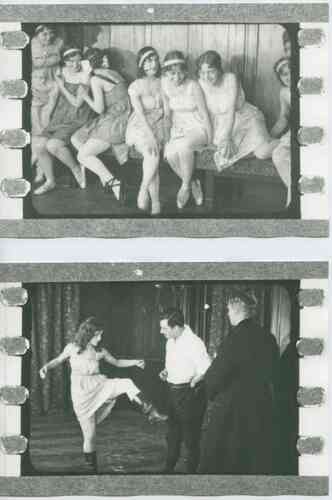
The screenplay by Djalmar Christofersen is remarkably robust, providing a clear dramatic structure that allows for both intimate character moments and grander melodramatic flourishes. The story unfolds with a natural progression, building tension effectively and delivering emotional beats with precision. The visual storytelling, characteristic of the era, relies heavily on well-composed shots and expressive intertitles to convey narrative details and character thoughts. The filmmakers demonstrate a keen understanding of how to use the camera to amplify emotion, often employing close-ups to highlight the anguish on Anjuta's face or the determination in Wolo's eyes. The contrast between the squalor of the speakeasy and the potential elegance of a ballet stage is visually striking, using set design and lighting to underscore the thematic divide.
While specific directorial credits for many early films can be fluid, the overall cinematic vision behind Balettprimadonnan is cohesive and impactful. The pacing, though deliberate by modern standards, allows the audience to fully absorb the emotional weight of each scene. The use of natural settings, contrasted with studio interiors, adds a layer of authenticity to the world portrayed. The film, like many of its contemporaries such as The Perils of Pauline (though far less sensationalist in its episodic structure), understands the power of placing a sympathetic character in escalating peril, but Balettprimadonnan grounds its dangers in more realistic, if heightened, social circumstances rather than pure adventure.
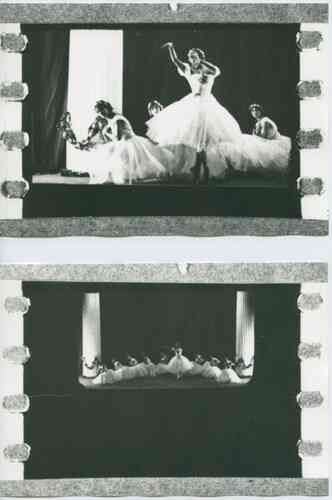
Balettprimadonnan stands as a significant piece of early Swedish cinema, showcasing the burgeoning talents of its cast and crew. It’s a film that, even a century removed, manages to evoke genuine empathy and concern for its characters. Its exploration of universal themes—love, betrayal, the struggle for self-expression, and the triumph of the human spirit—ensures its continued relevance. For enthusiasts of silent film, it offers a window into the narrative sophistication and emotional depth that was achievable without the benefit of synchronized sound. It demonstrates how early filmmakers, through careful composition, powerful performances, and compelling storytelling, could craft experiences that captivated audiences and explored complex facets of the human condition.
In an era often dominated by serials like The Million Dollar Mystery or action-packed adventures, Balettprimadonnan chose a path of emotional realism, albeit with melodramatic overtones. It's less about grand spectacles and more about the internal struggles of its protagonists. Its subtle portrayal of Anjuta's journey from a coerced performer to a potential artist of renown is particularly compelling. The film doesn't shy away from depicting the harshness of her reality, yet it infuses the narrative with an underlying current of hope, primarily personified by Wolo's unwavering dedication. This delicate balance between despair and aspiration is one of its greatest strengths.
Watching Balettprimadonnan today is an exercise in cinematic archaeology, revealing the foundational elements upon which generations of storytelling have been built. It’s a reminder that compelling drama and profound emotional resonance are not beholden to technological advancements but spring from the timeless wellspring of human experience. The film, with its stark portrayal of exploitation and its hopeful affirmation of love's power, leaves an indelible mark. It invites us to consider the sacrifices made for art, the insidious nature of greed, and the enduring strength of the human heart in pursuit of freedom and fulfillment. Its silent frames speak volumes, echoing across the decades with a message that remains as clear and potent now as it was in 1916.
A truly captivating piece of cinematic history, Balettprimadonnan is a film that deserves to be rediscovered and celebrated for its artistic merit and its enduring emotional power. It’s a testament to the fact that even in the silent era, films could achieve profound depth and resonance, leaving audiences with much to ponder long after the final frame.
IMDb —
1917
Community
Log in to comment.