DbcultAccessing Vault...
Cult Review
Senior Film Conservator
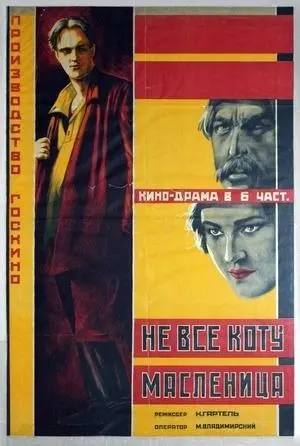
Short answer: Yes, but it requires a willingness to engage with the stark truths of a bygone era. This film is a must-watch for those interested in historical dramas and the resilience of the human spirit, particularly in dire circumstances. However, it is not for those seeking light entertainment or a feel-good narrative.
Why it works: The film excels in its raw, unflinching portrayal of life in a remote Russian village during a period of political upheaval. The performances, especially S. Likhomsky's, are deeply moving and capture the essence of a community grappling with existential challenges.
Why it fails: The film's pacing can be slow at times, and certain narrative choices may feel overly didactic. Additionally, the nomadic tribe's storyline, while interesting, sometimes feels tangential to the main narrative.
Why you should watch it: If you are looking for a film that delves into the complexities of human resilience and the impact of historical events on individual lives, this is an excellent choice. It may not offer escapism, but it provides a profound and thought-provoking experience.
Ne vse kotu maslenitsa (Not All Are Pancake Syrup) is a Russian historical drama that paints a vivid picture of life in a remote village during the early 1920s. Through the lens of the local priest, S. Likhomsky, the film explores themes of faith, survival, and the strength of the human spirit in the face of adversity. The narrative is grounded in the harsh realities of a bygone era, offering a stark and often challenging viewing experience. This review will delve into the film's strengths and weaknesses, providing a comprehensive analysis of its merits and shortcomings.
The film is set in a small, isolated Russian village during the tumultuous period following the Russian Revolution. The characters, particularly the priest and his community, are portrayed with depth and complexity. The priest, played by S. Likhomsky, is a central figure whose struggles reflect the broader challenges faced by the village. His portrayal is nuanced and moving, capturing the character's internal conflicts and external pressures. The supporting cast, including Pavel Pashkov and Anatoliy Bykov, also deliver strong performances, adding depth to the narrative.
The acting in Ne vse kotu maslenitsa is one of its strongest elements. S. Likhomsky's performance as the priest is particularly noteworthy, bringing a sense of gravitas and vulnerability to the role. His reactions and interactions with the other characters are authentic and emotionally resonant. The supporting cast, including Pavel Pashkov and Anatoliy Bykov, also deliver strong performances, adding depth to the narrative. The ensemble's chemistry is palpable, contributing to the film's overall impact.
Director's work in Ne vse kotu maslenitsa is both measured and impactful. The pacing of the film is deliberate, allowing the audience to fully immerse themselves in the story and the characters' struggles. The cinematography, by Pavel Pashkov, is striking, capturing the stark landscapes and the emotional nuances of the characters. The use of natural lighting and wide-angle shots effectively conveys the isolation and harshness of the setting, enhancing the film's overall atmosphere.
The pacing of the film can be slow at times, which may not suit all viewers. However, this deliberate approach serves the narrative well, allowing for a deep exploration of the characters' inner lives and the broader societal context. The tone of the film is somber and reflective, reflecting the gravity of the historical events and the personal struggles of the characters. While this approach may not be to everyone's taste, it contributes to the film's emotional impact.
Ne vse kotu maslenitsa is a film that requires a certain level of engagement and emotional investment. It is not for those seeking light entertainment or a feel-good narrative. However, for those interested in historical dramas and the resilience of the human spirit, it offers a profound and thought-provoking experience. The performances, particularly S. Likhomsky's, are deeply moving, and the film's exploration of faith, survival, and community is both challenging and rewarding.
Ne vse kotu maslenitsa is a film that offers a profound and thought-provoking experience for those willing to engage with its challenging narrative and somber tone. The performances, particularly S. Likhomsky's, are deeply moving, and the film's exploration of faith, survival, and community is both challenging and rewarding. While it may not be for everyone, it is a must-watch for those interested in historical dramas and the resilience of the human spirit in the face of adversity.
IMDb 6.5
1928
Community
Log in to comment.