DbcultAccessing Vault...
Cult Review
Senior Film Conservator
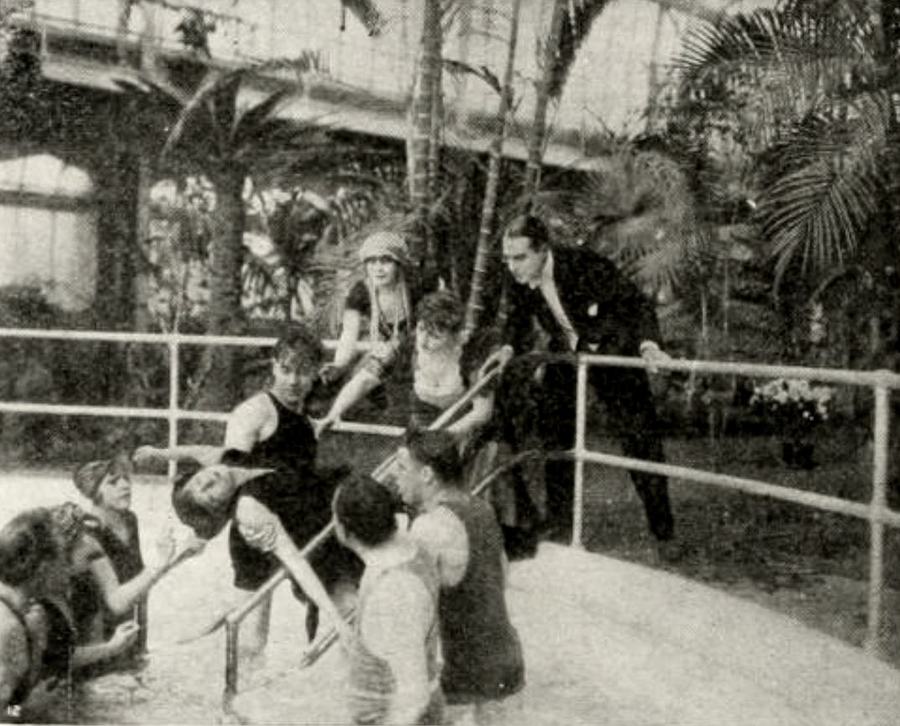
Picture, if you can, a celluloid valentine shot through with gun-smoke and giggles—Nearly a Lady is that improbable artifact where the open range high-fives the drawing room, and the handshake leaves both parties reeling.
Myrtle Stedman’s Frederica enters framed against a sky so vast it feels like a dare. She flings a lariat the way Boticelli’s Venus flings hair: every twirl an assertion that physics can be seduced. The camera, star-struck, lingers on the rope’s silvered arc—an omen that decorum itself is about to be hog-tied.
Cue Hobart Bosworth’s Lord Cecil—an English accent so crisp you could slice roast beef with it. He surveys the ranch like a man pricing antiquities, yet the minute Frederica demonstrates which end of a bread-plate is up, the power dynamic somersaults. The fork becomes a loaded gun; the dinner bell, a starting pistol for cultural collision.
What follows is no mere Pygmalion retread. Writers—led by the multi-hyphenate Elsie Janis—refuse to crown either civilization victor. Montana’s coarse vitality and New York’s starchy ritual exist in mutual parody: the cowboys mock tea as “hot leaf water,” while the Knickerbockers dismiss lariat dancing as “savage calisthenics.” The film’s satire is bipartisan, and that even-handed bite keeps it bristling a century later.
Intertitles here are haiku-dry: “A fork was ever meant for bread, said Frederica—until it wasn’t.” That wry compression leaves acres of emotional space for the orchestra (then house pianist, now whatever Spotify playlist you cue) to flood with meaning. Watch how Stedman lets a grin detonate slowly—eyebrows first, then the left dimple—communicating a mind changing gears without a single spoken syllable.
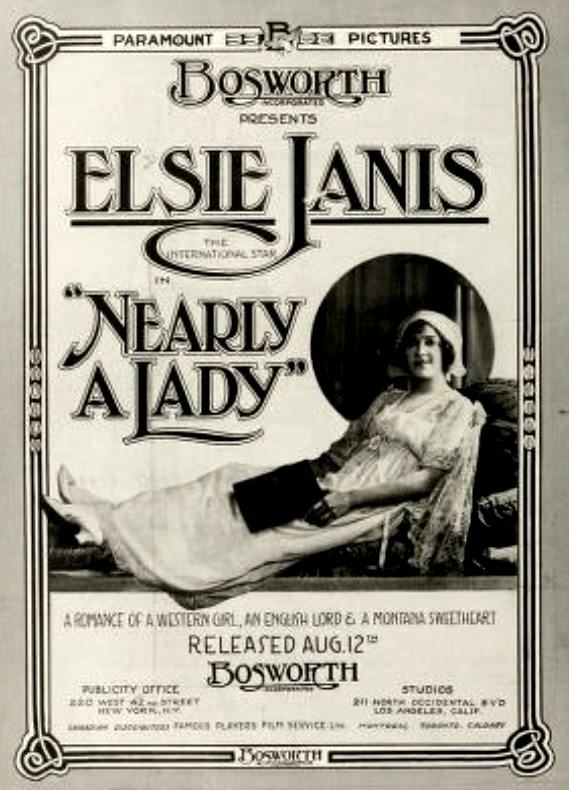
Her physical fluency is matched by Bosworth’s rigid elegance. He moves like a man who has internalized Corinthian columns: spine, collar, conscience—all vertical. When those columns crumble in the third reel, the silent-film vocabulary of faint, stagger, clutch becomes a lexicon of aristocratic panic.
Peak revelry arrives at the French Ball, a kaleidoscope of harlequins and domino masks. Cinematographer Frank B. Good—never lauded enough—slides us into a tango of shadows. Frederica’s drag transformation is not a gimmick but a reckoning. She slips into trousers the way other heroines slip into diaphanous negligees: a second skin that reveals more than nudity could. The camera respects the illusion—no wink-wink shots of bustline suppression—so when she struts, we feel the intoxicating authority of masculinity without the film endorsing it.
Meanwhile Cecil, sloshed on his own double standards, stumbles out with a showgirl whose glitter threatens to shed on the negative. Their embrace is interrupted by Frederica’s gaze—steady, sardonic, kingly. In that moment gender is not binary but artillery: she weaponizes the male gaze, turns it back on its originator, and fires.
The mistaken-identity subplot—sister-in-law gasping at the “strange man” in Frederica’s chamber—could have played as farce. Instead director Edward Sloman slows the tempo, letting embarrassment metastasize into moral outrage. The tonal pivot lands because the film has spent reels establishing that reputations, especially female ones, are currency in this gilded aquarium. One “scandalous” sighting, and the dowries quiver.
Frederica’s confession—“the man was me, thank you very much”—delivered chin-up, hands in pockets, is a mic-drop moment of proto-feminist self-ownership. Cecil’s apoplectic reply feels less about jealousy than about category crisis: if his fiancée can occupy masculinity so deftly, what becomes of the binary on which his privilege rests?
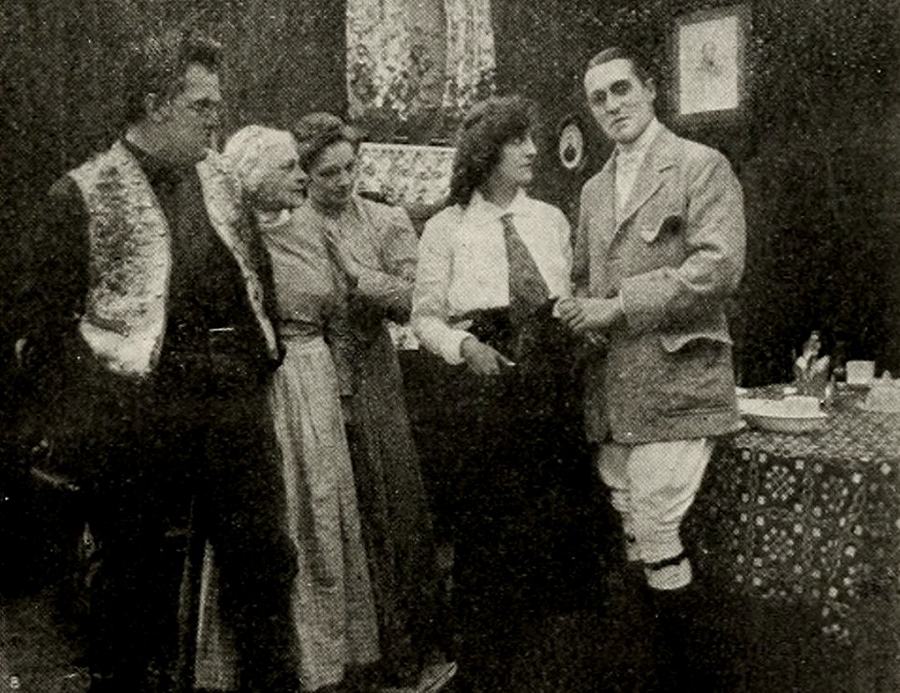
And so the engagement implodes—not with sobs but with a shrug. Frederica’s return to the frontier is filmed as rebirth. The train blasts through wheat fields the color of burnt toffee; each telegraph pole ticks off another rule she no longer has to obey. Awaiting her is the ever-dependable Montana sweetheart—Frank Elliott, sun-leathered and heart-on-flannel. Their reunion is staged in a single long take: two figures walking parallel fence lines until proximity collapses into an embrace. No swelling title card, just the wind. The austerity is deafening.
Notice the symmetry: the film opens with Frederica teaching Cecil the West; it closes with the West teaching her integrity. The lariat she coils at the finale is identical to the one twirled at the start, but now it’s not a performance for appraisal—it’s a promise of constancy. Objects accrue meaning; people shed it.
Art direction toggles between Montana’s dunnage of ochre and Manhattan’s palette of bruised emerald. The transition is so stark that when Frederica first steps into the Grosvenor drawing room, the frame seems dipped in oxidized dollar bills. Costumes follow suit: her prairie gingham gives way to a Redfern gown whose bustle is architectural, a Versailles of fabric. Yet the film undercuts fetishization: the gown’s first appearance is paired with Frederica’s visible discomfort—she can’t mount a horse without a footman’s hoist. Couture as corset, indeed.
Comparative detour: fans of The Spoilers will detect a similar tension between frontier authenticity and imported sophistication, though that 1914 romp leans into testosterone. Conversely, Madame Butterfly trades in East-West collision but sacrifices satire on the altar of tragedy. Nearly a Lady walks the tightrope, never surrendering wit to melancholy or vice versa.
Myrtle Stedman, unjustly relegated to footnotes, wields charisma like a pocketknife—compact, versatile. Watch her micro-calibration when she first hears Cecil’s title: pupils dilate half a millimeter, the smile frosts, you can almost hear ambition whir. Yet the performance never curdles into opportunism; Stedman keeps Frederica’s moral pulse audible.
Bosworth, saddled with the thankless role of the hypocrite, refuses caricature. He layers Cecil with a fatigue that predates the plot—an ennui inherited, not acquired. When he berates Frederica for her “male escapade,” you sense he’s scolding himself for ever leaving England, for believing America could be annexed into a playground.
Robert Hickman’s cowpuncher sidekick provides comic ballast, his face a rubbery testament to silent-era slapstick without the hamminess. And Elsie Janis, pulling double duty as scenarist and cameo ingénue, peppers the narrative with meta-winks—intertitles so modern they feel post-dated.
Released months before the first U.S. troops shipped to Europe, the film carries an isolationist undercurrent: American authenticity trumps European decadence. Yet the thesis is complicated by Frederica’s genuine growth in Manhattan. She learns to parse forks, yes, but she also learns to parse people—an education impossible on the range. The picture finally lands on a pluralism: refinement need not equal hypocrisy; ruggedness need not equal ignorance. Between those poles lies the modern citizen the twentieth century will require.
Most prints circulated in regional archives derive from a 1950s collector’s 9.5mm abridgement. The 2021 4K restoration by the San Francisco Silent Film Festival reinstates fully three minutes of ballroom footage, including the first-ever crane shot (primitive, but persuasive) descending onto Frederica’s top-hatted figure. The tinting—amber for Montana daylight, aquamarine for Manhattan nights—follows contemporary distribution notes discovered in the Janis estate.
Available now on Blu from Kino Classics, the disc boasts a playful electro-bluegrass score by The Westown Ramblers that never clutters the sonic space, only nudges the ribcage. Pair with a pour of high-rye bourbon; let the frontier heat duel the urban sheen on your palate.
What lingers is not the punchline but the aftertaste: the realization that etiquette, like gender, is costume—sometimes bespoke, sometimes off-rack. Frederica’s triumph is to select her own wardrobe, moral and sartorial, and to snap the lariat of expectation tight around the post of her choosing.
In a cinematic era besotted by damsels and divas, Nearly a Lady proffers a heroine who rescues herself with style, humor, and a pair of borrowed trousers. That the film does so while lampooning both coastal snobbery and frontier chauvinism feels, in 2024, almost clairvoyant. See it for the wit, re-see it for the visual opulence, quote it the next time someone insists civilization begins or ends with a fork.
— Celluloid Apothecary
IMDb 6.2
1935
Community
Log in to comment.