DbcultAccessing Vault...
6.8/10
Senior Film Conservator
A definitive 6.8/10 rating for a film that redefined the boundaries of cult cinema. Chicken Dressing remains a cornerstone of transgressive art.
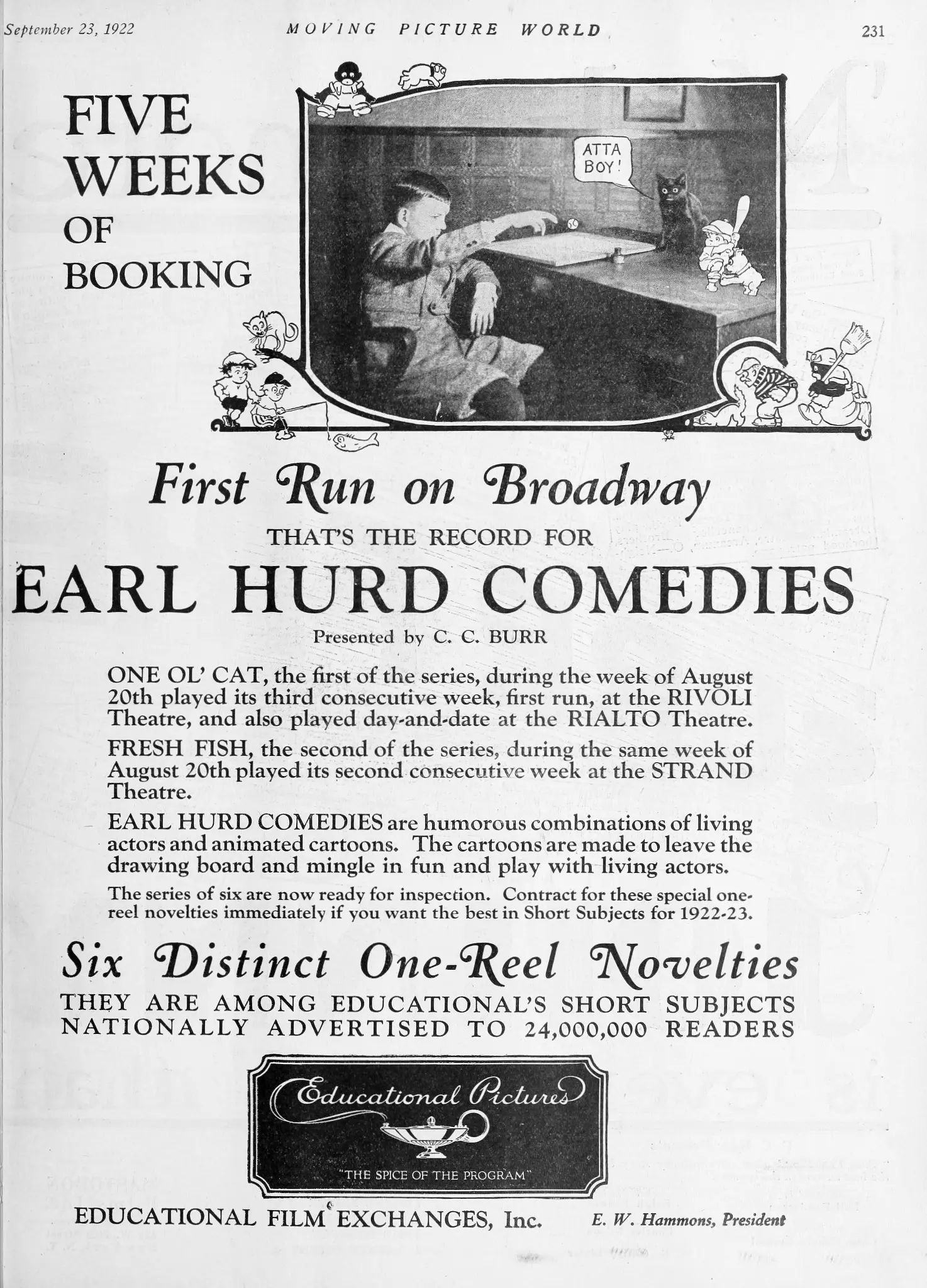
Stepping back into the nascent years of cinematic artistry, one encounters 'Chicken Dressing,' a delightful and surprisingly sophisticated animated short from 1917, helmed by the visionary Earl Hurd. This film isn't merely a historical curiosity; it's a vibrant testament to the burgeoning creativity that characterized early animation, a period of relentless experimentation and boundary-pushing. Hurd, a pivotal figure in the development of cel animation alongside John Randolph Bray, crafts a narrative that is both charmingly simple and remarkably meta, offering a fascinating glimpse into the very act of creation itself.
The premise is deceptively straightforward: a young boy, with an artist's earnest focus, is engrossed in drawing cartoons, his inspiration drawn from a collection of live animal models. This ingenious setup immediately establishes a playful dialogue between the real and the imagined, a foundational conceit that 'Chicken Dressing' exploits with considerable wit. Among his living muses, a particularly mischievous chick emerges as the central disruptive force. This tiny creature, brimming with an unbridled, almost anarchic energy, becomes the catalyst for much of the film's humor, its live-action antics spilling over into the animated world the boy is painstakingly bringing to life. It’s a brilliant stroke of early cinematic self-awareness, predating more overt meta-narratives by decades, showcasing the sheer novelty and wonder of animation as a medium capable of transforming reality.
Hurd's signature character, Bobby Bumps, takes center stage in the boy's animated universe. Bobby, a diminutive firefighter, is accompanied by his faithful canine companion, Fido. Their adventures, born from the boy's pen and animated through Hurd's pioneering techniques, involve tackling a blaze, a common trope in early cinema, yet rendered fresh by the very medium. The interplay between the animated Bobby and Fido and the real-world chick is where the film truly shines. We witness the chick's live-action mischief directly influencing the cartoon's progression, a delightful blurring of lines that keeps the audience engaged and constantly aware of the film's clever construction. This innovative blend of live-action and animation was groundbreaking, a technique that would be refined and revisited by countless animators in the decades to follow, from Max Fleischer to Walt Disney.

The technical aspects of 'Chicken Dressing' are, for its time, nothing short of revolutionary. Earl Hurd's adoption and refinement of cel animation allowed for a fluidity and complexity previously unattainable with traditional paper cut-out or chalkboard animation. The ability to reuse backgrounds while animating only the moving elements on transparent cels dramatically improved efficiency and visual quality. This film serves as a compelling demonstration of these advancements. The animation, while simplistic by modern standards, possesses a charming vitality. Bobby Bumps moves with a jaunty confidence, and Fido is an expressive, loyal sidekick. The cartoon sequences are peppered with visual gags and physical comedy that remain endearing, a testament to the timeless appeal of well-executed slapstick.
Beyond its technical merits, 'Chicken Dressing' offers a profound, albeit perhaps unintentional, commentary on the creative process itself. The boy's studio, with its array of live animals, is a metaphor for the artist's engagement with the world, transforming observation into imaginative narrative. The unruly chick symbolizes the unpredictable nature of inspiration, the way external elements can both derail and enrich the creative flow. This meta-narrative layer elevates the film beyond mere entertainment, inviting reflection on the very act of storytelling and image-making. It’s a playful exploration of how reality informs art, and how art, in turn, reflects and distorts reality.
When one considers the broader cinematic landscape of 1917, 'Chicken Dressing' stands out as a unique offering. While audiences were captivated by dramatic narratives in films like The Unpardonable Sin, exploring moral quandaries, or the burgeoning Western genre exemplified by West of the Rio Grande, offering escapist adventures, Hurd's film presented a different kind of spectacle. It wasn't about epic sagas or thrilling mysteries like The Silent Witness; it was about the sheer magic of bringing drawings to life. This novelty was a significant draw, demonstrating the diverse capabilities of the nascent film industry. While other films pushed the boundaries of narrative complexity or dramatic intensity, 'Chicken Dressing' was quietly, yet profoundly, pushing the boundaries of visual storytelling itself.

The humor in 'Chicken Dressing' is largely physical and situational, stemming from the chick's antics and Bobby Bumps's exaggerated reactions. The climax, where Bobby Bumps, in a surprising twist, ends up in a hospital, is a clever subversion of expectations. It injects a touch of unexpected vulnerability into the animated hero, a moment of gentle irony that adds another layer to the film's comedic appeal. This willingness to play with the conventions of heroic narratives, even in a short animated piece, speaks to Hurd's inventive spirit. It reminds us that even early cinema, often viewed through a lens of quaint simplicity, possessed a sophisticated understanding of comedic timing and narrative surprise.
The pacing of 'Chicken Dressing' is brisk and efficient, a hallmark of early short films designed to captivate audiences quickly. There are no wasted frames; every action, every gag, contributes to the overall momentum. This economy of storytelling is something modern filmmakers could still learn from. In an era where even feature-length films like Krigsmillionæren or Tovarishch Abram were still experimenting with narrative duration and structure, 'Chicken Dressing' carved its niche through focused, impactful brevity. It understood that sometimes, less is indeed more, especially when the novelty of the medium itself is a significant part of the attraction.
Earl Hurd's influence cannot be overstated. His work on the 'Bobby Bumps' series, and 'Chicken Dressing' in particular, solidified many of the techniques that would become standard in animation production. He helped lay the groundwork for the animated features and shorts that would dominate cinema screens for decades. Without pioneers like Hurd, the animated wonders we take for granted today might have taken a very different path. His innovative spirit is palpable throughout this film, a sense of discovery and delight in the possibilities of the moving image.

The charm of 'Chicken Dressing' lies not just in its historical significance but in its enduring watchability. It remains genuinely entertaining, a testament to the universal appeal of playful chaos and inventive storytelling. The interaction between the animated characters and the live-action elements is executed with such a light touch that it never feels forced or gimmicky, but rather an organic extension of the boy's creative world. It's a film that speaks to the child within us, who marvels at drawings coming to life, and to the cinephile, who appreciates the foundational experiments that built the cinematic language we now speak.
Comparing it to other films of its era, one finds 'Chicken Dressing' occupying a unique artistic space. While serials like Beatrice Fairfax Episode 7: A Name for a Baby offered episodic suspense and adventure, and dramas such as Rose of the South explored human emotions, 'Chicken Dressing' was pioneering a completely different form of narrative. It was less about portraying human drama and more about the spectacle of creation and the whimsical possibilities of animation. It shares with these films, however, the pioneering spirit of early cinema—the drive to explore what the moving image could achieve, whether through complex human narratives or through the simple, yet profound, magic of animated drawings.
The film's impact on subsequent animation is undeniable. The 'Bobby Bumps' series, of which 'Chicken Dressing' is a notable entry, helped popularize the medium and establish key stylistic and technical conventions. It showed audiences the potential of animation not just for short gags but for developing recurring characters and ongoing narratives. This sense of continuity and character development, even in a short format, was vital for the growth of the animation industry. It laid groundwork that would be built upon by later animation giants, showcasing how a simple concept, executed with ingenuity, could yield enduring artistic results.

In conclusion, 'Chicken Dressing' is far more than a relic of a bygone era. It is a vibrant, inventive, and historically significant piece of cinema that continues to charm and impress. Earl Hurd's genius for blending live-action and animation, his creation of memorable characters like Bobby Bumps, and his playful exploration of the creative process make this film a cornerstone of early animation. It reminds us of a time when cinema itself was a grand experiment, and every new film, especially one as innovative as 'Chicken Dressing,' was a step into uncharted territory. It's a delightful viewing experience for anyone interested in the roots of animation or simply a good, old-fashioned chuckle. It stands as a testament to the power of imagination and the enduring appeal of bringing drawings to life, a small film with a colossal legacy in the annals of cinematic history.
This film, much like other pioneering works such as In the Good Old Days, which might have evoked nostalgia for a simpler time, or action-packed shorts like Go Get Him, which aimed for immediate thrills, contributed to the rich tapestry of early cinema by offering something fundamentally distinct. Its unique blend of forms and its self-referential humor made it a standout, proving that animation could offer not just escapism, but also intelligent commentary on the nature of art itself. The simplicity of its premise belies the depth of its creative ambition and its lasting impact on the medium. It's a foundational text for understanding how animation evolved from a novelty to a sophisticated art form, demonstrating the sheer ingenuity of its early practitioners.
The character of Bobby Bumps, while not as globally recognized as some later animated icons, holds a significant place in the pantheon of early cartoon stars. His adventures, including the one depicted in 'Chicken Dressing,' established a template for the plucky, resilient hero who faces absurd challenges with unwavering determination. This archetype, refined over decades, can be seen influencing everything from the heroic cowboys in The False Trail to the determined protagonists in more dramatic fare like Satana or The Fatal Night. While their genres and stakes differed wildly, the core idea of a central figure driving the narrative forward, overcoming obstacles, was a universal appeal that Hurd tapped into with his animated creation. The film’s capacity to elicit genuine amusement and admiration even today speaks volumes about its timeless quality and the enduring power of its simple, yet profoundly effective, storytelling. It remains a vibrant beacon of early cinematic innovation, a delightful reminder of where the magic of animation truly began.
IMDb —
1920
Community
Log in to comment.