DbcultAccessing Vault...
Cult Review
Senior Film Conservator
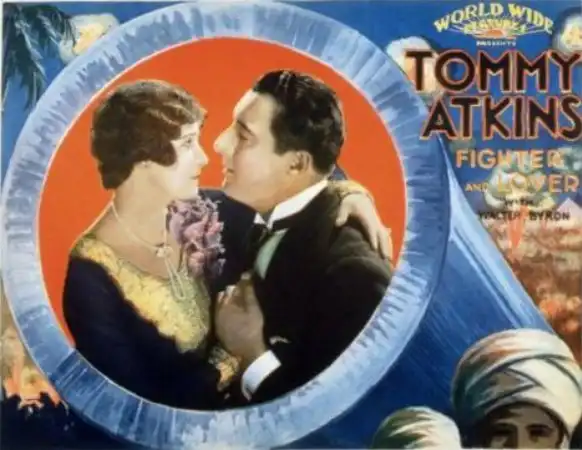
If you have a high tolerance for the specific brand of 'noble sacrifice' that drove 1920s British cinema, Tommy Atkins is worth a look. It’s not a masterpiece, and honestly, most people will find the pacing a bit of a slog, but it’s a fascinating relic for anyone who likes seeing how the silent era handled massive tonal shifts. If you’re looking for a tight war drama, you’ll probably hate the first forty minutes of church-based pining.
Walter Byron plays Harold, the cleric. He has this very specific way of looking pained that feels like he’s trying to remember if he left the stove on. When he finds out his brother is with the girl he loves, the decision to enlist feels less like a patriotic duty and more like a very dramatic way to avoid an awkward Sunday dinner. The costume change from the clerical collar to the uniform is the most energized the movie gets in the first half.
There is a scene early on where the lighting is just... off. It’s supposed to be a tender moment, but the shadows make everyone look like they’re in a different movie. It reminded me a bit of the heavy-handed atmosphere in The Devil's Garden, but without the consistent gloom. Here, it just feels like the cinematographer and the director weren't speaking that day.
Lillian Hall-Davis is the real reason to watch this. She has a way of reacting to the men in the room that feels much more modern than the rest of the production. While the guys are doing 'Big Acting' with their chests puffed out, she’s just there, existing, and she carries the emotional weight of the love triangle better than the script deserves. There’s a tiny moment where she watches Harold leave, and the camera stays on her for just a few seconds too long—it’s the only time the movie actually feels sad rather than just busy.
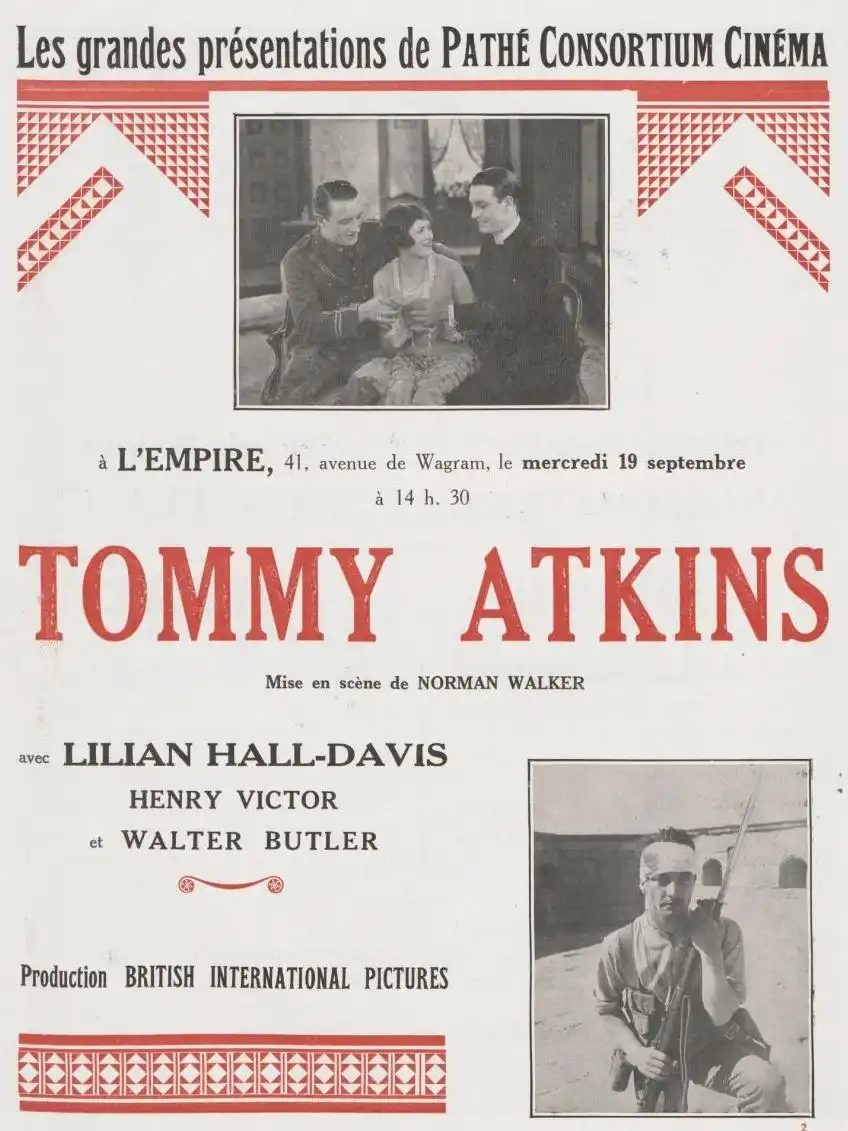
The war sequences are... fine. You can tell they had a decent budget for the extras, but the editing is choppy. One minute they’re in a trench, the next there’s a rescue, and it all happens with the kind of frantic energy that makes it hard to tell who is saving whom. It lacks the grit of something like Riddle Gawne, though obviously that’s a different genre entirely. It just feels sanitized.
And then there’s the 'secret Earl' twist. It’s such a tired trope, even for 1928. The movie basically stops being a war story and turns into a genealogy lecture for a few minutes. It’s handled with zero subtlety. One character basically walks in and says, 'Oh, by the way, you’re royalty.' It’s a classic case of a movie not knowing how to end, so it just gives the protagonist a trophy for existing.
I noticed a background extra in the barracks scene who looks genuinely confused about where he’s supposed to stand. He walks into frame, stops, looks at the camera, and then sort of shuffles backward. I love stuff like that. It breaks the illusion, but it makes the whole thing feel more human.
The chemistry between Byron and the rest of the cast is hit or miss. He’s much better in the action beats than he is at the romance. When he’s supposed to be looking longingly at his sweetheart, it comes across as a bit stiff. It’s not quite as wooden as some of the performances in At the Mercy of Men, but it’s close.
Overall, it’s a movie of three parts that don’t quite fit together. Church drama, war heroics, and aristocratic reveal. It’s messy, but the location shots and Hall-Davis make it a decent way to spend ninety minutes if you’re already a fan of the era.
IMDb —
1924
Community
Log in to comment.