DbcultAccessing Vault...
Cult Review
Senior Film Conservator
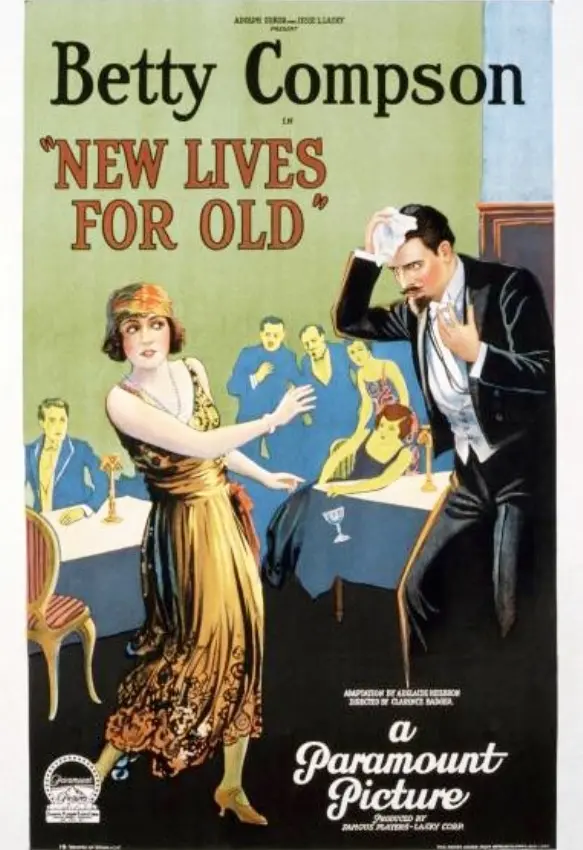
Step back into the tumultuous year of 1918, a period when the world teetered on the brink of profound change, and cinema, still in its nascent, silent form, served as a powerful mirror to human experience. It is within this historical crucible that Frank Lloyd's (though uncredited in some records, his directorial vision is palpable) 'New Lives for Old' emerges, a compelling narrative that transcends its era, weaving a tapestry of identity, sacrifice, and the relentless pursuit of truth. This isn't merely a film; it's a social commentary, a spy thriller, and a poignant romance, all rolled into a visually rich, emotionally resonant package. As we delve into its depths, we discover a story that, despite its century-old vintage, still speaks volumes about the complexities of human nature and societal judgment.
Our journey begins in the vibrant, yet war-shadowed, heart of Paris, where Olympe (played with captivating versatility by Betty Compson) shines as a cabaret dancer. Her life, a whirlwind of spotlights and appreciative gazes, embodies a certain freedom, perhaps even a defiant joy amidst the encroaching gloom of the Great War. Yet, beneath the veneer of gaiety, one senses a yearning for something more, a desire to escape the confines of her public persona, if only for a brief reprieve. This longing propels her to seek solace in the pastoral tranquility of her aunt's Normandy farm. It is here that Olympe undergoes her first significant transformation, shedding the sequined gowns and bold makeup for the simple, unassuming attire of a peasant girl. This deliberate act of disguise is more than just a costume change; it's a symbolic shedding of identity, an attempt to embrace a simpler, perhaps purer, existence away from the scrutinizing eyes of Parisian society.
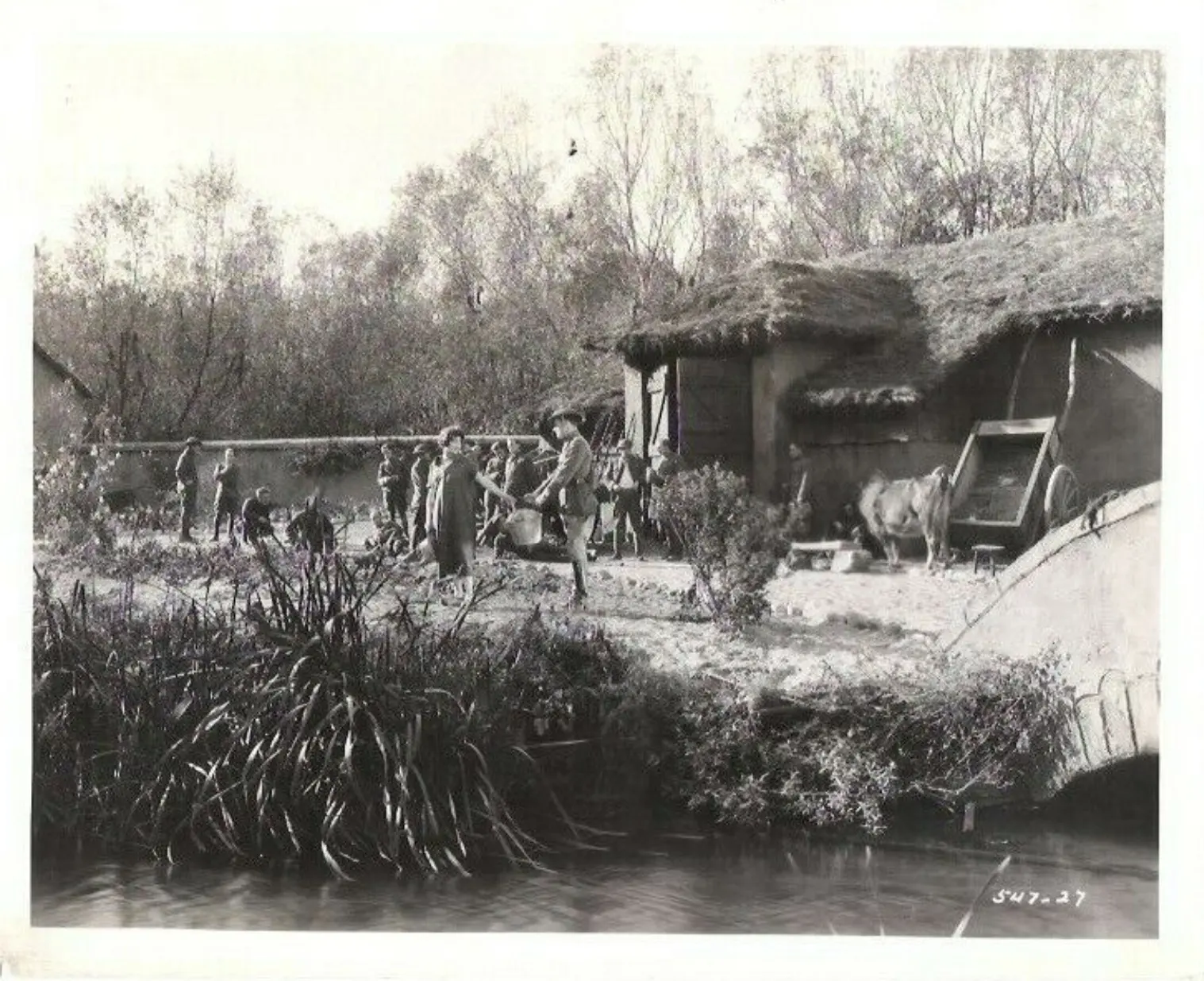
In this idyllic setting, serendipity intervenes in the form of Captain Hugh Warren (Wallace MacDonald), a dashing officer of the American Expeditionary Force. Their encounter is a classic cinematic romance, blossoming against the backdrop of war-torn Europe, yet shielded by the farm's serene beauty. The allure lies in the authenticity of their connection, forged not under the dazzling lights of a cabaret, but in the quiet intimacy of shared moments and genuine affection. Olympe, as the 'peasant girl,' finds love untainted by her past, and Hugh, in turn, is captivated by her unadorned charm. Their engagement marks a hopeful interlude, a promise of a future beyond the conflict. However, the shadow of war is long and inescapable. Hugh's inevitable departure for the front shatters their blissful cocoon, leaving Olympe with a heart full of both love and apprehension, and a lingering question of where her true identity now lies.
The war's relentless grip pulls Olympe back to Paris, but not to her former life of entertainment. Instead, she is drawn into the clandestine world of the French Secret Service. This recruitment signifies a profound shift, transforming her from a passive observer of war's impact into an active participant. Her mission: to infiltrate the circles of De Montinbard (Sheldon Lewis), a shadowy figure suspected of treasonous collaboration with the Germans. This task demands a return to her old 'charms,' a re-embracing of the very persona she had sought to shed. It's a morally complex situation; to serve her country, Olympe must once again don the mask of the alluring cabaret dancer, using her wit and beauty as tools of espionage.
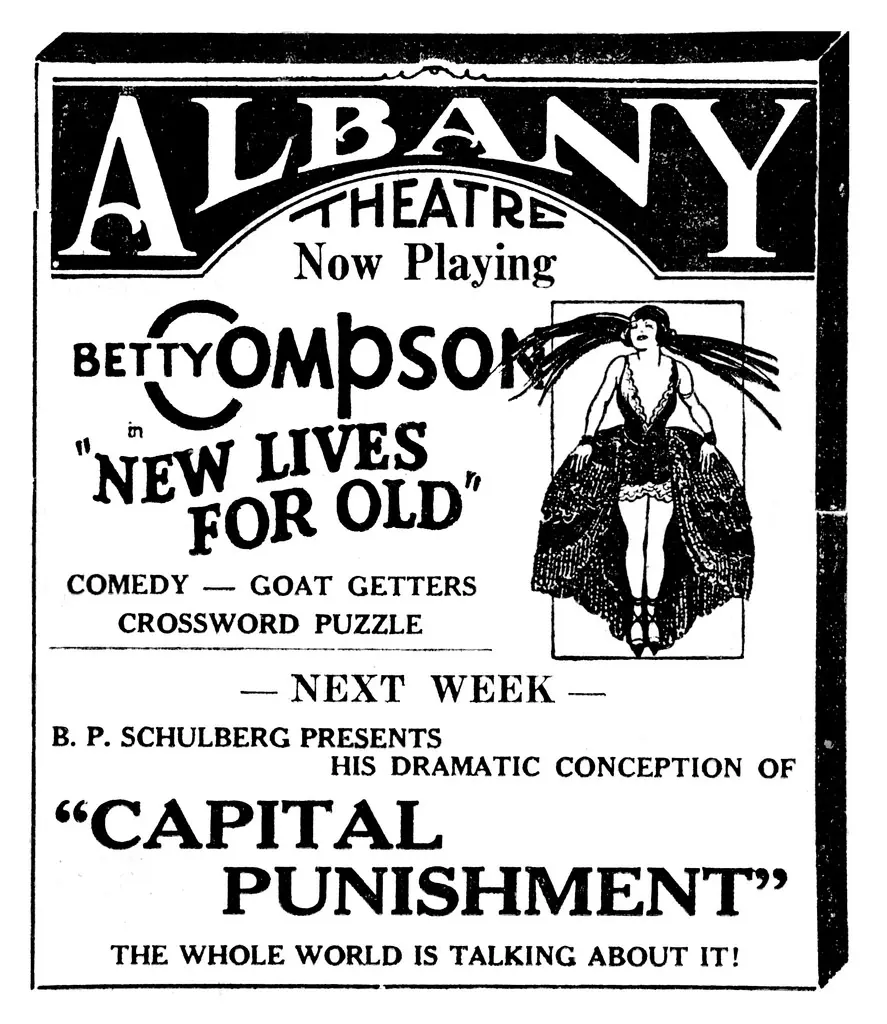
The tension during these sequences is palpable, a testament to the silent film's ability to convey suspense through masterful staging and intense performances. Olympe's meticulous work pays off; she successfully obtains damning proof of De Montinbard's guilt. Yet, the victory is bittersweet, for the villain, with a theatrical flourish characteristic of the era's antagonists, manages to escape, leaving a trail of unresolved danger. The true tragedy, however, unfolds not in the chase, but in the aftermath. The Parisian public, privy only to the superficial optics of Olympe's association with a suspected traitor, condemns her outright. She becomes a pariah, despised and ostracized, her noble sacrifice tragically misinterpreted as disloyalty. This public scorn is a crushing blow, a stark reminder of the fragile line between perception and reality, and the heavy price of unsung heroism.
In a desperate bid to protect her and to preserve the integrity of their operations, the war ministry devises a drastic solution: a fictitious death. This orchestrated demise is Olympe's most profound transformation yet, severing her from her past with a finality that is both liberating and heartbreaking. She is reborn as 'Betty,' a name devoid of history, a blank slate upon which a new life can be written. This narrative device, while perhaps melodramatic by modern standards, perfectly captures the silent era's flair for high-stakes drama and the thematic weight of reinvention. It echoes the profound sacrifices demanded by wartime, where personal identities were often subsumed by national imperatives. One might draw parallels to the themes of hidden identities and wartime subterfuge explored in films like I Will Repay, where characters often operate under aliases to achieve their goals, though 'New Lives for Old' imbues its protagonist's deception with a tragic public cost.
The newly minted Betty, carrying the weight of her past identities and the secret of her 'death,' finally marries Hugh in the quiet solace of her aunt's Normandy home. This moment, free from the prying eyes of Parisian society, is a testament to the enduring power of their love, a beacon of hope against the backdrop of war's end. Their journey across the Atlantic to the United States symbolizes a fresh start, a chance to build a life untainted by European conflicts and Olympe's complicated history. Yet, the American dream, as presented here, is not without its own set of challenges. Hugh's aristocratic mother, a formidable figure embodying the rigid class distinctions of the era, views her son's 'peasant bride' with undisguised disapproval. This societal friction introduces another layer to Olympe's struggle for acceptance, highlighting that even in a 'new world,' old prejudices persist.
This clash of social strata is a recurring motif in cinema, particularly in the silent era, reflecting the anxieties of a rapidly changing world. Olympe's fight for acceptance by Hugh's family is as challenging as her wartime espionage, perhaps even more so, as it strikes at the heart of her personal worth and identity. The film subtly critiques the superficiality of social judgment, demonstrating how perceived origins can overshadow genuine character. One might consider the similar thematic undercurrents in The Winchester Woman, where a woman's past and societal standing dictate her present struggles and search for belonging. Betty's quiet dignity in the face of her mother-in-law's snobbery is a powerful statement, showcasing her resilience and the strength of her character, qualities forged in the fires of espionage and public condemnation.
Just as it seems Olympe, now Betty, might finally find peace and full acceptance within her new life, the past, with its cruel and relentless grip, rears its head. De Montinbard, the elusive traitor, reappears in the United States, operating under an alias, a ghost from a life Olympe had meticulously buried. The moment of recognition is fraught with tension, masterfully conveyed through the heightened expressions and subtle gestures characteristic of silent film acting. It's a chilling reminder that even the most carefully constructed new lives can be shattered by the specters of yesteryear.
The confrontation is the film's dramatic crescendo, a powerful scene where all of Olympe's carefully guarded secrets are laid bare. With audacious courage, she denounces De Montinbard as a spy, fulfilling a duty she thought long completed. However, he retaliates with equal venom, exposing her former identity as the notorious Parisian cabaret dancer. This public revelation is devastating, stripping away Betty's hard-won respectability and once again casting her into the shadow of scandal. Hugh's family, already skeptical, is plunged into confusion and renewed disapproval. It's a moment of profound vulnerability for Olympe, as her heroic past is twisted into a source of shame.
Yet, this nadir is swiftly followed by vindication. The timely intervention of French agents, who apprehend De Montinbard, finally brings justice to the forefront. The truth, once obscured by wartime secrecy and public misunderstanding, is unequivocally revealed. Olympe's heroism is not only acknowledged but celebrated, culminating in her being presented with the Legion of Honor, France's highest decoration. This award is more than just a medal; it is a public, official validation of her immense sacrifices and her unwavering loyalty. It washes away the stain of past accusations and elevates her to the status of a national hero. With this ultimate recognition, the last vestiges of doubt and prejudice crumble. Hugh and his proud family, witnessing her profound courage and legitimate honor, finally accept her without reservation. Her multiple lives converge, not in conflict, but in a harmonious testament to her true, indomitable spirit.
'New Lives for Old' stands as a remarkable example of silent film storytelling, demonstrating the era's capacity for complex narratives and emotional depth. Betty Compson's performance as Olympe is particularly noteworthy. Her ability to convey such a wide range of emotions—from the carefree dancer to the determined spy, the heartbroken lover, and the dignified survivor—without uttering a single word, is a masterclass in silent acting. Her expressive face and body language are the primary vehicles for Olympe's intricate psychological journey, making her struggles and triumphs profoundly felt by the audience.
The film's direction, while typical of its time in some aspects, also shows a keen understanding of pacing and visual symbolism. The stark contrast between the vibrant Parisian cabaret, the serene Normandy farm, and the austere American aristocratic home effectively underscores Olympe's various identities and the social milieus she navigates. The use of dramatic close-ups to emphasize emotional states and the broad, sweeping gestures common to silent cinema are employed judiciously, enhancing the narrative's impact without descending into mere theatricality. The film's engagement with themes of identity, sacrifice, and societal perception is particularly prescient. In an age grappling with the aftermath of a global conflict, where countless individuals were forced to rebuild their lives and identities, Olympe's story resonated deeply. Her journey reflects the broader societal struggle to reconcile past traumas with the hope for a new future.
Moreover, 'New Lives for Old' subtly critiques the often-unjust nature of public opinion and the inherent difficulty in discerning truth from appearance. Olympe's initial condemnation by the Parisians, despite her heroic actions, is a powerful commentary on the dangers of snap judgment and the destructive power of rumor. Her eventual vindication offers a hopeful message: that truth, however long it takes, will ultimately prevail, and genuine character will eventually shine through superficial perceptions. The film, therefore, is not merely a historical artifact; it is a timeless exploration of human resilience, the enduring power of love, and the complex dance between who we are, who we pretend to be, and who society believes us to be. Its legacy lies not just in its dramatic plot, but in its insightful portrayal of the human spirit's capacity for reinvention and redemption in the face of overwhelming odds.
IMDb —
1936
Community
Log in to comment.