DbcultAccessing Vault...
Cult Review
Senior Film Conservator
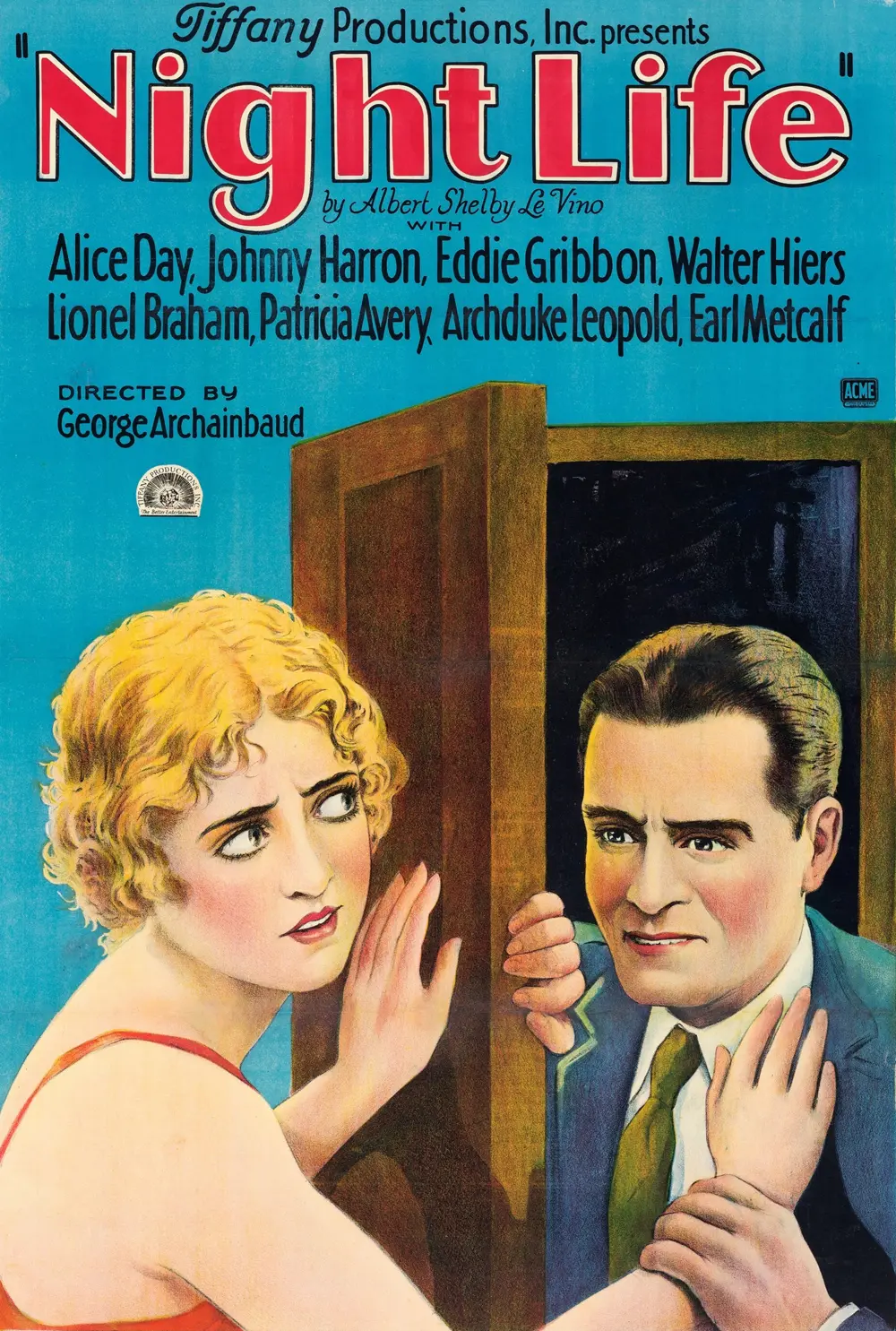
Is 'Night Life' worth watching today? Short answer: yes, but with a nuanced understanding of its historical context and narrative rhythm. This film offers a fascinating, albeit occasionally uneven, dive into post-war desperation and the moral compromises it engenders, making it a compelling watch for cinephiles interested in the social realism and romantic melodramas of its era, though it might test the patience of those accustomed to contemporary pacing.
This film works because of its powerful portrayal of desperation, the genuine emotional core of Max and Anna's romance, and the surprisingly complex character arc of Nick, whose loyalty and sacrifice anchor the story. It effectively captures the grim atmosphere of post-war Vienna, providing a stark backdrop for its human drama, a testament to the vision of writers Harry Braxton, Viola Brothers Shore, and Albert S. Le Vino.
This film fails because of some arguably predictable plot contrivances, a tendency towards melodramatic excess in certain moments, and a pacing that can feel deliberate to a fault, occasionally losing momentum in its exploration of character internalities. Some supporting roles also feel thinly sketched, fading into the background rather than enriching the tapestry.
You should watch it if you appreciate character-driven dramas that delve into moral ambiguity, enjoy stories where love blossoms amidst hardship, or are curious about the evolution of cinematic storytelling in the early 20th century. It offers a window into a specific historical moment through a deeply personal lens, resonating with themes that remain relevant today.
'Night Life' plunges us into the immediate aftermath of a devastating war, depicting a Vienna that is less a city of waltzes and grand balls, and more a landscape of stark survival. The film doesn't just show poverty; it makes you feel its cold grip. Max and Nick, returning to a home that no longer offers comfort or opportunity, embody the widespread disillusionment of the era. Their descent into professional thievery isn't presented as a moral failing in the traditional sense, but as an almost inevitable consequence of systemic collapse.
The screenplay, credited to Harry Braxton, Viola Brothers Shore, and Albert S. Le Vino, does an admirable job of establishing this bleak reality without dwelling excessively on exposition. Instead, it allows the characters' actions and desperate choices to speak volumes. When Max, a man clearly of some former standing, resorts to sleight-of-hand not for entertainment but for sustenance, the film makes a quiet, powerful statement about the erosion of dignity.
This immediate plunge into a world of moral compromise sets the stage for the film's central conflict. It’s a world where the lines between right and wrong are blurred by hunger and hardship, a theme echoed in other post-war narratives like The Red Circle, though 'Night Life' leans more into the romantic melodrama than the pure crime procedural.
The film truly finds its emotional footing with the introduction of Anna, played with a compelling blend of vulnerability and resilience by Audrey Howell. Her encounter with Max is a beautifully understated moment; two desperate souls recognizing a shared plight. Their romance isn't born of grand gestures, but of shared understanding and a desperate need for connection in a fractured world. The scene where Max takes her to a restaurant, a small luxury in their otherwise grim existence, speaks volumes about his desire to offer her something more than the hand-to-mouth reality they both inhabit.
The iconic Ferris wheel sequence is, without doubt, the film's most potent visual metaphor. Spending the night suspended above the city, Max and Anna exist in a temporary bubble, detached from the harsh realities below. It's a fleeting moment of pure bliss, a defiant act of hope and intimacy against a backdrop of despair. This scene is masterfully shot, capturing both the grandeur of the setting and the intimate connection between the characters. It's a powerful symbol of their nascent love, fragile yet profound.
However, this romantic idyll is inherently unsustainable. Anna, despite her own past as a pickpocket, possesses a moral compass that Max, hardened by necessity, seems to have suppressed. Her insistence that Max return the diamond brooch is a pivotal moment, forcing him to confront the erosion of his own principles. This ethical clash adds a crucial layer to their relationship, moving it beyond simple infatuation into a more complex exploration of love's ability to redeem or demand change.
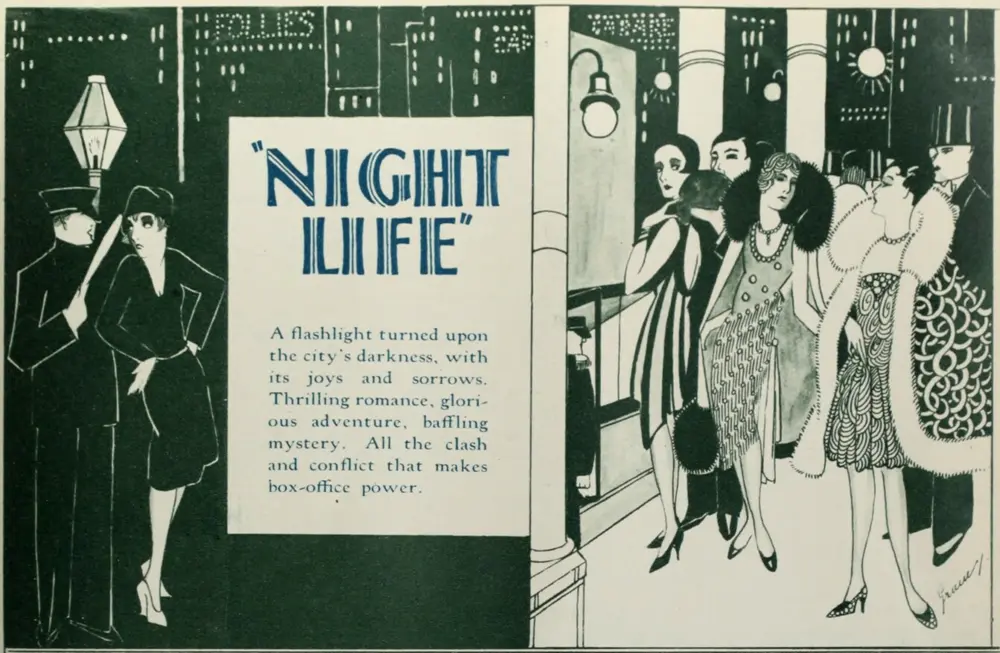
The cast, though largely operating within the conventions of early cinema, delivers performances that ground the narrative in genuine human emotion. John Harron, as Max, carries the burden of his character's internal conflict with a quiet intensity. His initial charm as a sleight-of-hand artist gives way to a more world-weary demeanor, though flashes of his former self emerge in his interactions with Anna. His struggle between survival and morality is palpable, even in the more restrained acting styles of the era.
Audrey Howell's Anna is arguably the film's moral center. Her transition from a street-hardened pickpocket to a woman capable of inspiring change in Max is portrayed with conviction. She embodies a quiet strength, making her defiance of Max's thievery feel less like judgment and more like an appeal to his better nature. Her emotional arc is compelling, making her a memorable presence.
Perhaps the most surprising and nuanced performance comes from the actor portraying Nick (likely Snitz Edwards or Eddie Gribbon, given the cast list and typical roles). Nick is not merely a sidekick; he is a fully fleshed-out character whose loyalty to Max is profound but also possessive. His resentment towards Anna, whom he perceives as an intruder threatening his bond with Max, is deeply human. His ultimate act of self-sacrifice, taking the blame for the crime, elevates him beyond a mere accomplice, transforming him into a tragic figure whose love for his friend transcends his own freedom. It's a genuinely moving portrayal of complex friendship and loyalty, demonstrating that even secondary characters can carry significant emotional weight.
The direction (uncredited, but undoubtedly a key force) of 'Night Life' navigates a delicate balance between gritty realism and romantic idealism. The early scenes depicting Vienna's post-war squalor are stark and effective, painting a picture of a society on the brink. The camera often lingers on the faces of the impoverished, emphasizing the human cost of conflict. This visual grammar firmly establishes the stakes for Max and Nick.
Pacing is where the film might divide modern audiences. It's a deliberate narrative, taking its time to build character and atmosphere. The transition from the slow burn of desperation to the rapid, almost whirlwind romance between Max and Anna feels intentionally abrupt, perhaps reflecting the desperate grasping for joy in bleak times. While some might find this shift jarring, it effectively underscores the escapist nature of their love story. However, there are moments, particularly in the mid-section, where the narrative meanders slightly, losing some of its initial urgency before Nick's pivotal actions reignite the dramatic tension.
Visually, the film makes effective use of its setting. Vienna, even in its post-war state, offers dramatic backdrops. The contrast between the dark, crowded beer gardens where Max commits his crimes and the ethereal heights of the Ferris wheel is striking. It's a simple but powerful use of mise-en-scène to reflect the emotional journey of the characters. The cinematography, while not overtly flashy, serves the story well, using shadow and light to convey mood and character.
'Night Life' is more than just a romance; it's a profound exploration of morality in extremis. The film doesn't offer easy answers. Is Max truly redeemed by Anna, or is his change simply a consequence of her influence? Is Nick's sacrifice an act of pure altruism, or a final, desperate attempt to control Max's destiny, even if it means his own downfall? These are the questions the film subtly poses, inviting the viewer to contemplate the nature of right and wrong when basic survival is at stake.
One unconventional observation is how the film, perhaps inadvertently, critiques the very concept of 'justice' in a broken society. Nick's arrest and subsequent self-sacrifice feel less like a triumph of the law and more like a tragic consequence of circumstance. The system, in its rigidity, cannot accommodate the nuances of desperation, leaving individuals to craft their own forms of justice or sacrifice. This adds a layer of social commentary that elevates the film beyond a simple love story.
The film's ending, while offering a semblance of hope for Max and Anna, is tinged with the melancholy of Nick's fate. It suggests that new beginnings often come at a significant cost, and that even in love, there are shadows of past choices and sacrifices. This complex emotional landscape is a testament to the writers' ability to weave a narrative that avoids overly simplistic resolutions, a quality often missing in contemporary cinema that prefers tidy bows.
Night Life is a film that demands a certain patience, but rewards it with a poignant and thought-provoking narrative. It’s a compelling snapshot of a specific historical moment, filtered through the intimate lens of human desperation, love, and sacrifice. While not without its flaws – a tendency towards melodrama here, a dip in pacing there – its strengths lie in its character development, the emotional resonance of its central romance, and its willingness to explore moral ambiguities. It works. But it’s flawed. This isn't a forgotten masterpiece, but it is a significant, compelling piece of early cinema that deserves more recognition. It's a testament to the enduring power of human connection in the face of overwhelming adversity, and a stark reminder that even in the darkest times, love can offer a flicker of hope, often at an immeasurable cost. See it if you have a penchant for the dramatic and a curiosity for the human condition under duress.
IMDb —
1926
Community
Log in to comment.