DbcultAccessing Vault...
Cult Review
Senior Film Conservator
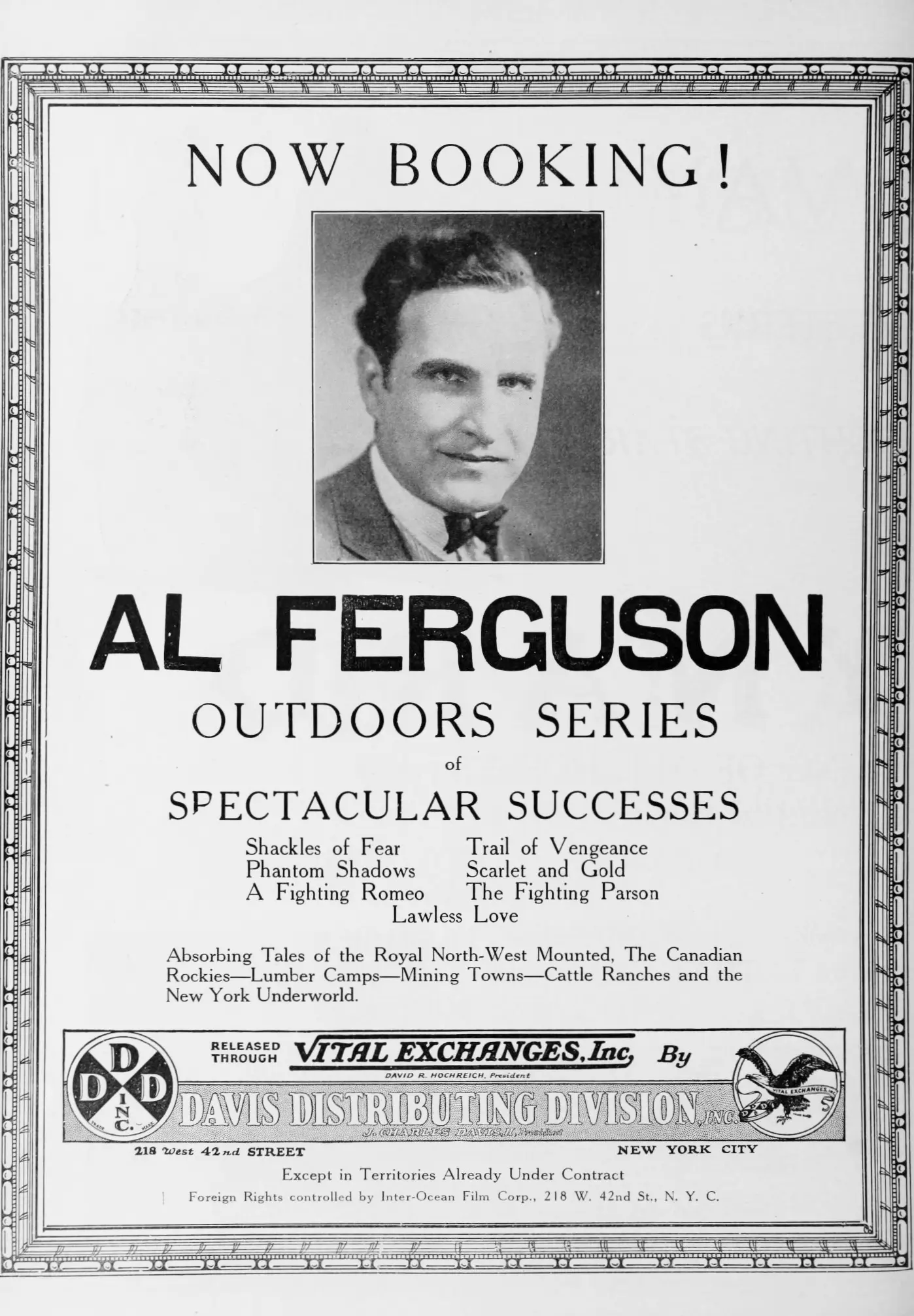
Is The Fighting Romeo worth your time in the modern era? Short answer: yes, but primarily as a fascinating study of 1920s masculinity and frontier morality. This film is for those who cherish the silent era's earnestness and the archetypal 'hero’s journey,' but it is definitely not for viewers who require moral ambiguity or rapid-fire editing to stay engaged.
Before we dissect the dust and drama of this 1925 production, let’s be clear about where it stands in the cinematic pantheon. It is a sturdy piece of craftsmanship that understands its audience. It doesn’t try to reinvent the wheel, but it keeps the wheel turning with a certain rugged grace.
To understand if this film fits your evening plans, consider these three pillars of the production:
The Fighting Romeo is worth watching if you want to see the blueprint of the 'Easterner goes West' subgenre. It provides a window into a time when cinema was obsessed with the idea that the city was a place of rot and the country was a place of healing. If you can handle the slower pacing of 1920s storytelling, the payoff is a satisfying, if predictable, climax.
The film opens with a sequence that sets the tone for the entire narrative. James Warner (Ferdinand Schumann-Heink) is caught by Dave Mathews (George Routh) while attempting to rob his father. This isn't a high-stakes heist; it's a desperate, pathetic act of a man who has lost his way. The lighting in this scene—or at least the way it was captured in the surviving prints—emphasizes the shadows of the East.
Compare this to the open, sun-drenched vistas of the McMaster ranch. The visual language is clear: the East is dark and cramped, while the West is bright and expansive. This thematic binary is a staple of the era, seen in other films like A Certain Rich Man. However, The Fighting Romeo handles this transition with a bit more grit than its contemporaries.
I have a debatable opinion here: Dave Mathews is actually the least interesting character in the movie. While George Routh plays him with a stoic, iron-jawed reliability, he has no arc. He starts perfect and ends perfect. The real soul of the film is James. His cowardice isn't just a plot point; it's a visceral character trait that Schumann-Heink portrays with an almost uncomfortable realism. You genuinely dislike him for the first thirty minutes. That is a sign of good writing and acting.
The direction by the uncredited but capable hands behind the camera focuses on clarity over flourish. In the middle act, the pacing slows down as we watch James struggle with the mundane tasks of ranch life. These scenes are essential. Without the shots of James failing to handle a rope or flinching at the sound of a gunshot, his final heroic turn would feel unearned. It reminds me of the character shifts in The Ghost of Rosy Taylor, where identity is forged through action.
The abduction of Helen McMaster (Elaine Eastman) by Buck Conners (Al Ferguson) serves as the catalyst for the final act. Al Ferguson is a veteran of the 'heavy' roles, and he brings a physical menace that makes James’s fear palpable. The chase sequence is filmed with a steady hand, avoiding the frantic, disjointed cutting that plagued many lesser westerns of the time. It’s methodical. It’s grounded. It works. But it’s flawed by a lack of real tension in the choreography.
The cinematography doesn't strive for the poetic heights of Her Silent Sacrifice, but it possesses a documentary-like honesty. The dust is real. The horses look tired. The sweat on the actors' brows isn't just stage makeup. This realism helps ground the melodrama. When James finally decides to ride to Helen's rescue, the camera captures the sheer scale of the landscape he must conquer. He isn't just fighting Buck Conners; he's fighting the vastness of the world he once feared.
The tone of the film is surprisingly somber for a title like 'The Fighting Romeo.' The title itself feels like a marketing ploy, perhaps trying to capitalize on the success of romantic leads like those in The Libertine. In reality, this is a story about brotherhood and the reclamation of one's own dignity. The romance between Dave and Helen is almost a footnote, a reward for Dave’s service rather than a burning passion that drives the plot.
A surprising element of the film is the complete emotional absence of James's father after the initial confrontation. In most modern films, there would be a tearful reconciliation or a final nod of approval. Here, James’s redemption is entirely for himself and his new 'father figure,' Dave. This suggests a coldness in the film’s worldview: once you betray the family, you must build a new one from the dirt up. It’s a harsh, almost Darwinian take on social structures that you don't often see in the more sentimental films like Puppy Love.
The location shooting is authentic and provides a sense of place that studio-bound films of the era lack. The character arc for James is surprisingly modern in its psychological progression. The film avoids the excessive intertitles that often slow down silent features, allowing the visual storytelling to take the lead.
The villain is one-dimensional and lacks a compelling reason for his crimes. The ending feels a bit rushed, with the marriage and the new foreman appointment happening in quick succession without much room for the characters to breathe. It lacks the sophisticated social commentary found in films like Lady Windermere's Fan.
The Fighting Romeo is a solid B-tier silent western. It doesn't have the grand scale of a John Ford epic, but it has a heart that beats with an earnest belief in the power of a second chance. It’s a film that respects its audience enough to show, rather than tell, how a man changes. While the 'Romeo' of the title is a bit of a misnomer, the 'Fighting' part is well-earned by the final reel. It’s a respectable entry in the genre, much like The Frame-Up or Torchy's Frame-Up, proving that even a century ago, we were obsessed with the idea that no one is truly beyond saving.
"A rugged, if predictable, journey through the moral geography of the Old West. It’s a film that believes in the transformative power of a hard day's work and a clear conscience."
IMDb 9.5
1936
Community
Log in to comment.