DbcultAccessing Vault...
5.8/10
Senior Film Conservator
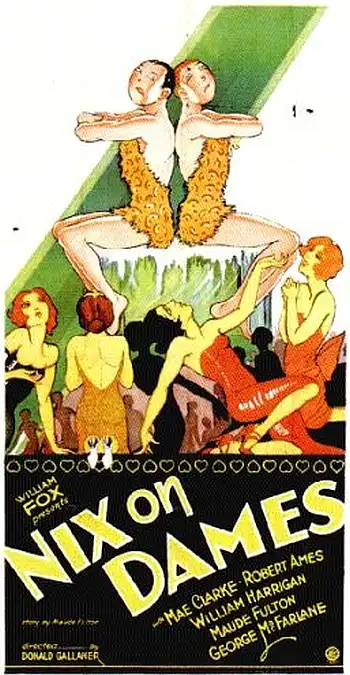
A definitive 5.8/10 rating for a film that redefined the boundaries of cult cinema. Nix on Dames remains a cornerstone of transgressive art.
If you are looking for a deep dive into the vaudeville lifestyle before it totally died, Nix on Dames is probably for you. Most other people will find the whole 'woman-hater' plot a bit exhausting to sit through today.
Bert and Johnny are these two acrobats who have a pact to stay single. It is one of those movie-friendships that feels like it is held together by spite and too much hair grease.
Thay are the best at what they do, or so the movie tells us. One of them gets a leg injury—I think it was Johnny—and they have to stop the show for a bit.
They move into this boarding house that caters to theater folk. It is the kind of place where everyone is practicing their lines in the hallway or complaining about the rent.
Then there is Jackie. Mae Clarke plays her, and she is easily the most interesting thing on the screen by a mile.
She wants to be an acrobat too, which is a nice touch. It is not just a romance; it is about someone actually wanting a career in a tough business.
The way Bert and Johnny start competing for her is painfully awkward. They go from being best buds to basically wanting to trip each other during a practice session.
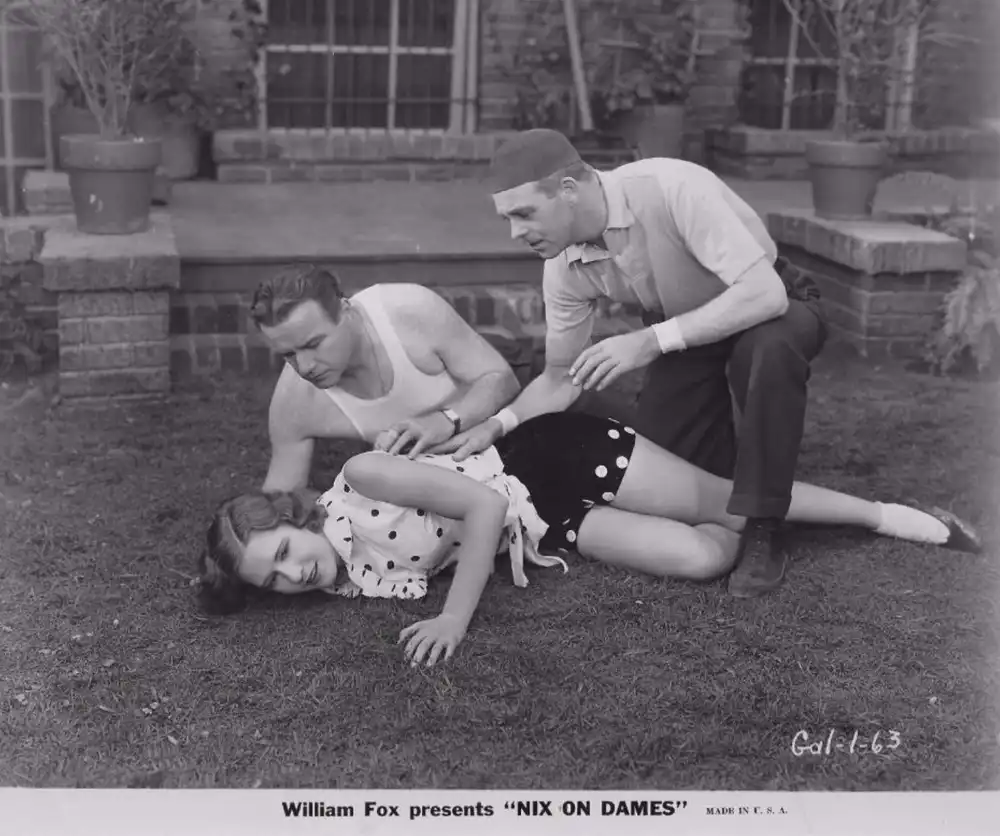
There is a scene in the kitchen that feels like it was filmed in a closet. The lighting is a bit muddy, but you can see the total desperation on Johnny's face when he looks at her.
It reminds me a bit of the stage drama in The Reed Case, though that one was more of a mystery. Or maybe Salty Saunders if you swapped the horses for stage curtains and tap shoes.
The ending feels rushed, like they ran out of film or just got tired of the drama. It just... stops without much of a resolution for the friendship.
I liked the small details of the boarding house life. Like the way the landlady looks at them when she knows they haven't paid their weekly tab yet.
But the 'dames' stuff is so dated it is almost funny. The title itself feels like a 1920s meme that didn't age very well at all.
There is a moment where a reaction shot of a secondary character lingers for way too long. It makes you wonder if the editor fell asleep or if they just liked the actor's hat that much.
The acrobatic stunts they do show are actually pretty impressive. You can tell they used real performers for the wide shots, or at least people who knew how to hold a decent handstand.
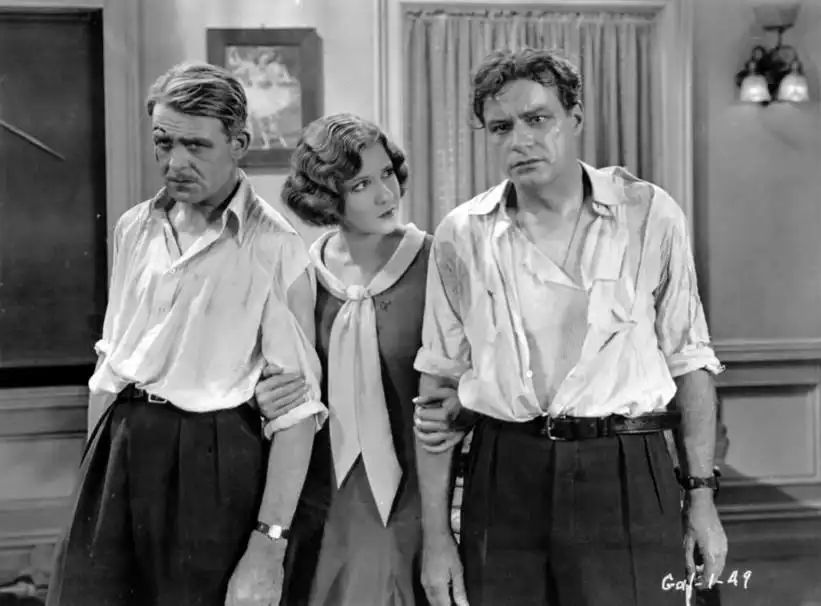
Mae Clarke has this energy that makes everyone else look like they are standing perfectly still. She has that pre-code spark even though this is right on the edge of that era.
The boarding house feels lived in, which I appreciated. There are clothes hanging everywhere and people just wandering through the background of shots for no reason. 🎭
I noticed a poster on the wall for a second that looked like it was from a totally different movie. Little things like that keep me focused when the plot starts to drag in the middle.
It is definitely better than some of the other fluff from that year like Set Free. But it is not exactly a masterpiece you need to run out and find immediately.
The rivalry between the two guys feels a bit forced after the first twenty minutes. Like, just talk to each other about your feelings, you know?
But that wouldn't make for much of a movie back then. So we get thirty minutes of them pouting in separate rooms like children.
I think I saw Louise Beavers for about three seconds. She deserved way more screen time, honestly, she usually does.
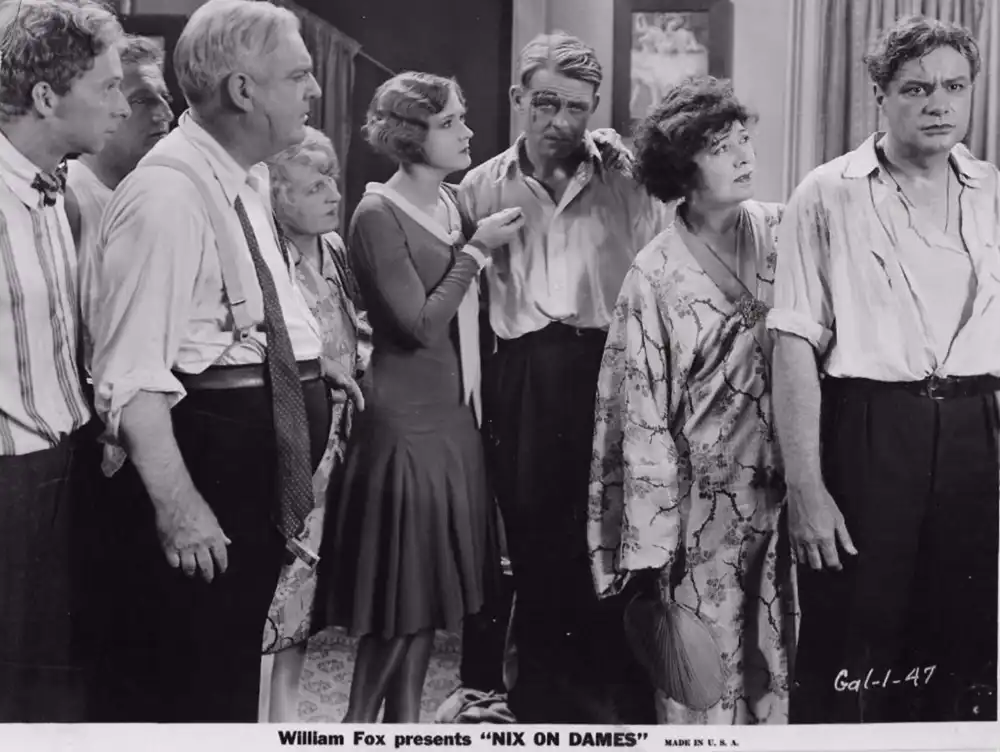
The writers, Maude Fulton and Frank Gay, clearly knew the theater world well. The dialogue has this snappy, 'don't take any wooden nickels' kind of rhythm that I kind of dig.
One scene has a character eating a sandwich and it’s the most realistic part of the film. He just looks so tired of everything.
If you hate old movies where people talk in riddles and weird slang, stay far away. But if you like the smell of greasepaint and old film stock, give it a go on a rainy afternoon.
The audio is a bit crunchy, which is typical for 1929. You have to lean in to hear some of the jokes, but most of them aren't that funny anyway. 🤷♂️
It’s a strange little time capsule of a world that was already disappearing. The friendship break-up is the real tragedy here, more than the romance.
I’m still thinking about that one guy’s mustache. It was so perfectly groomed it almost looked fake, but I think it was real.
Anyway, it’s a decent watch if you’re bored. Just don’t expect it to change your life or anything big like that.
IMDb —
1921
Community
Log in to comment.