DbcultAccessing Vault...
Cult Review
Senior Film Conservator
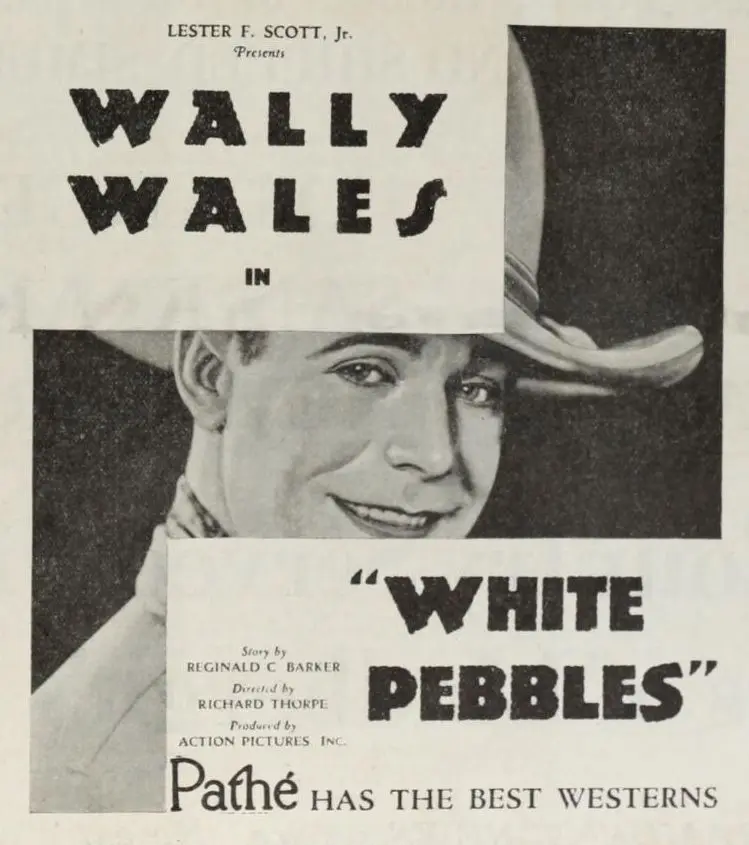
Is White Pebbles worth watching today? Short answer: yes, but only if you have an appetite for the unpolished, structural bones of the early American Western. It is a film for the genre completionist and the silent era enthusiast; it is definitely not for the casual viewer who requires the kinetic energy of modern action or the moral ambiguity of a revisionist horse opera.
The film operates within a very specific 1927 pocket of cinema, where the transition from pure action to narrative mystery was beginning to take root. While other films of the year like The Show were experimenting with darker, more atmospheric thrills, White Pebbles stays grounded in the dirt of the ranch. It is a functional, effective B-picture that relies on a single, compelling gimmick to elevate it above the standard 'rustler' fare of its time.
1) This film works because it introduces a signature 'calling card' for its villain, which adds a layer of psychological tension rarely seen in 1920s Westerns.
2) This film fails because the 'tenderfoot' comedy routine performed by Hal Taliaferro occasionally grinds the pacing to a halt, clashing with the grim reality of the murders.
3) You should watch it if you are interested in the evolution of the Western hero and want to see a rare example of a 1920s female lead who actually manages the business of a ranch rather than just decorating the porch.
The most striking element of White Pebbles is the titular calling card. The idea of a rustler who leaves two white pebbles under the heads of his victims is a proto-noir touch. In a decade where many Westerns were content with simple 'black hat vs. white hat' dynamics, this film flirts with the macabre. It turns a standard property dispute into a localized reign of terror.
Consider the scene where the first cowhand is discovered. The camera doesn't shy away from the ritualistic nature of the crime. It’s a moment that feels closer to a detective procedural than a traditional cowboy flick. This specific detail provides a narrative anchor that keeps the audience guessing, even when the broader plot beats feel familiar. It creates a sense of dread that permeates the Bar None Ranch, making the wide-open spaces feel claustrophobic.
Hal Taliaferro, billed here as Wally Wales, delivers a performance that is essentially a dual role. As Zip Wallace, he has to balance the competence of a seasoned range-rider with the bumbling ineptitude of a city slicker. It is a trope we have seen a thousand times, but Taliaferro brings a physical comedy to the 'tenderfoot' scenes that is genuinely impressive. He uses his body to convey a lack of balance that feels earned, rather than just played for cheap laughs.
However, the real anchor of the film is Olive Hasbrouck. While the 1920s often relegated women to the role of the 'rancher's daughter' waiting to be rescued, Hasbrouck’s Bess Allison is a woman in charge. She is grieving, yes, but she is also calculating. There is a specific moment where she surveys the dwindling herd that conveys more about the economic stakes of the film than any dialogue intertitle could. She isn't just a prize to be won; she is a partner in the survival of the ranch.
The supporting cast, including Harry Todd and Walter Maly, fill out the archetypes well. They provide the necessary grit to make the Bar None feel like a working environment rather than a movie set. When you compare the ensemble here to the more stylized performances in something like Torgus, you see the distinct American preference for naturalism in the Western genre.
Reginald Barker was a director who understood the geography of the West. In White Pebbles, he uses the landscape not just as a backdrop, but as a character. The way he frames the hills surrounding the ranch suggests that the rustlers could be anywhere. The use of deep focus—or the 1927 equivalent—allows the audience to scan the horizon alongside the characters. It builds a constant, low-level anxiety.
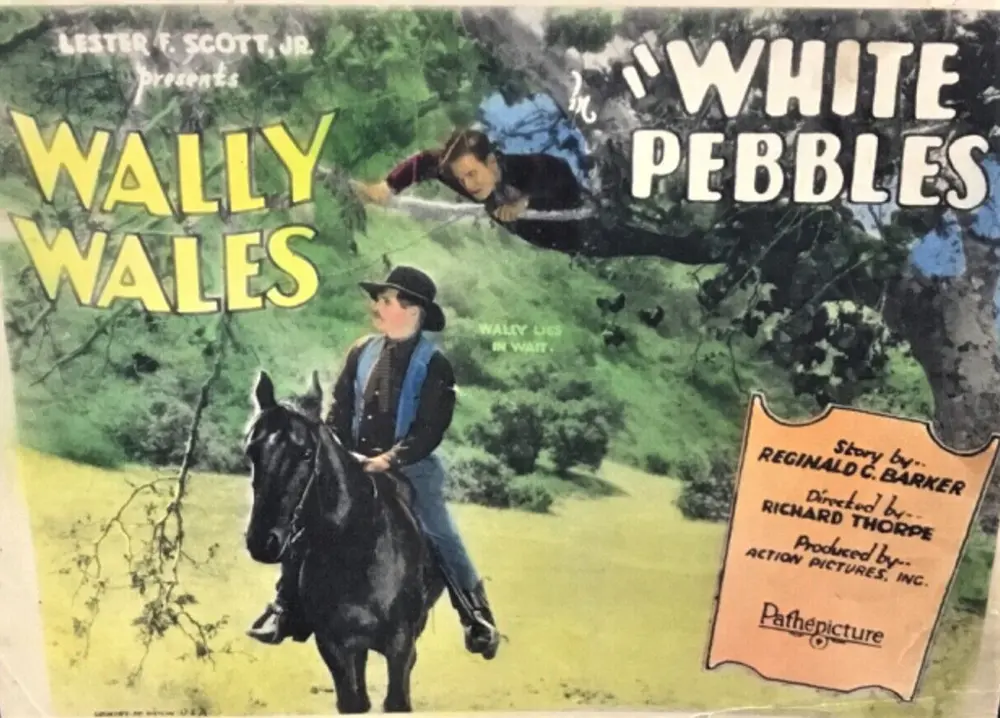
The pacing is generally tight, though it does suffer from the aforementioned comedy detours. Barker excels in the action sequences. The cattle rustling scenes are filmed with a chaotic energy that feels dangerous. There is no CGI here, obviously; it’s just men, horses, and dust. The tactility of the film is its greatest strength. You can almost smell the leather and the sweat. It’s a far cry from the sanitized Westerns that would dominate the 1940s.
Betty Burbridge’s screenplay is a masterclass in B-movie efficiency. She knows how to set the stakes early and keep the pressure on. By killing off cowhands early, she establishes that the threat is real. The stakes aren't just financial; they are mortal. This elevates the tension significantly.
Burbridge also handles the 'tenderfoot' reveal with a decent amount of suspense. While the audience is in on the joke, the way Zip Wallace slowly peels back his layers is satisfying. It’s a classic 'undercover' narrative that would later be perfected in the sound era, but here it feels fresh and experimental. The dialogue—via intertitles—is punchy and avoids the overly poetic sentimentality that plagued many silent dramas of the time.
If you are looking for a historical curiosity that demonstrates how the Western began to incorporate elements of the mystery genre, then yes, White Pebbles is a rewarding watch. It captures a moment in time where the genre was outgrowing its simplistic roots. The film is a bridge between the early silent shorts and the more complex features of the late 20s.
However, if you struggle with the slower pace of silent cinema or the specific 'tenderfoot' humor of the era, you might find it a bit of a chore. It doesn't have the surrealist beauty of Finances of the Grand Duke or the slapstick perfection of The Boat. It is a blue-collar movie for a blue-collar audience. It works. But it’s flawed.
Pros:
Cons:
White Pebbles is a sturdy, reliable piece of silent-era entertainment. It doesn't reinvent the wheel, but it certainly knows how to grease it. The film’s willingness to lean into a darker, more ritualistic form of villainy makes it stand out in a crowded field of 1927 releases. While it lacks the artistic ambition of the year’s major studio prestige projects, it possesses a raw, unpretentious energy that is hard to dislike.
It is a dusty relic, but one that still has a bit of a shine if you catch it in the right light. The pebbles are a stroke of genius in an otherwise standard script. Hasbrouck holds her own. Taliaferro proves why he was a mainstay of the genre. If you can forgive the creaky humor, you’ll find a surprisingly tight thriller hiding under the wide-brimmed hats.
Ultimately, White Pebbles is a testament to the durability of the Western. It shows that even in its infancy, the genre was capable of sophistication, suspense, and a touch of the macabre. It’s a solid recommendation for anyone wanting to see where the modern thriller-Western truly began.
IMDb 5.4
1926
Community
Log in to comment.