DbcultAccessing Vault...
5.3/10
Senior Film Conservator

A definitive 5.3/10 rating for a film that redefined the boundaries of cult cinema. N+N+N remains a cornerstone of transgressive art.
Vladimir Shmidtgof’s N+N+N isn't just a film; it's a mirror, albeit a darkly polished and subtly distorted one, held up to the face of modern societal pretense and economic chicanery. This short comedy, a compact yet profoundly resonant piece, delves into the lives of a married couple who have perfected the art of living a life of affluent ease without the inconvenience of legitimate labor or, more critically, the burden of taxation. They are, in essence, the spectral beneficiaries of a system they simultaneously exploit and disdain, drawing unemployment benefits while their real income streams from the murky depths of speculative capital. It’s a premise ripe for satire, and Shmidtgof, with a surgeon's precision, dissects the absurdity of their existence, leaving no moral stone unturned.
The film’s genius lies in its unvarnished portrayal of hypocrisy, not as a grand, theatrical vice, but as an insidious, almost mundane aspect of daily life. The characters, brought to life with remarkable nuance by Yuliya Daminskaya, Irina Kunina, and Mark Dobrynin, are not cartoon villains. Instead, they are disturbingly relatable figures, their rationalizations for their financial subterfuge echoing the insidious whispers of self-interest that often pervade contemporary discourse. Daminskaya, with her subtle facial expressions and carefully calibrated gestures, embodies the wife’s complex blend of entitlement and underlying anxiety. Her performance is a masterclass in conveying unspoken tension, a constant tightrope walk between maintaining a façade of blissful ignorance and the lurking fear of exposure. Kunina and Dobrynin, whether in their supporting roles or as the other half of this duplicitous dynamic, complement Daminskaya’s intensity, creating a rich tapestry of interwoven deceptions. Their interactions are often laced with an unspoken understanding, a conspiratorial glance or a shared, knowing smile that speaks volumes about their joint venture into fiscal evasion.
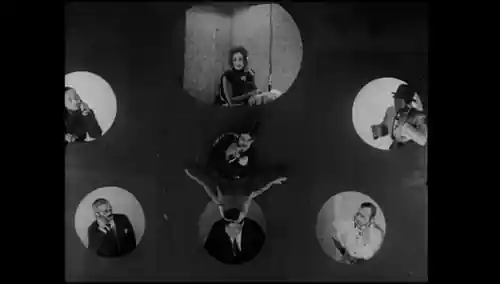
Shmidtgof’s direction is characterized by a minimalist aesthetic that amplifies the film's thematic concerns. There are no grand pronouncements, no dramatic revelations telegraphed miles in advance. Instead, the narrative unfolds through a series of intimate, often claustrophobic, exchanges that gradually peel back the layers of pretense. The camera often lingers, allowing the audience to absorb the subtle shifts in power dynamics, the unspoken resentments, and the quiet desperation that simmer beneath the surface of their seemingly idyllic lives. This observational style forces viewers to become active participants, piecing together the moral compromises and ethical shortcuts that define the characters’ reality. It’s a testament to Shmidtgof’s vision that he can extract such profound commentary from such a tightly constrained narrative framework, proving that brevity, when wielded with such skill, can be far more impactful than sprawling epics.
The core conflict of N+N+N isn’t merely about tax evasion or unemployment fraud; it’s about the very nature of identity in an increasingly fractured economic landscape. What does it mean to be 'employed' when your wealth accrues from abstract market fluctuations? What constitutes 'work' when your entire existence is predicated on outsmarting the system? The film poses these questions not with didacticism, but with a wry, knowing humor that invites introspection rather than judgment. The characters, in their elaborate dance of self-disclosure, are forced to confront the gap between who they pretend to be for society and who they truly are when stripped of their economic masks. This internal struggle, often conveyed through subtle glances and pregnant pauses, is where the film truly shines, transforming a simple comedic premise into a profound meditation on authenticity.

The performances are uniformly excellent. Yuliya Daminskaya, in particular, delivers a captivating portrayal of a woman whose outward composure barely conceals a maelstrom of conflicting emotions. Her character embodies the paradox of modern affluence: the desire for luxury coupled with a profound aversion to the responsibilities that typically accompany it. She navigates this tightrope with a compelling blend of vulnerability and cunning, making her character both reprehensible and, perhaps unsettlingly, understandable. Irina Kunina and Mark Dobrynin provide crucial counterpoints, their characters serving as both enablers and unwitting catalysts for the central couple's eventual reckoning. Their presence adds layers of social commentary, suggesting that the couple's predicament is not an isolated incident but a symptom of broader societal trends where appearances often trump reality. Each actor brings a distinct flavor to their role, contributing to a cohesive and believable ensemble that elevates the material beyond mere caricature.
One of the film's most striking aspects is its commentary on the nature of capital itself. Speculative capital, by its very definition, is abstract, detached from tangible labor or production. It's wealth generated from wealth, a self-perpetuating cycle that, in N+N+N, becomes a metaphor for the couple’s entire existence. They are living off an illusion, a phantom income that allows them to exist in a liminal space, neither truly employed nor genuinely impoverished. This economic ghosting extends to their identity, creating a profound sense of existential drift. The film cleverly uses their attempts to maintain this illusion – the meticulous falsification of documents, the practiced air of destitution at the labor exchange – as sources of both comedic tension and poignant commentary. It highlights the absurdity of a system that can be so easily gamed, and the moral vacuum that often fills the space left by genuine productivity.

Shmidtgof’s writing is sharp, economical, and imbued with a dark wit that never descends into cynicism. The dialogue crackles with understated tension, each line carefully crafted to reveal character or advance the narrative without unnecessary exposition. There's a particular scene where the couple discusses their 'strategy' for feigning unemployment that is both hilarious and deeply unsettling, exposing the cold calculation beneath their charming exteriors. The film’s pacing is deliberate, allowing moments of quiet contemplation to punctuate the more overtly comedic sequences. This measured approach ensures that the satire lands with maximum impact, giving the audience time to absorb the implications of each revelation. The screenplay doesn't preach; it merely presents, allowing the characters’ actions and their inevitable consequences to speak for themselves.
The visual language of N+N+N is equally compelling. The production design, while seemingly simple, is meticulously chosen to reflect the characters' precarious opulence. Their home, while tastefully appointed, carries an air of transient luxury, as if it could all be repossessed at any moment. The choice of muted colors, punctuated by occasional flashes of vibrancy, mirrors the emotional landscape of the characters – a superficial calm masking underlying turmoil. Cinematography plays a crucial role in establishing the film's tone, often employing close-ups that trap the characters within the frame, emphasizing their self-imposed isolation and the psychological pressure of their deception. The editing is crisp and precise, ensuring that no shot is wasted and every moment contributes to the overall narrative thrust. The sound design, too, is subtly effective, using ambient noise and moments of silence to heighten the sense of unease and the artificiality of their constructed reality.

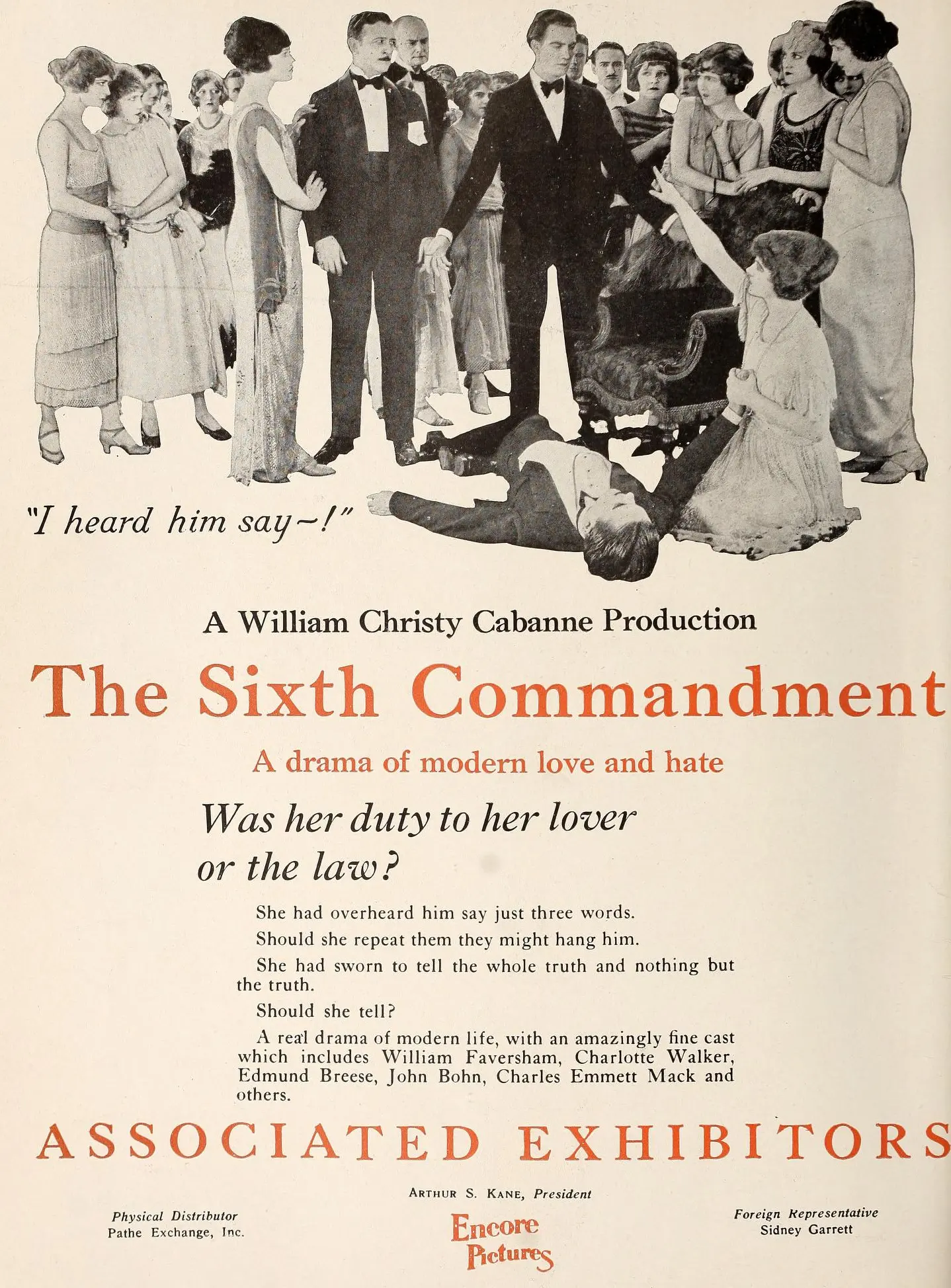
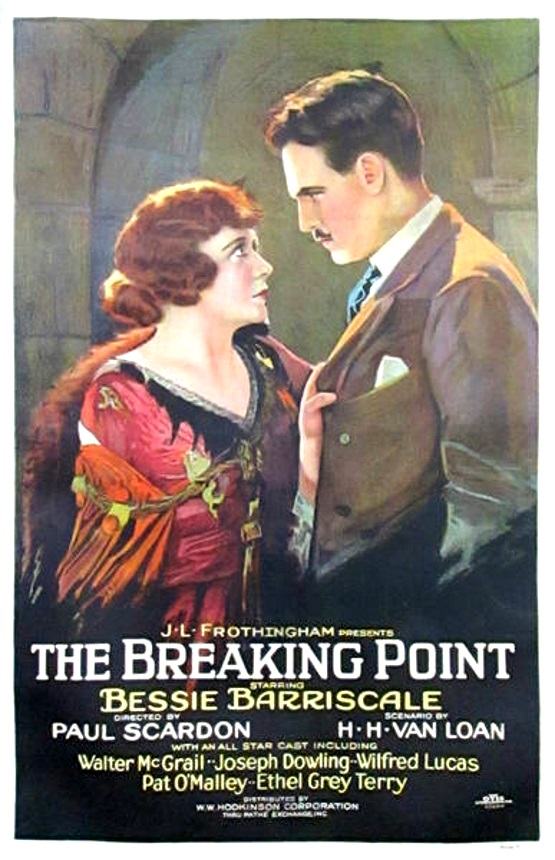
While N+N+N stands firmly on its own merits, one might draw thematic parallels to films that explore the moral ambiguities of wealth and societal expectations, perhaps in the vein of a modern The Price They Pay, though with a distinctly comedic and contemporary twist. The classic examination of societal roles and the pursuit of status found in films like The Auction Block, albeit in a vastly different era and context, resonates with the underlying critique of value systems. However, Shmidtgof’s film carves out its unique niche by focusing specifically on the modern intricacies of financial manipulation and the digital age’s capacity for anonymity, making it a distinctly twenty-first-century satire. Its brevity is a strength, preventing the narrative from becoming overblown or didactic, instead leaving the audience with a lingering sense of unease and a desire to scrutinize the ethical foundations of their own economic realities.
The film's exploration of self-disclosure is particularly poignant. The characters are forced, through a series of escalating comedic incidents, to reveal their true selves, not only to each other but also, implicitly, to the audience. These moments of vulnerability, often tinged with desperation, are where the film transcends its comedic premise and ventures into deeper psychological territory. It’s a powerful reminder that even the most meticulously constructed facades eventually crumble under the weight of their own inherent contradictions. The laughter provoked by N+N+N is often the kind that catches in your throat, born from the uncomfortable recognition of human folly and the pervasive nature of self-deception.
Ultimately, N+N+N is a triumph of concise storytelling and incisive social commentary. Vladimir Shmidtgof has crafted a film that is both entertaining and thought-provoking, a rare combination that elevates it beyond mere genre fare. The performances by Yuliya Daminskaya, Irina Kunina, and Mark Dobrynin are compelling, anchoring the film’s satirical ambitions with genuine human complexity. It’s a film that lingers long after the credits roll, prompting viewers to ponder the ethical implications of modern capitalism, the allure of easy money, and the often-absurd lengths to which individuals will go to maintain a comfortable illusion. This short comedy, despite its brevity, delivers a knockout punch, proving that even the most seemingly innocuous acts of financial deception carry profound moral and existential weight. It is, without a doubt, a must-watch for anyone interested in sharp, intelligent satire that holds a mirror to our complicated world.
The film’s central conceit – the registration at the labor exchange as unemployed while living off speculative capital – is a particularly potent symbol of the disconnect between perceived reality and actual circumstance in the modern economy. It highlights a fundamental flaw in systems designed to support those genuinely in need, exposing how easily they can be manipulated by those with less scrupulous intentions. This isn't just about individual moral failing; it's a critique of systemic vulnerabilities and the broader societal values that, perhaps inadvertently, create fertile ground for such deceptions. The film doesn't offer easy answers or condemnations; instead, it presents a scenario with unflinching honesty, allowing the audience to grapple with the uncomfortable truths it uncovers. It’s a nuanced exploration of entitlement, resourcefulness, and the slippery slope of ethical compromise, all wrapped in a wonderfully dark comedic package.
The brilliance of N+N+N also lies in its ability to generate humor from deeply uncomfortable situations. The tension of potential exposure, the farcical attempts to maintain their charade, and the subtle power plays between the characters all contribute to a comedic rhythm that is both sophisticated and accessible. It’s a comedy that respects its audience, trusting them to pick up on the subtle cues and unspoken ironies. The film avoids broad slapstick or overt gags, opting instead for a more cerebral humor that arises from character and situation. This approach makes the laughs more resonant, often accompanied by a wince of recognition. It’s a rare achievement for a short film to pack so much thematic weight and character development into such a confined runtime, yet Shmidtgof and his cast manage it with effortless grace. The film is a masterclass in how to say a great deal with very little, leaving an indelible impression long after its final frame.
In conclusion, N+N+N is a gem of contemporary short cinema. It's a film that demands attention, rewards careful viewing, and provokes genuine thought. Vladimir Shmidtgof’s insightful direction, coupled with the compelling performances of Yuliya Daminskaya, Irina Kunina, and Mark Dobrynin, creates a potent and memorable experience. It's a comedic critique of modern socio-economic realities that is as timely as it is timeless, reminding us that the pursuit of wealth, especially ill-gotten gains, often comes at the steep price of one’s integrity and peace of mind. Seek out this film; you will not be disappointed. It's a stark, humorous, and deeply intelligent commentary on the facades we construct and the truths we desperately try to conceal from the world, and from ourselves.
IMDb 4.6
1918
Community
Log in to comment.