DbcultAccessing Vault...
Cult Review
Senior Film Conservator
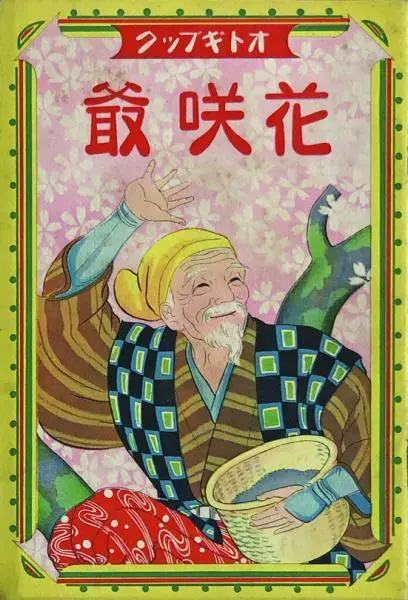
In the annals of early Japanese cinema, certain works stand as towering testaments to the expressive power of the moving image, even in its nascent, silent form. Teinosuke Kinugasa's 'Hanasaka Jijii', or 'The Flower-Blooming Old Man', is undeniably one such masterpiece, a film that transcends its era to deliver a timeless fable of virtue, avarice, and cosmic retribution. While many films of the 1920s grappled with social realism or nascent genre conventions, Kinugasa, with the nuanced performances of Unpei Yokoyama and Misao Seki, chose to delve into the very bedrock of human morality, crafting a narrative that feels both deeply rooted in Japanese folklore and universally resonant. It’s a work that, even through the lens of nearly a century, speaks with remarkable clarity about the choices we make and their inevitable repercussions.
The film opens by immersing us in the tranquil, almost painterly existence of Grandfather Hanasaka and his gentle wife. Their lives, devoid of material excess, are rich in a different kind of currency: kindness, contentment, and a profound respect for the natural world. Unpei Yokoyama, as the titular Hanasaka Jijii, embodies this benevolence with a quiet dignity, his expressions conveying a lifetime of simple joys and unblemished spirit. Misao Seki, as his devoted wife, complements him perfectly, her presence radiating warmth and unwavering support. Their humble abode, nestled amidst verdant landscapes, feels like a sanctuary, a stark contrast to the burgeoning urban anxieties often depicted in contemporary European or American cinema. This pastoral setting is not merely a backdrop; it is an extension of their very being, a visual metaphor for their uncorrupted souls.
The introduction of Shiro, their loyal canine companion, acts as the catalyst for the narrative's central conflict. Shiro is more than just a pet; he is a symbol of nature's reciprocal generosity, a creature whose innate wisdom leads the couple to a miraculous discovery of gold coins. This unexpected fortune, however, does not transform them into avaricious individuals; instead, it becomes a means to further their acts of charity and reinforce their benevolent nature. Kinugasa's direction here is subtle but potent, demonstrating that true character is revealed not by the presence of wealth, but by one's response to it. The camera often lingers on their simple gestures of sharing, their unostentatious joy, creating a palpable sense of their moral fortitude. This initial prosperity, however, casts a long and dark shadow, drawing the malevolent gaze of their neighbors, whose hearts are already fertile ground for envy and greed. The stark contrast between these two households forms the ethical backbone of the entire film, a binary opposition that Kinugasa explores with unwavering conviction.
The neighboring couple, nameless but unforgettable in their villainy, serve as the narrative's antagonistic force. Their initial curiosity soon curdles into bitter jealousy, manifesting in increasingly cruel and self-serving actions. The film deftly illustrates how envy, once allowed to fester, can consume an individual, distorting their perception and driving them to unspeakable acts. Their demand to 'borrow' Shiro, under the pretense of seeking their own fortune, is chillingly portrayed. The subsequent mistreatment and eventual murder of the innocent dog is a moment of profound tragedy, a stark reminder of humanity's capacity for cruelty. Kinugasa's visual language here is particularly effective, utilizing stark contrasts in lighting and composition to underscore the moral chasm between the two families. While the Hanasakas are often bathed in soft, natural light, the greedy neighbors are frequently depicted in more confined, shadowy spaces, their faces contorted by avarice. The silent film format, relying heavily on exaggerated expressions and gestures, allows Yokoyama and Seki to convey the depth of their sorrow and despair over Shiro's loss with heart-wrenching authenticity, drawing the audience into their emotional torment.
This pivotal act of violence sets in motion a chain of events that highlights the film's central philosophical tenet: that good deeds beget good, and malice, invariably, leads to ruin. The sorrow of the Hanasakas is not merely personal; it is a rupture in the natural order, and the subsequent miraculous blossoming of a tree from Shiro's grave is nature's way of healing itself, of restoring balance. This is where 'Hanasaka Jijii' diverges from mere social commentary and ascends into the realm of allegorical fantasy, a characteristic that sets it apart from more grounded contemporary dramas like The Saleslady, which focused on the transactional nature of human interaction, or the moral quandaries presented in The Rack. Here, the supernatural element is not a distraction but an amplification of the moral stakes, a visual manifestation of karma itself.
The miraculous power of the ash, derived from the tree grown from Shiro's grave, is the film's defining visual motif. The scene where Grandfather Hanasaka sprinkles the ash onto a withered cherry tree, causing it to burst forth in a spectacular cascade of blossoms, is breathtaking. Kinugasa employs innovative camera techniques and perhaps even hand-tinting (common in silent films) to enhance the visual splendor, making the transformation feel genuinely magical. This act is not for personal gain but an expression of pure, unadulterated joy and reverence for life. It is a moment of profound spiritual uplift, a testament to the idea that true beauty and abundance stem from a pure heart. The visual artistry in these sequences elevates the film beyond a simple folktale retelling; it becomes a meditation on the cyclical nature of life, death, and rebirth, where even sorrow can yield unexpected beauty.
The contrast is drawn sharply when the greedy neighbors attempt to replicate this miracle. Their actions, motivated by base desire and a complete misunderstanding of the spiritual essence behind the Hanasaka's power, inevitably lead to disaster. Their ash, rather than bringing forth beauty, causes only putrefaction and foul smells, bringing them shame and ultimately, judicial punishment. This sequence is played for both dramatic tension and a touch of darkly comedic irony, as their efforts to mimic virtue result in their public humiliation. It’s a powerful cinematic illustration of the adage that one cannot sow thorns and expect to reap roses. The film doesn't shy away from depicting the consequences of their malice, offering a clear and uncompromising moral stance. This narrative thread resonates with the moral clarity found in films like The Martyrdom of Philip Strong, though 'Hanasaka Jijii' frames its moral triumph through naturalistic magic rather than overt religious suffering.
Teinosuke Kinugasa, a visionary director, utilized the silent film medium to its fullest potential. His reliance on visual storytelling, evocative intertitles (which, in a perfect world, would be accompanied by a live narrator, or 'benshi', as was common in Japan), and the expressive power of his actors makes 'Hanasaka Jijii' a masterclass in cinematic communication. The film's pacing, deliberate and contemplative in its initial stages, accelerates during moments of conflict and triumph, drawing the audience deeper into its emotional landscape. The absence of spoken dialogue forces a heightened attention to facial expressions, body language, and environmental details, all of which Kinugasa orchestrates with remarkable precision. Unpei Yokoyama's transformation from a humble old man to a figure of almost mythical stature is conveyed through subtle shifts in posture and gaze, while Misao Seki’s portrayal of quiet strength and unwavering loyalty anchors the film’s emotional core.
The film's visual style, while perhaps lacking the overt experimentalism of Kinugasa's later, more avant-garde works like 'A Page of Madness', nonetheless exhibits a sophisticated understanding of cinematic language. The use of close-ups to capture the nuances of emotion, wide shots to establish the beauty of the natural world, and dynamic editing to convey urgency or wonder are all employed with a confident hand. It's a testament to the director's skill that a story so deeply rooted in folklore feels so immediate and engaging. The film’s aesthetic choices, from the set design to the costuming, reinforce its timeless quality, suggesting a world where moral truths are as immutable as the changing seasons. This meticulous attention to visual detail allows the film to communicate complex ideas and emotions without a single spoken word, a hallmark of great silent cinema.
At its heart, 'Hanasaka Jijii' is a profound meditation on reciprocity – the idea that what one puts into the world, whether good or ill, will inevitably return. The Hanasakas' boundless kindness is rewarded not only with material fortune but, more importantly, with spiritual fulfillment and societal recognition. Their elevation by the feudal lord, who hears of their miraculous deeds, serves as the ultimate validation of their virtuous path. This narrative arc, where inherent goodness is publicly acknowledged and celebrated, offers a comforting, if idealized, vision of justice. It stands in stark contrast to the often bleak or ambiguous endings of films that grappled with the harsh realities of urban life or moral compromise, such as The Money Mill or even the complexities of character found in L'aventurier.
Conversely, the greedy neighbors' downfall is equally absolute, a clear demonstration that malevolence, unchecked, leads to self-destruction. Their attempts to manipulate nature and fortune for selfish ends are met with swift and humiliating failure, culminating in their public disgrace. This stark portrayal of consequences reinforces the film's moral framework, suggesting a universe that, while often indifferent, ultimately tilts towards justice. The film doesn't merely punish the wicked; it shows their inherent self-defeat, their inability to truly appreciate or create beauty because their intentions are corrupt. This moral clarity, while perhaps simplistic by modern standards, was a powerful message in an era grappling with rapid social change and shifting ethical landscapes. It provided a touchstone, a reminder of enduring values in a world that was quickly industrializing and modernizing.
Even today, 'Hanasaka Jijii' holds a significant place in cinematic history, not just as an example of early Japanese filmmaking, but as a universal narrative that speaks to the core of human experience. Its themes of compassion, envy, and the natural order remain as relevant now as they were nearly a century ago. The film's reliance on visual poetry and the powerful performances of its lead actors ensure that its message resonates deeply, even without the aid of spoken dialogue. It's a reminder that true storytelling transcends linguistic barriers, finding its power in universally understood emotions and archetypal conflicts.
Kinugasa's ability to imbue a simple folktale with such profound emotional depth and cinematic artistry is a testament to his genius. The film is a valuable artifact for understanding the evolution of Japanese cinema, showcasing a period when directors were experimenting with form and content, drawing from both traditional cultural narratives and nascent cinematic techniques. It offers a window into the values and anxieties of its time, while simultaneously crafting a narrative that feels utterly timeless. For film enthusiasts and scholars alike, 'Hanasaka Jijii' is not just a historical curiosity; it is a vibrant, compelling piece of art that continues to enchant and enlighten, urging us to reflect on the perennial struggle between the light and shadow within the human heart. Its beauty lies not just in its visual splendor, but in its unwavering faith in the ultimate triumph of kindness, a message that, in any era, remains profoundly necessary.

IMDb 6.6
1930
Community
Log in to comment.