DbcultAccessing Vault...
6.9/10
Senior Film Conservator
A definitive 6.9/10 rating for a film that redefined the boundaries of cult cinema. No Trespassing remains a cornerstone of transgressive art.
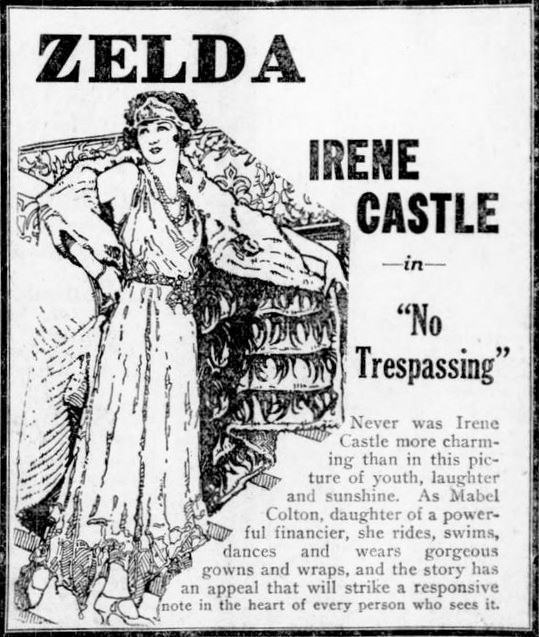
The film No Trespassing is a poignant and nuanced exploration of the human experience, delving into the complexities of relationships, community, and personal growth. Set against the stunning backdrop of a Cape Cod fishing village, the story revolves around Roscoe Paine, a kind-hearted and generous individual who owns the lane that runs through the village. Roscoe's selfless decision to allow the community to use the lane has fostered a sense of unity and gratitude among the residents, and his intrinsic kindness has become a beacon of hope for those around him.
The arrival of James Colton and his family sets off a chain of events that will forever alter the dynamics of the village. James, a shrewd and ambitious businessman, is determined to acquire Roscoe's property, driven by his desire to expand his business empire. As the story unfolds, a web of intricate relationships and unexpected twists emerges, including a tragic boat explosion, a heroic rescue, and a dramatic shift in fortunes. Through the lens of Roscoe's journey, the film explores themes of kindness, redemption, and the complexities of human connection, all set against the picturesque backdrop of the Cape Cod village.
One of the most striking aspects of No Trespassing is its thoughtful and multidimensional characterization. Roscoe, played by Alan Roscoe, is a deeply human and relatable protagonist, whose intrinsic kindness and generosity inspire those around him. The character of Mabel Colton, played by Irene Castle, is equally well-crafted, bringing a sense of intelligence, compassion, and determination to the story. The chemistry between Roscoe and Mabel is undeniable, and their romance blossoms in a way that feels organic and authentic.
In comparison to other films of the era, such as Das Skelett and The Revolt, No Trespassing stands out for its nuanced and thoughtful exploration of the human experience. The film's use of sea blue tones and soft lighting creates a dreamy, ethereal atmosphere, perfectly capturing the essence of the Cape Cod village. The cinematography is equally impressive, with a keen attention to detail and a deep understanding of the story's emotional nuances.
The film's themes of kindness, redemption, and community are timeless and universal, resonating deeply with audiences today. The story of Roscoe Paine and the Cape Cod fishing village serves as a powerful reminder of the importance of human connection and the impact that our actions can have on those around us. As the story unfolds, the film builds towards a poignant and uplifting conclusion, one that will leave viewers feeling inspired and hopeful.
In addition to its thoughtful characterization and nuanced exploration of the human experience, No Trespassing is also notable for its historical significance. Released in 1922, the film provides a fascinating glimpse into the social and cultural norms of the time, offering insights into the values and attitudes of the era. The film's portrayal of the Cape Cod fishing village, with its quaint shops and bustling harbor, is a testament to the enduring appeal of small-town America.
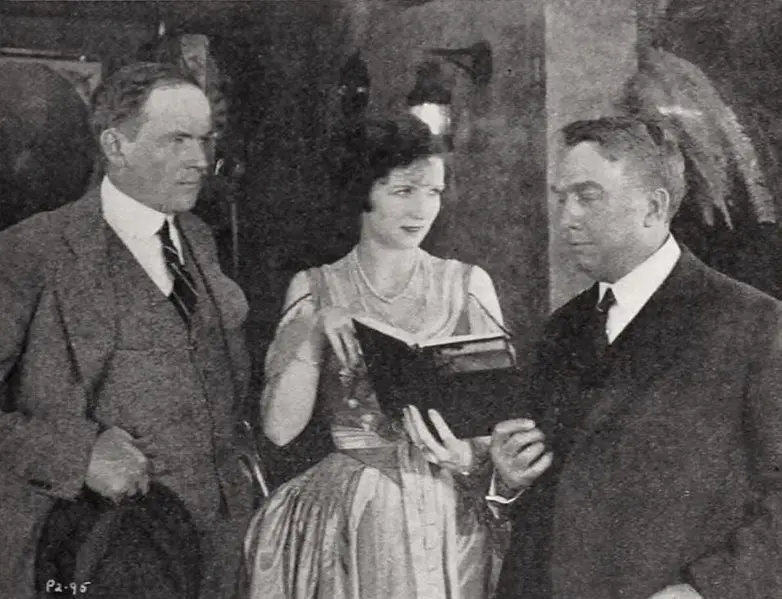
Overall, No Trespassing is a film that will resonate deeply with audiences today. Its thoughtful and nuanced exploration of the human experience, combined with its historical significance and timeless themes, make it a must-see for anyone interested in classic cinema. With its richly detailed characters, stunning cinematography, and poignant conclusion, No Trespassing is a film that will leave viewers feeling inspired, hopeful, and deeply connected to the world around them.
For fans of classic cinema, No Trespassing is a rare gem that is not to be missed. The film's intrinsic kindness and generosity of spirit make it a powerful reminder of the importance of human connection and the impact that our actions can have on those around us. As a work of art, No Trespassing is a masterpiece that will continue to inspire and uplift audiences for generations to come.
In comparison to other films of the era, such as A Fool and His Money and Fool's Gold, No Trespassing stands out for its thoughtful and nuanced exploration of the human experience. The film's use of sea blue tones and soft lighting creates a dreamy, ethereal atmosphere, perfectly capturing the essence of the Cape Cod village. The cinematography is equally impressive, with a keen attention to detail and a deep understanding of the story's emotional nuances.
The film's themes of kindness, redemption, and community are timeless and universal, resonating deeply with audiences today. The story of Roscoe Paine and the Cape Cod fishing village serves as a powerful reminder of the importance of human connection and the impact that our actions can have on those around us. As the story unfolds, the film builds towards a poignant and uplifting conclusion, one that will leave viewers feeling inspired and hopeful.
In addition to its thoughtful characterization and nuanced exploration of the human experience, No Trespassing is also notable for its historical significance. Released in 1922, the film provides a fascinating glimpse into the social and cultural norms of the time, offering insights into the values and attitudes of the era. The film's portrayal of the Cape Cod fishing village, with its quaint shops and bustling harbor, is a testament to the enduring appeal of small-town America.
Overall, No Trespassing is a film that will resonate deeply with audiences today. Its thoughtful and nuanced exploration of the human experience, combined with its historical significance and timeless themes, make it a must-see for anyone interested in classic cinema. With its richly detailed characters, stunning cinematography, and poignant conclusion, No Trespassing is a film that will leave viewers feeling inspired, hopeful, and deeply connected to the world around them.
IMDb 5.8
1931
Community
Log in to comment.