DbcultAccessing Vault...
5.8/10
Senior Film Conservator
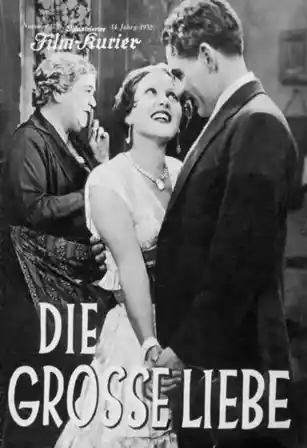
A definitive 5.8/10 rating for a film that redefined the boundaries of cult cinema. The Great Love remains a cornerstone of transgressive art.
You should watch this if you like those old, quiet movies that feel a bit like looking through a dusty window at someone else's life. It is definitely for the people who don't mind a slow pace and a lot of staring.
If you need fast talking or a clear plot where everyone is happy at the end, you will probably hate this one. It is a bit of a downer, honestly. 🥀
Franz comes back to his village and he looks tired. Like, really tired.
Ten years in Russia after the war has clearly done something to his head. He walks into town and everything is the same but he is totally different.
Then there is Frieda. She is this older woman who just decides he is her son.
It is one of those moments where you want to scream at the screen because it is so obvious he isn't her kid. But he doesn't say anything. He just lets her believe it.
The movie is from 1931, so the sound is a bit crunchy. Sometimes you have to squint with your ears to hear what they are saying over the background hiss.
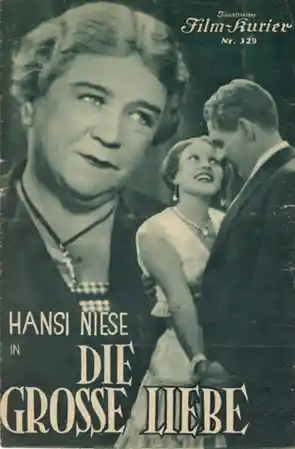
But the silence is actually the best part. There is a scene at a dinner table where nobody says anything for a long time, and you can just feel the awkwardness. It reminded me of the stillness in The People vs. Nancy Preston, but maybe even more lonely.
Everyone in the village seems to be pretending. They all kind of know he isn't the son, right? But nobody wants to be the one to break the old lady's heart.
It makes the whole movie feel like a shared lie. It’s way more heavy than something like The Love Thrill which is just trying to be fun.
I noticed this one extra in the background of the tavern scene who just keeps drinking from an empty mug. Once you see it, you can't unsee it. He’s really committed to that empty mug.
"I think he just wanted a bed to sleep in, and she just wanted someone to love. It's a sad trade."
The acting by Georg Dénes is pretty stiff at first, but then you realize that is just how Franz is. He is hollowed out by the war. He doesn't have much left to give.
It’s not like the high-energy stuff you see in Special Delivery. This is much more grounded and, well, depressing.
There is a bit of a subplot with a girl, of course. Because every movie back then needed a girl. But it feels almost like an afterthought compared to the mom situation.
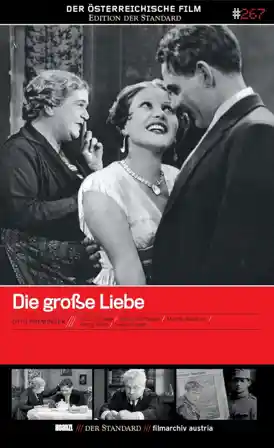
I found myself drifting off during some of the longer dialogue scenes. The script gets a bit wordy in the middle. It’s like they forgot it was a movie and thought it was a play for a second.
Actually, it reminds me of The Age for Love in how it tries to handle big emotions but sometimes just gets stuck in the mud. But the ending of this one really sticks with you.
It is not a masterpiece. The camera doesn't do anything crazy. It just sits there and watches these broken people try to be a family.
There is a lot of looking out of windows. If you did a drinking game for every time someone stared out a window, you would be under the table in twenty minutes. 🍺
I wonder if people in 1931 thought this was as sad as I did. Or maybe they were just used to it because the war was still so close to them.
It feels very different from Isn't Life Terrible? which at least tries to find the joke in the misery. This movie doesn't really care about jokes.
The pacing is definitely an issue. It drags in the second act. You could probably cut ten minutes of people walking across fields and not miss a thing.
But that last shot of Franz's face? That is pure gold. It makes the whole slow trip worth it.
Anyway, it's a solid watch if you're in a melancholy mood. Just don't expect a big musical number or a chase scene. It's just people being sad in a village. 🏚️
IMDb 5.8
1931
Community
Log in to comment.