DbcultAccessing Vault...
6.6/10
Senior Film Conservator
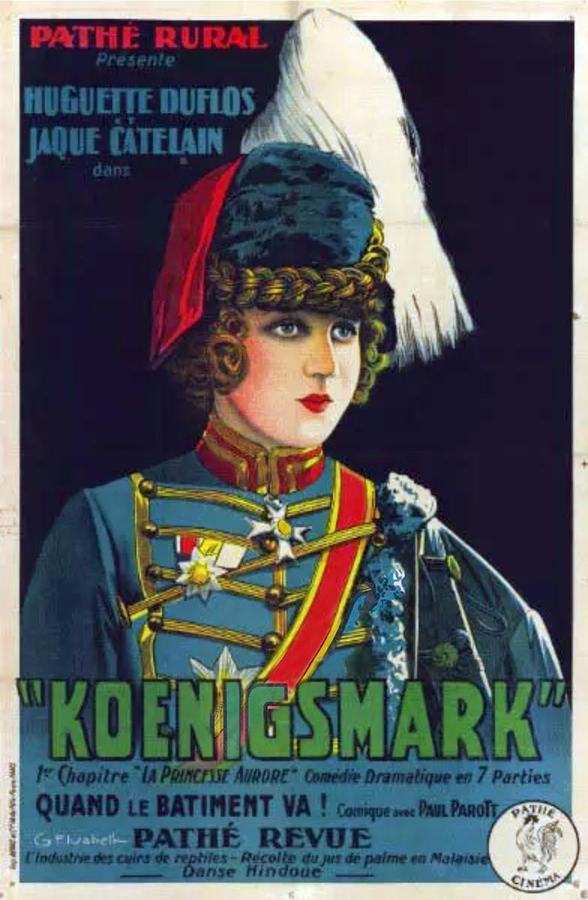
A definitive 6.6/10 rating for a film that redefined the boundaries of cult cinema. The Secret Spring remains a cornerstone of transgressive art.
In the pantheon of silent era spectacles, few works capture the transition from aristocratic rigidity to the visceral carnage of the early 20th century with the same haunting luminosity as The Secret Spring. Directed by the visionary Léonce Perret and adapted from the narrative architecture of Pierre Benoît, this film functions as a cinematic palimpsest, layering a traditional melodrama over a biting critique of dynastic decay and the ephemeral nature of identity.
The film opens within the suffocating confines of a kingdom that feels less like a sovereign state and more like a gilded ossuary. Huguette Duflos portrays Grand Duchess Aurora with a brittle grace that suggests a woman perpetually on the verge of shattering. Her marriage to Rudolph is presented not as a romantic union, but as a geopolitical transaction—a theme explored with similar cynicism in The Road to Divorce. However, where other films might linger on the domestic friction, Perret accelerates the narrative into the realm of Shakespearean tragedy. The fratricide that claims Rudolph’s life is staged with a chilling economy, emphasizing the cold pragmatism of power that characterizes the film's primary antagonist.

Unlike the more fantastical elements seen in Das Experiment des Prof. Mithrany, the horror here is purely human, rooted in the avarice of a brother-in-law whose treachery serves as the catalyst for Aurora’s liberation—a liberation that is, paradoxically, born from blood.
The shift to Paris provides a jarring, neon-hued contrast to the monochromatic gloom of the court. Perret utilizes the camera to capture the "gay revelries" not as a celebration, but as a desperate flight from trauma. Aurora’s immersion into the Parisian nightlife mirrors the frantic search for escapism found in Nancy from Nowhere, yet there is a deeper, more melancholic undercurrent here. The presence of her father offers a brief anchor, but the shadow of the Kingdom remains long and inescapable. The cinematography in these sequences is remarkably fluid, utilizing light and shadow to suggest the fractured psyche of a woman who has traded one cage for another—albeit a more aesthetically pleasing one.

It is during this interlude that the film’s lexical diversity of emotion truly shines. We see Aurora not merely as a victim, but as a woman reclaiming her agency, even if that agency is initially channeled through the numbing effects of social excess. This phase of the film provides a necessary breather before the narrative plunges back into the labyrinthine politics of her homeland.
Upon her return to the Kingdom, the film introduces its most pivotal emotional axis: the tutor. This character, portrayed with a soulful intensity, represents the intellectual and moral antithesis of the corrupt nobility. Their love is a transgression of class boundaries that feels far more earned than the romantic tropes in Redeeming Love. Together, they become a clandestine investigative unit, unmasking the treachery of the brother-in-law. This segment of the film adopts the pacing of a thriller, reminiscent of the tension found in Panopta II, as the lovers navigate a landscape of spies and silences.
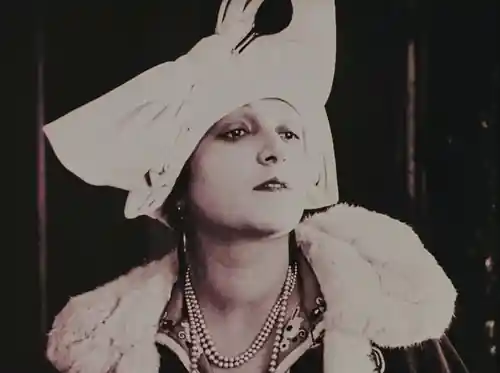
"The Secret Spring does not merely tell a story of love; it interrogates the very foundations of loyalty in a world where the crown is a curse and the heart is a liability."
The tutor’s eventual escape, facilitated by Aurora’s quick thinking, marks her final transformation from a pawn of the state to a master of her own destiny. However, this victory is fleeting, as the looms of history are already weaving a much darker tapestry: the advent of World War I.
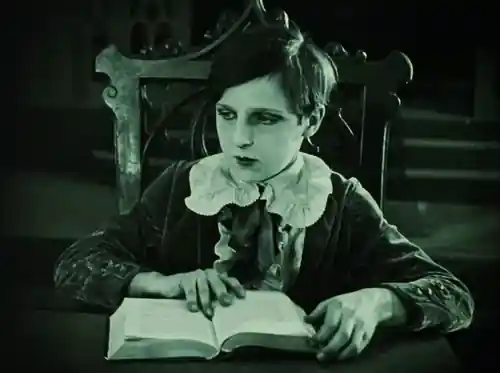
The transition to the battlefields of France is handled with a jarring realism that stands in stark contrast to the film’s earlier, more stylized sequences. While War Is Hell focuses on the visceral mechanics of combat, Perret focuses on the psychological toll of distance and uncertainty. The tutor’s death at Verdun is not depicted as a heroic sacrifice in the traditional sense, but as a senseless erasure of potential—a theme that resonates with the somber reflections in John Greenleaf Whittier.
The film’s final act is a masterclass in restrained pathos. Aurora’s journey to the Tomb of the Unknown Soldier is a sequence of profound cinematic mourning. The visual metaphor of the "Unknown" allows her grief to become universal; she is no longer just a Grand Duchess mourning a tutor, but a symbol of a generation’s collective loss. This ending elevates the film beyond the confines of a simple romance, placing it in conversation with works like Judgement in its exploration of the finality of death and the ambiguity of memory.

The ensemble cast, featuring luminaries like Jean Aymé and Iván Petrovich, delivers performances that eschew the broad histrionics often associated with silent cinema. Instead, there is a nuanced physicality to their interactions. The chemistry between Duflos and her tutor is palpable, making the eventual tragedy feel like a personal affront to the viewer. Technically, the film is a marvel of its time. The set designs—from the oppressive stonework of the palace to the airy, chaotic salons of Paris—serve as extensions of the characters' internal states.
In comparison to the more straightforward survival narratives of Beach of Dreams or the domestic struggles in No Man's Woman, The Secret Spring offers a more complex, multi-layered experience. It manages to balance the intimacy of a forbidden romance with the grand scale of a world in upheaval. Even minor characters, such as those played by Maurice Lehmann and Jaque Catelain, contribute to a sense of a fully realized world, much like the detailed character work in The Life Mask.
Ultimately, the film asks whether love can ever truly be a "secret spring" of rejuvenation in a world governed by the mechanics of war and the inertia of tradition. It shares the tragic DNA of Sündige Liebe, yet it finds a strange, quiet dignity in its conclusion. Aurora’s wreath-laying ceremony is not an act of closure, but an act of eternal vigil. She accepts that her lover may be anyone, or no one, and in doing so, she becomes the custodian of a memory that the rest of the world is all too eager to forget.
For those seeking a film that combines the intrigue of Kidnapping Caroline with the rugged emotional landscape of The Sheep o' Leavenworth, this Perret masterpiece is essential viewing. It remains a staggering achievement of the silent era, a film that understands that the most profound springs are those that flow beneath the surface, hidden from the world but sustaining the soul through the darkest of winters. Even when compared to the emotional rawness of His Divorced Wife, the sophistication of The Secret Spring stands as a testament to the power of visual storytelling to transcend the limitations of the written word.
IMDb —
1916
Community
Log in to comment.