DbcultAccessing Vault...
6.2/10
Senior Film Conservator
A definitive 6.2/10 rating for a film that redefined the boundaries of cult cinema. Nobelpristagaren remains a cornerstone of transgressive art.
Step back into an era when cinema was still finding its voice, an era of stark shadows and powerful expressions, to encounter Nobelpristagaren. This isn't merely a film; it's a profound, emotional excavation into the human spirit's resilience when confronted with the unyielding brutality of war and the agonizing choices it thrusts upon us. Directed with a keen eye for dramatic tension and an understanding of the nascent medium's capacity for raw sentiment, this picture, featuring the formidable talents of Maggie Gripenberg and Nils Olaf Chrisander, transcends its chronological origins to deliver a message that resonates with chilling clarity even today. It's a testament to the enduring power of storytelling, particularly when the narrative threads are woven from the very fabric of life-and-death stakes.
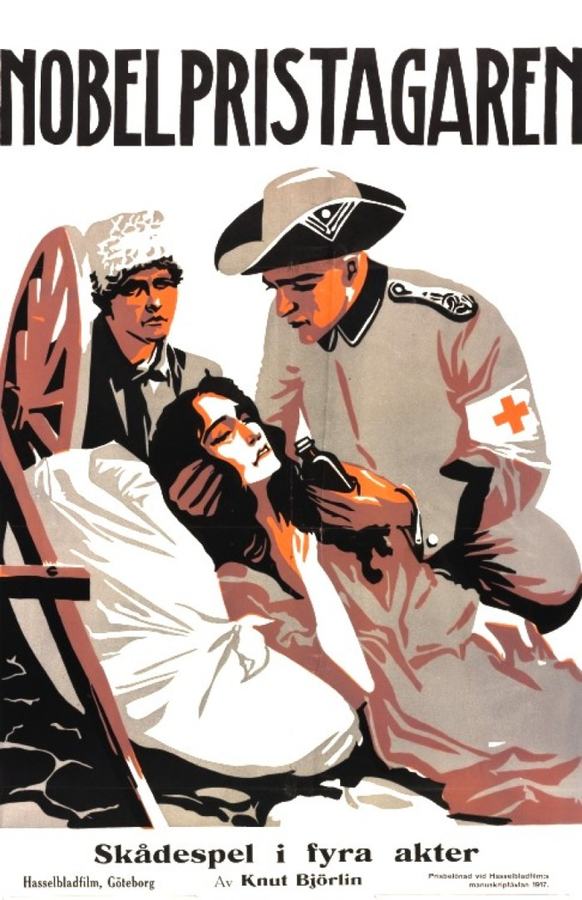
At its core, Nobelpristagaren is a narrative of profound sacrifice and the ethical quagmire inherent in extreme circumstances. Dr. Henry Arel, portrayed with a compelling gravitas by Nils Olaf Chrisander, is not just a physician; he is a man torn between the Hippocratic oath and the visceral, overwhelming instinct to protect his beloved. His fiancée, Violet Starford, brought to life with heart-wrenching vulnerability by Maggie Gripenberg, is more than just a damsel in distress; she embodies the innocence shattered by conflict, the personal toll exacted by grand geopolitical struggles. Their joint commitment to serving as paramedics on the front lines of the Great War immediately establishes a context of selfless dedication, setting the stage for the unimaginable trials that lie ahead. This isn't a glamorous depiction of heroism, but a grimy, visceral look at the daily grind of survival and the sudden, explosive moments that redefine destinies.
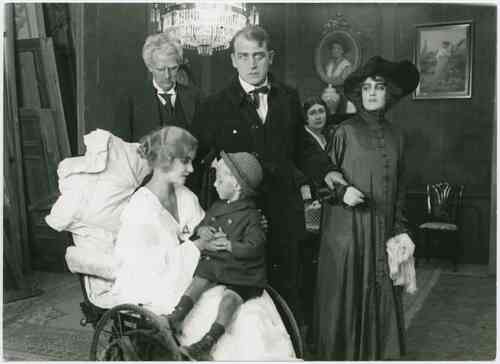
The narrative's turning point arrives with a terrifying suddenness: an aerial assault, a common horror of the First World War, descends upon their medical post. The chaos, the deafening explosions, the desperate cries—all are implied with remarkable effectiveness through the visual language of early cinema. It's during this maelstrom that Violet is gravely wounded, her life hanging by the thinnest of threads. This moment is not merely a plot device; it's a brutal demonstration of war's indiscriminate cruelty, reminding us that even those dedicated to healing are not immune to its devastating reach. The camera, even in its silent eloquence, lingers on the horror, allowing the audience to feel the raw, immediate shock of the event. Gripenberg's portrayal of Violet's suffering, a silent scream of agony communicated through posture and facial contortion, is profoundly moving, drawing the viewer into her desperate plight.
Dr. Arel's response is immediate, instinctive, yet fraught with professional peril. He faces a choice that no physician, particularly one bound by personal affection, should ever have to make. The 'bold intervention' mentioned in the synopsis is precisely that: a leap of faith into uncharted medical territory, driven by a love that defies the conventions of wartime triage. This isn't a decision made in the sterile calm of a modern operating theatre, but amidst the cacophony of conflict, under immense pressure, with rudimentary tools and dwindling hope. The film masterfully conveys the weight of this choice, not through dialogue, but through Chrisander's intense gaze, his furrowed brow, and the desperate urgency in his movements. It’s a powerful exploration of how personal stakes can warp professional detachment, turning a doctor into a desperate lover.
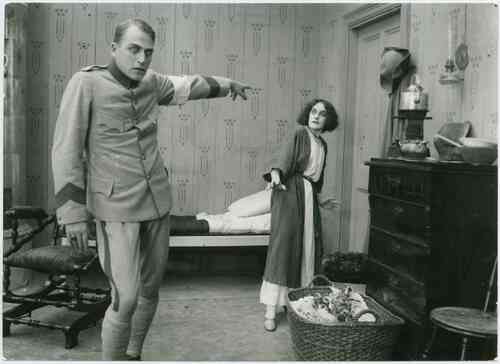
The ethical dimensions of Dr. Arel's actions are, arguably, the most compelling aspect of Nobelpristagaren. Is it morally justifiable to risk an experimental procedure, potentially sacrificing scarce resources or attention that could save others, for the sake of one's beloved? This is a question that transcends the period setting, resonating with contemporary debates about medical innovation, personal bias, and the allocation of care in crisis. The film doesn't offer easy answers; instead, it invites the audience to grapple with the profound moral complexities. This theme echoes in films like Strife, where personal desires clash with broader societal expectations, or even in the survival narratives like Rescue of the Stefansson Arctic Expedition, where extreme circumstances force individuals to make unprecedented choices for survival. However, Nobelpristagaren elevates this to a deeply personal, almost existential, medical dilemma.
The supporting cast, including Sigge Hallén, Sture Baude, Mary Johnson, Hugo Björne, Carl Johannesson, and Tekla Sjöblom, contribute significantly to the film's immersive atmosphere. While their roles might be less central, their reactions—of concern, doubt, hope, and despair—serve as a vital chorus, amplifying the emotional stakes and providing a realistic backdrop to Dr. Arel's extraordinary undertaking. Their silent expressions and subtle gestures are crucial in conveying the gravity of the situation, a testament to the power of ensemble acting even in the silent era. Knut Björlin’s screenplay, despite the limitations of the medium, constructs a narrative arc that is both gripping and thought-provoking, demonstrating a nuanced understanding of human psychology under duress.
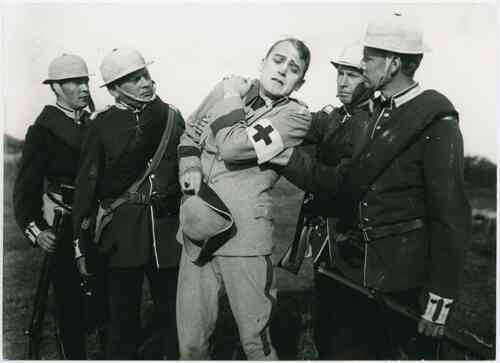
For a film of its vintage, Nobelpristagaren exhibits a remarkable sophistication in its visual storytelling. The cinematography, though black and white and limited by early technology, is used to great effect to establish mood and emphasize key emotional moments. The stark contrasts of light and shadow often mirror the moral ambiguities faced by Dr. Arel. Close-ups on the faces of Gripenberg and Chrisander are particularly powerful, allowing their nuanced performances to convey volumes without a single spoken word. The staging of the battlefield scenes, while perhaps not as grand in scale as later epics, effectively communicates the chaos and danger, immersing the viewer in the grim reality of the front lines. The director understands the rhythm of silent film, using pacing and shot composition to build suspense and deliver emotional punches with precision.
The absence of spoken dialogue forces a reliance on exaggerated expressions, dramatic intertitles, and symbolic imagery, all of which are handled with admirable skill. The intertitles, often poetic or declarative, provide crucial exposition and insight into the characters' thoughts, preventing the narrative from becoming obscure. This reliance on visual cues and written text makes the audience an active participant in the storytelling, requiring them to interpret and empathize more deeply. It's a style that, in its purest form, can be incredibly immersive, and Nobelpristagaren leverages this aspect to its fullest.
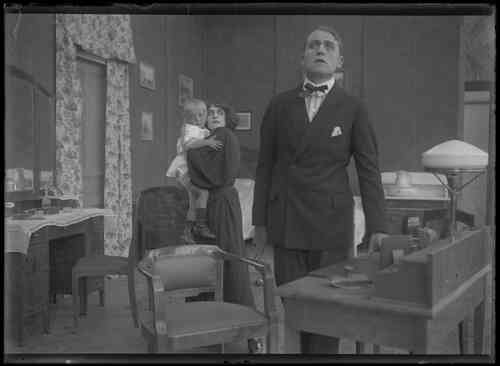
The film's title itself, Nobelpristagaren (The Nobel Laureate), hints at a broader theme: the pursuit of scientific greatness, the recognition of groundbreaking achievement, and the often-unforeseen consequences that accompany such ambition. Dr. Arel's intervention, while born of love, also carries the potential for monumental scientific discovery or catastrophic failure. The film implicitly asks: What is the true cost of pioneering medical advancement? Is it worth the ethical compromises, the personal toll, the potential for hubris? This layer adds another dimension to the drama, elevating it beyond a simple wartime romance or medical procedural. It connects to the grander narratives of human progress, where the lines between genius and madness, triumph and tragedy, are often blurred.
The shadow of the Nobel Prize, a symbol of ultimate intellectual validation, hangs over the doctor's actions, adding a layer of ironic tension. Does his desperate act make him a candidate for such an honor, or does it expose the raw, often messy, human element that science attempts to sanitize? This sophisticated thematic exploration places Nobelpristagaren in a lineage of films that delve into the ethical responsibilities of those who push the boundaries of knowledge, much like the moral quandaries explored in Time Lock No. 776, albeit in a vastly different context. It’s a compelling juxtaposition of personal passion and professional recognition, a struggle that defines many great minds throughout history.

While Nobelpristagaren might not be as widely known as some of its contemporaries, its thematic richness and emotional depth ensure its enduring relevance. It's a powerful reminder of the human cost of war, not just in terms of casualties, but in the profound psychological and moral burdens placed upon individuals. The film's exploration of love, sacrifice, and the boundaries of medical ethics remains as potent today as it was upon its release. It challenges viewers to consider what they would do in similar impossible situations, fostering a sense of empathy and introspection.
The performances of Maggie Gripenberg and Nils Olaf Chrisander are particularly noteworthy, showcasing the raw power of silent acting. Their ability to convey complex emotions and internal struggles without words is a masterclass in cinematic performance. Gripenberg's portrayal of Violet's fragility and resilience, juxtaposed with Chrisander's depiction of Dr. Arel's tormented brilliance, creates a dynamic central pairing that anchors the entire narrative. Their on-screen chemistry, built on shared glances and poignant gestures, speaks volumes about the depth of their bond.
In a cinematic landscape often dominated by spectacle and explicit dialogue, Nobelpristagaren serves as a potent reminder of the subtle power of suggestion and the timeless appeal of a deeply human story. It’s a film that asks us to look beyond the surface, to consider the profound implications of desperate acts of love and the indelible scars left by conflict. Its legacy lies not just in its historical place, but in its ability to provoke thought and stir emotion, proving that some stories, like the human heart, are truly timeless.
This film, much like In Defense of a Nation or Sweetheart of the Doomed, captures a fragment of the vast, often tragic, human experience during wartime, but it distinguishes itself by focusing on an intensely personal, ethically charged dilemma. It’s not just about the grand sweep of history, but about the individual caught within its relentless current, forced to make decisions that echo far beyond the immediate moment. For those interested in the genesis of cinematic drama, the evolution of storytelling, or simply a powerful human narrative, Nobelpristagaren is an essential viewing experience, a melancholic yet ultimately hopeful meditation on what it means to truly fight for someone you love, even against the overwhelming odds of war and fate.

IMDb 6.2
1927
Community
Log in to comment.