DbcultAccessing Vault...
5.1/10
Senior Film Conservator
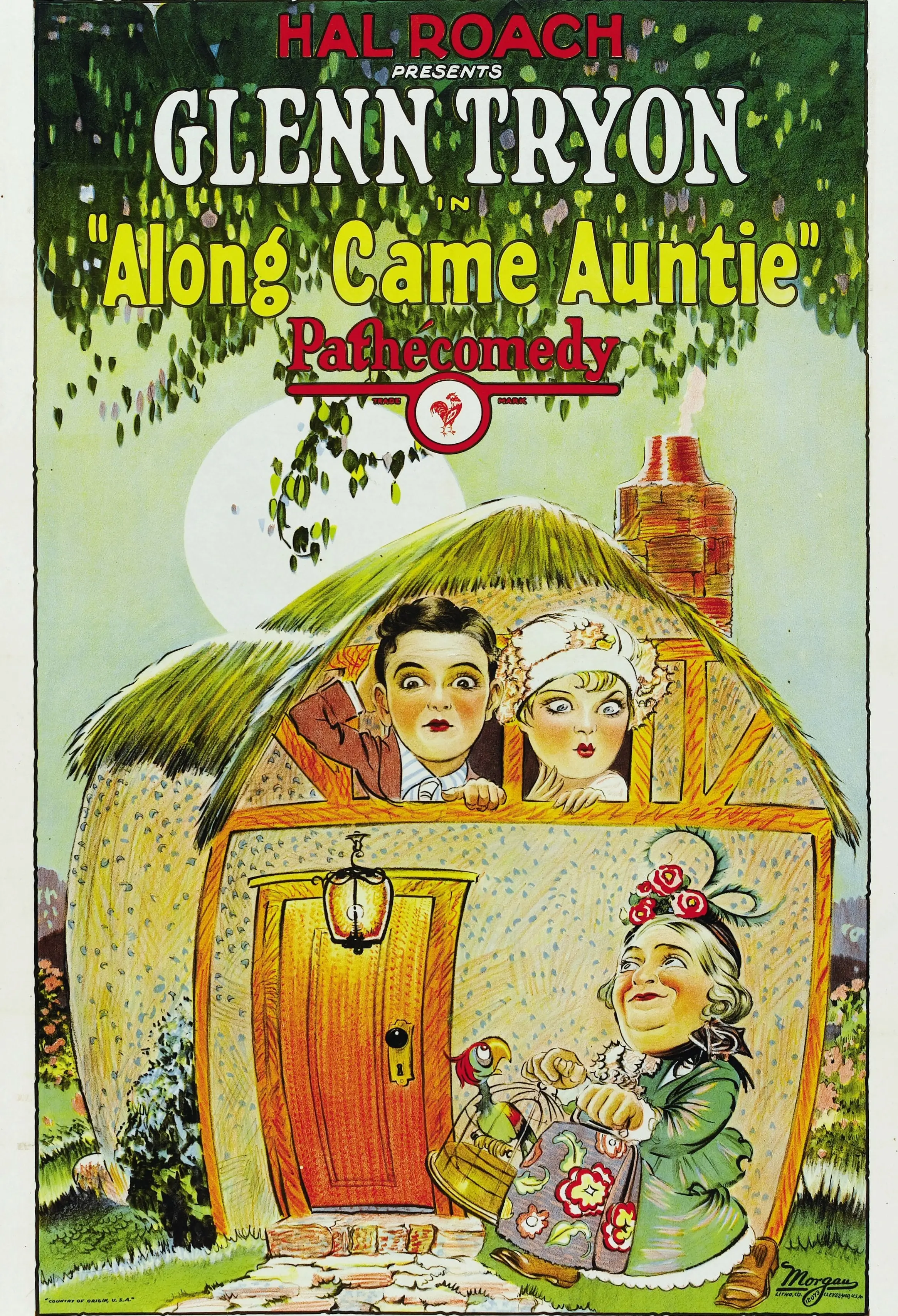
A definitive 5.1/10 rating for a film that redefined the boundaries of cult cinema. Along Came Auntie remains a cornerstone of transgressive art.
Is Along Came Auntie worth watching today? Short answer: absolutely, if you appreciate the foundational slapstick and ingenious physical comedy that defined early cinema. This 1926 silent short is a delightful, if somewhat frantic, window into an era where marital deception fueled some of the funniest on-screen antics. It’s a film for those who cherish the roots of cinematic humor, particularly fans of pre-sound era farces and the early work of comedy legends like Oliver Hardy. Conversely, if your cinematic palate demands intricate plots, profound character development, or modern pacing, this nearly century-old short might test your patience.
It works. But it’s flawed.
At its core, Along Came Auntie is a masterclass in escalating domestic chaos, a genre that has, perhaps ironically, maintained a timeless appeal. The premise, while simple, is a fertile ground for comedic misunderstandings and physical gags. A woman, desperate to secure an inheritance, must convince her judgmental aunt that she is still happily married to her first husband, even as her second husband rages in the background. This setup is a powder keg, and the film lights the fuse with mischievous glee.
The film works because it commits wholeheartedly to its farcical premise, never once winking at the audience or attempting to ground itself in reality. Its success lies in the relentless pursuit of absurdity, building gag upon gag until the screen is a whirlwind of frantic activity. The performances, particularly from Martha Sleeper, are a testament to the expressive power of silent film acting, conveying desperation, cunning, and exasperation with exaggerated yet effective gestures.
This film fails, however, in its narrative depth – or rather, its complete lack thereof. While this is often a feature, not a bug, for silent shorts, the motivations beyond the initial inheritance plot are paper-thin. The characters are archetypes, serving merely as vehicles for the gags, which can make it feel a tad repetitive for modern viewers accustomed to more nuanced storytelling. The comedic beats, while effective for their time, might also feel broad and predictable to contemporary audiences.
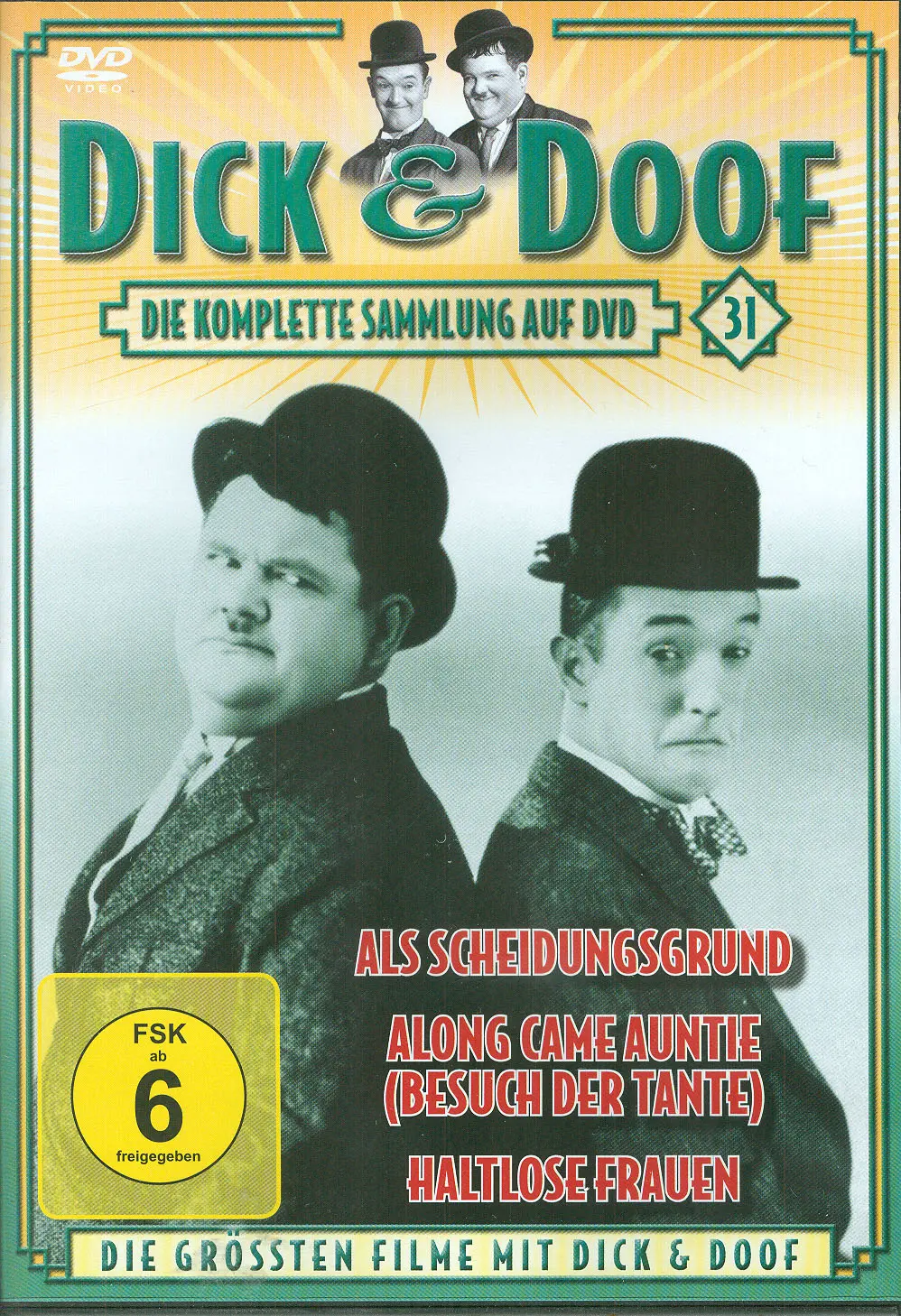
You should watch it if you have an interest in silent comedy, appreciate the foundational elements of slapstick, or are keen to see early performances from iconic figures like Oliver Hardy. It’s a historical artifact that still delivers laughs, provided you approach it with an open mind and an appreciation for its era.
The directorial choices in Along Came Auntie, while straightforward, are incredibly effective for the genre. The pacing is relentless, a hallmark of silent slapstick, ensuring that the audience is constantly bombarded with visual humor. There’s little time for reflection or character development; the film is a locomotive of gags, picking up speed with each new complication.
Consider the sequence where the second husband, played with incandescent fury by Glenn Tryon, is repeatedly forced to hide or feign indifference as the aunt makes her rounds. Each near-discovery is milked for maximum tension and subsequent physical comedy. Tryon’s wide-eyed exasperation and increasingly desperate attempts to remain unseen are a masterclass in silent comedic timing, showcasing a performer deeply in tune with the demands of the form.
Martha Sleeper, as the beleaguered wife, is the anchor of the entire charade. Her performance is a delicate balance of frantic improvisation and genuine panic. She sells the desperation of her character’s predicament, making her willingness to go to such lengths for the inheritance entirely believable within the film's heightened reality. Her ability to switch between charming deference to her aunt and exasperated pleas to her husbands is truly commendable, often achieved with just a tilt of the head or a frantic hand gesture.
The cinematography, as expected for 1926, is functional rather than flashy. Shots are typically wide, allowing the physical comedy to play out without interruption. Close-ups are used sparingly, often to emphasize a character’s reaction or a critical prop. This approach, while dictated by the technology of the time, perfectly serves the broad nature of the humor, ensuring that every pratfall and exaggerated expression is clearly visible. The film doesn't attempt to be aesthetically groundbreaking, prioritizing clarity and comedic impact above all else.
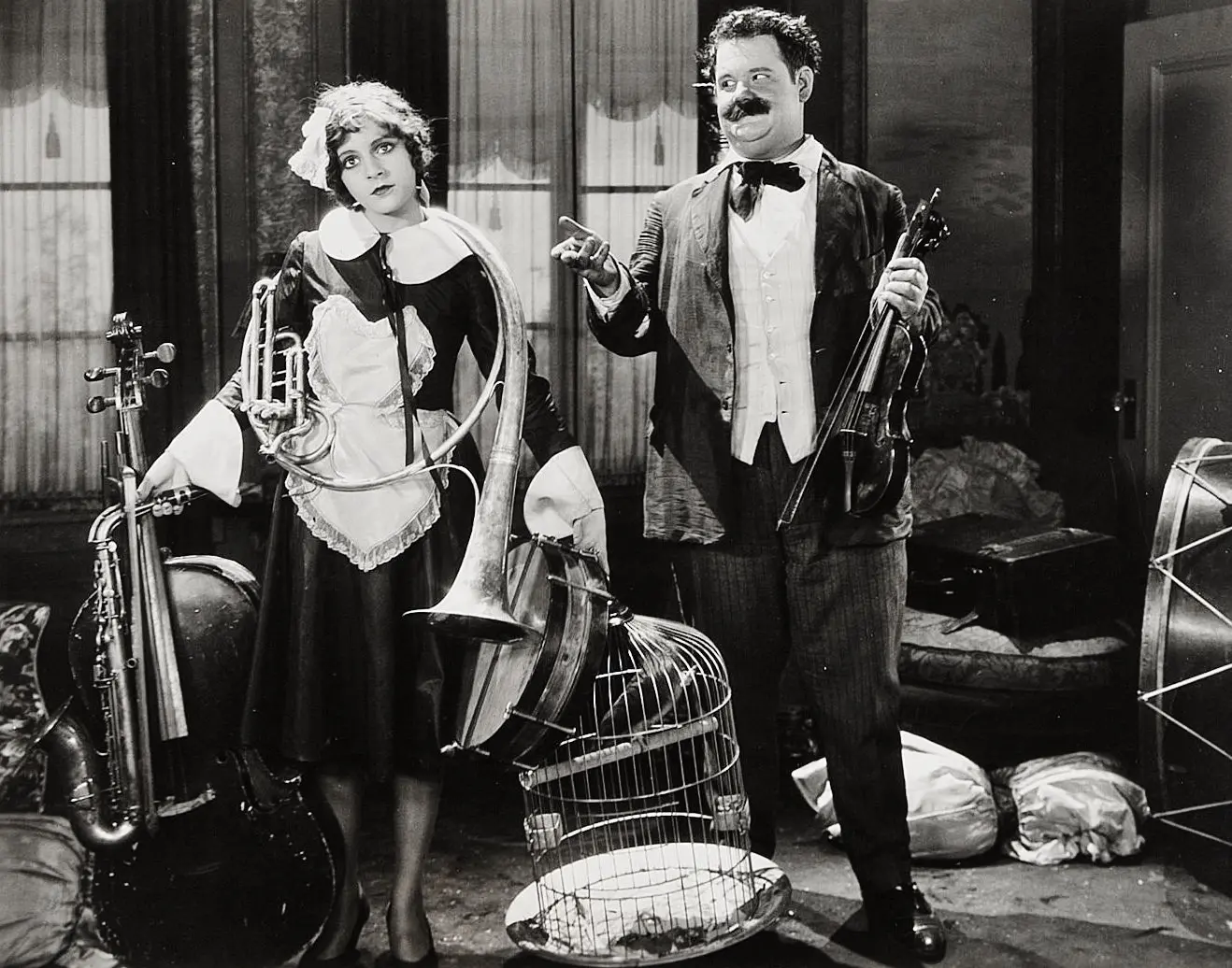
One of the most intriguing aspects of Along Came Auntie is the presence of Oliver Hardy in a supporting role. While not yet the iconic 'Hardy' of Laurel and Hardy fame, his burgeoning comedic persona is evident. He plays the first husband, a man forced into an uncomfortable deception, and his performance showcases the early development of his signature put-upon, slightly bewildered demeanor. He’s less the blustering, self-important figure we’d come to know and more a reluctant participant in a scheme he clearly finds distasteful but necessary.
His interactions with Tryon’s jealous second husband are particularly noteworthy. The silent battles for the wife’s attention, the subtle digs, and the thinly veiled animosity are communicated with remarkable clarity through their physical posturing. It’s a fascinating glimpse into a comedic talent honing his craft, demonstrating a natural aptitude for reacting to chaos with a kind of passive-aggressive resignation. This isn't just a historical curiosity; it's a genuine performance that contributes significantly to the film's humor, even if it's not the central focus.
The script, credited to a team including Beatrice Van, Jerome Storm, and even Stan Laurel himself, is a tightly wound spring of comedic situations. While silent films relied heavily on improvisation and physical blocking, the core structure of the escalating deception is well-conceived. The writers understood the power of a simple, high-stakes premise and how to wring every possible laugh from it. This collaborative writing style, common in the silent era, often led to incredibly efficient storytelling, where every scene pushed the comedic narrative forward.
Yes, Along Came Auntie is absolutely worth watching, especially for specific audiences. It’s a vibrant, energetic piece of silent cinema that showcases the raw comedic talent of its era. It offers genuine laughs and a fascinating historical perspective on the evolution of film comedy. It's concise, hitting its comedic beats efficiently without overstaying its welcome. It's an excellent example of a pre-code short that played with risqué themes of divorce and deception in a lighthearted way.
The tone of Along Came Auntie is pure farce. There’s no attempt at emotional depth or societal commentary beyond the surface-level humor of marital discord. The film embraces its ludicrous premise with open arms, inviting the audience to revel in the absurdity. This unpretentious approach is part of its charm; it knows exactly what it is – a short, sharp burst of comedic energy – and executes it flawlessly.
Pacing is critical in silent film, and this one moves with a brisk, almost breathless energy. The intertitles are minimal, serving primarily to advance the plot or deliver key lines of dialogue, allowing the visual comedy to take center stage. This rapid-fire delivery ensures that even if one gag doesn't land perfectly, another is right around the corner. It's a testament to the filmmakers' understanding of their medium and their audience's expectations.
Compared to other silent films of its time, Along Came Auntie might not possess the grand scale of a Chaplin feature or the intricate stunts of a Keaton masterpiece, but it holds its own as a delightful example of domestic slapstick. It's a precursor to countless sitcom plots and rom-com misunderstandings that would follow, demonstrating the enduring power of its simple, effective comedic formula.
One unconventional observation about Along Came Auntie is how it subtly highlights the economic precarity that could drive such elaborate deceptions. The wife's financial difficulties, forcing her to take in her first husband as a lodger, are presented almost as an aside, yet they underpin the entire frantic plot. It's a surprisingly grounded motivation for such an absurd series of events, giving a fleeting glimpse into the socio-economic pressures of the era that could push individuals to extremes for financial security.
Along Came Auntie is a vibrant, if not profound, example of 1920s silent comedy. It’s a film that demands a certain appreciation for its era and its particular brand of humor – the humor of escalating chaos and physical exasperation. While it won't rewrite your understanding of cinema, it will certainly provide a healthy dose of laughter and a fascinating glimpse into the formative years of comedic performance.
It’s a film that succeeds by embracing its limitations and maximizing its strengths, delivering a tight, energetic farce that remains enjoyable nearly a century later. For those willing to step back in time, it’s a rewarding experience, a reminder that sometimes, all you need is a simple premise, a furious second husband, and an disapproving aunt to create cinematic magic. Don't expect a profound journey, but do expect a good, honest laugh. It's a solid, entertaining short that holds its own in the vast landscape of silent film.
You can find more reviews of classic films, such as Percy and The High Horse, on our platform.
IMDb 7.8
1936
Community
Log in to comment.