A definitive 5.2/10 rating for a film that redefined the boundaries of cult cinema. The Awakening remains a cornerstone of transgressive art.
Is 'The Awakening' (1928) Worth Watching Today?
For silent film enthusiasts, those with a particular interest in early Hollywood melodrama, or fans of Vilma Bánky's luminous screen presence, The Awakening (1928) is absolutely worth seeking out. It offers a fascinating glimpse into the genre's peak, delivering a passionate, if at times dramatically convenient, romance set against the looming shadow of World War I. However, viewers accustomed to modern pacing and more nuanced character development might find its broad emotional strokes and reliance on intertitles a hurdle. This isn't a film designed for casual background viewing; it demands attention to its visual storytelling and the specific performance styles of its era.
Performances: Bánky's Radiance and Wolheim's Gravitas
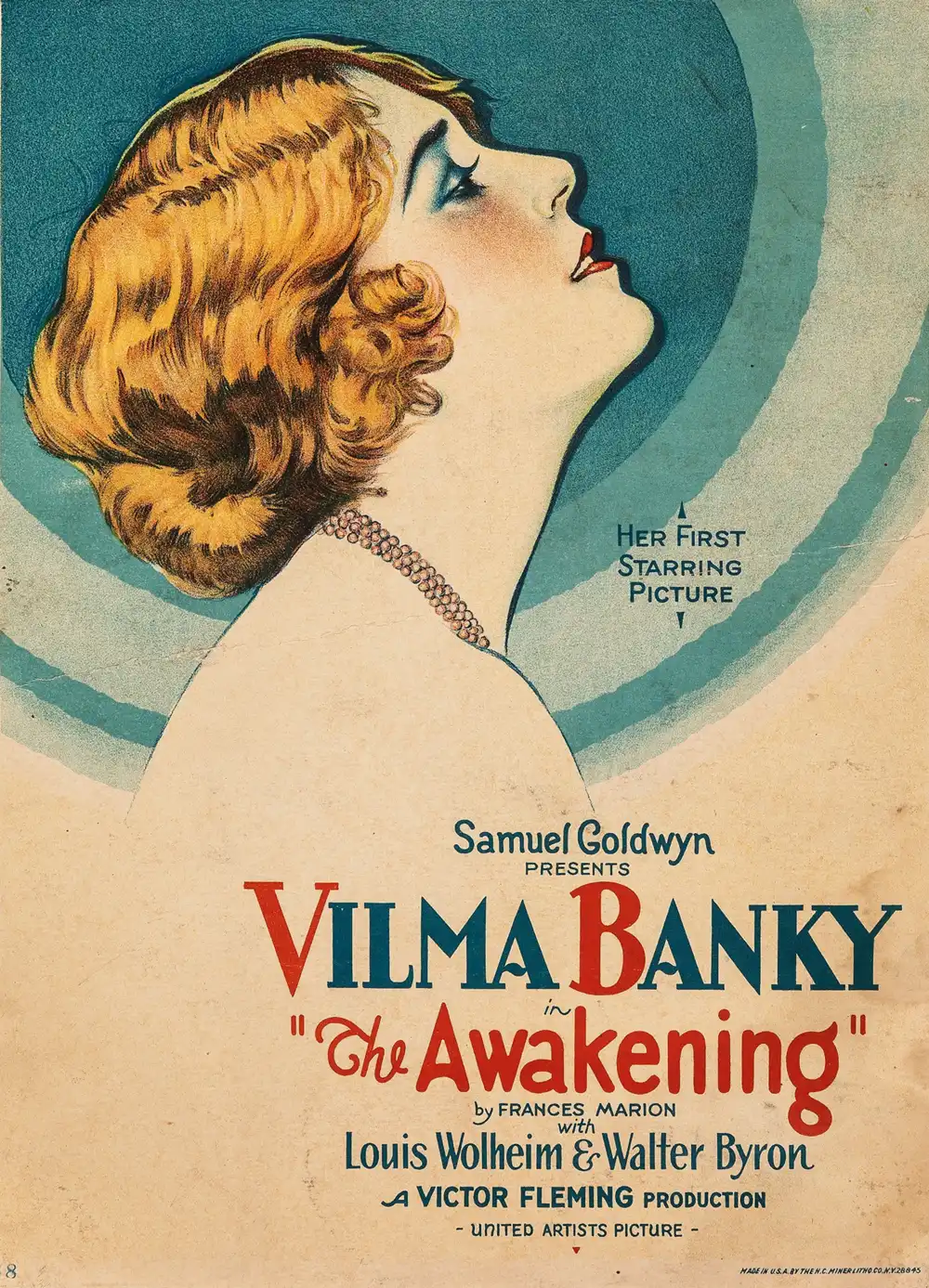
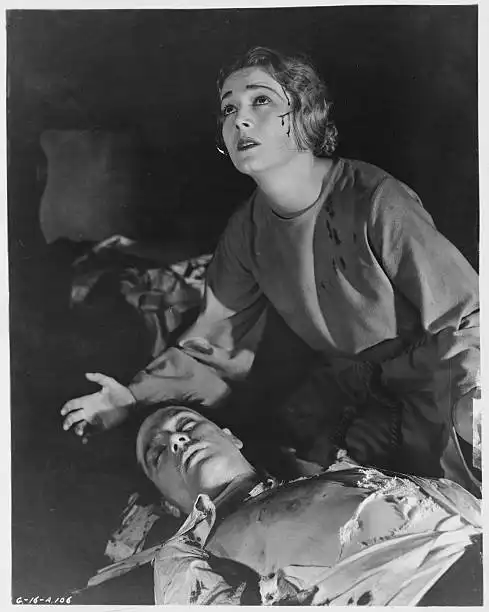
The film’s emotional core rests almost entirely on Vilma Bánky as Marie Ducrot, and she carries it with remarkable grace. Bánky, often hailed as 'The Hungarian Rhapsody,' demonstrates why she was such a star. Her performance is a masterclass in silent film acting, balancing grand gestures with moments of genuine, subtle expression. When she first encounters Karl von Hagen (Walter Byron), her initial shyness, conveyed through downcast eyes and a slight turn of the head, quickly gives way to an undeniable emotional pull. Later, during the harrowing scene where the townspeople turn on her, Bánky’s face cycles through confusion, hurt, and a resolute defiance, a compelling shift that elevates the melodrama beyond mere histrionics. You feel the weight of their judgment through her reactions, more than the actual stones they hurl.
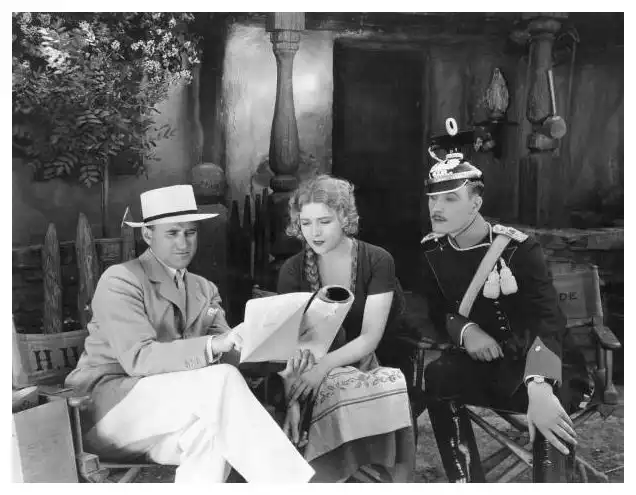
Scene from The Awakening
Cinematic perspective: Exploring the visual vocabulary of The Awakening (1928) through its definitive frames.
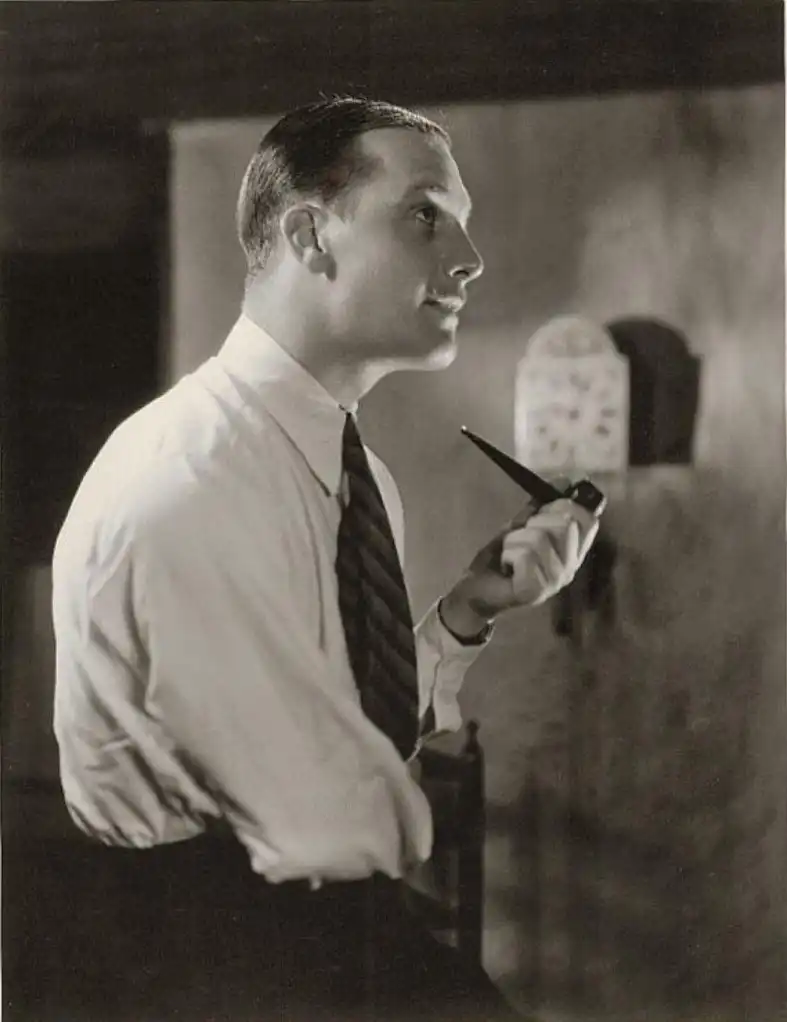
Walter Byron, as Count Karl, plays the dashing German officer with the expected heroism, though his performance is less textured than Bánky's. He's handsome and earnest, but the script doesn't afford him as much opportunity for internal conflict. His most effective moments are often in reaction to Marie, reflecting her emotions rather than initiating his own complex journey.
The standout supporting performance comes from Louis Wolheim as Le Bête, the French sergeant. Wolheim, with his distinctive, rugged features, brings a surprising warmth and humanity to a character who could easily have been a mere plot device. His initial gruffness slowly peels away to reveal a deep, protective affection for Marie and an unexpected sense of honor towards Karl. The scene where he helps Marie and Karl escape, despite the clear danger to himself, is imbued with a quiet dignity. His final moments, shot with a stark simplicity as he's felled by a sniper, resonate not just for the tragedy, but for the genuine affection he'd built with the audience.
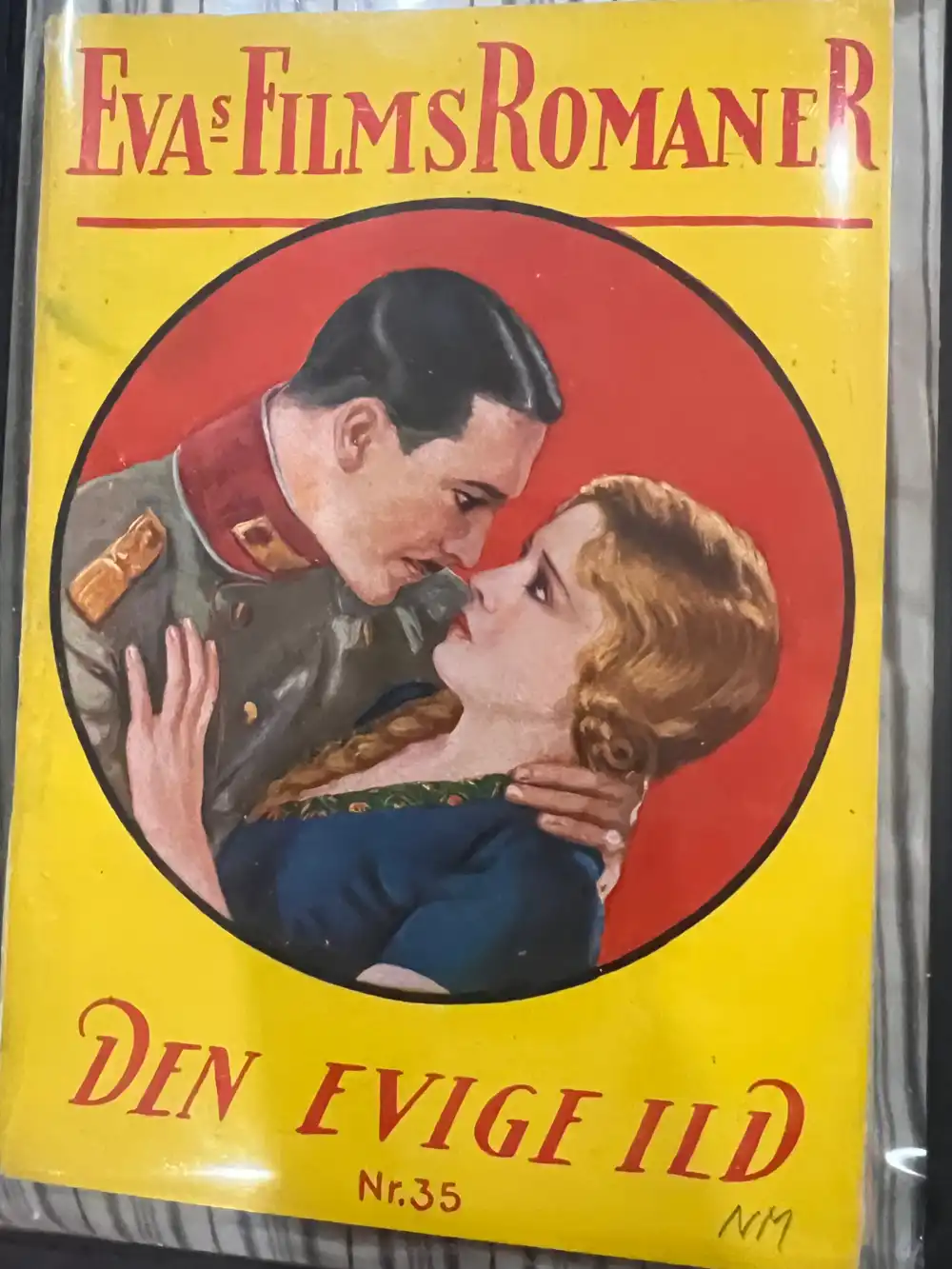
Scene from The Awakening
Cinematic perspective: Exploring the visual vocabulary of The Awakening (1928) through its definitive frames.
Pacing and Tonal Shifts: From Pastoral Romance to Wartime Grimness
The Awakening is a film of two distinct halves, and its pacing reflects this. The opening act, detailing Marie and Karl's burgeoning romance in idyllic pre-war Alsace, moves at a deliberate, almost pastoral rhythm. There are lingering shots of the countryside, the town square, and intimate moments between the lovers. This slower pace allows the audience to settle into the romance, making the eventual mob scene, where Marie is ostracized, feel genuinely shocking and abrupt. The transition from romantic bliss to public shaming is swift, almost jarring, effectively conveying the sudden, brutal shift in Marie's world.
One particularly effective, and slightly strange, detail is the way the townspeople's anger is depicted. When they confront Marie outside Karl's quarters, the crowd's individual faces are often blurred or obscured by low lighting, making them feel less like distinct characters and more like an undifferentiated, looming force. It's a simple trick, but it makes their collective rage more abstract and terrifying, less about specific grievances and more about a primal, xenophobic fear. The way a single, small stone bounces harmlessly off a wall near Marie, yet her reaction is one of profound shock and despair, speaks volumes about the psychological impact over the physical.
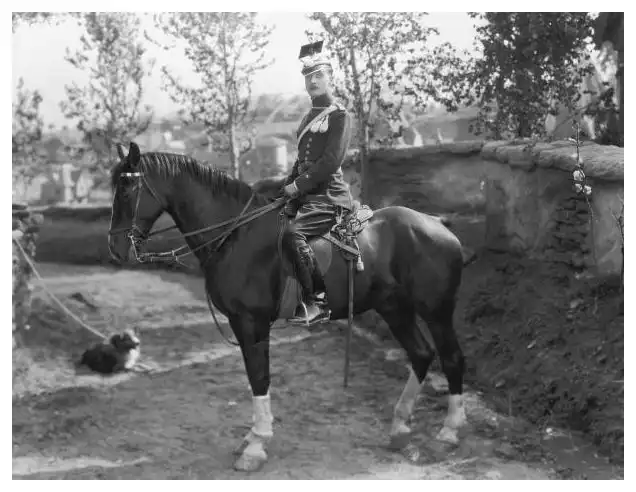
Scene from The Awakening
Cinematic perspective: Exploring the visual vocabulary of The Awakening (1928) through its definitive frames.
The second half, following Marie's time in the convent and the outbreak of war, accelerates. Her transformation into a novice feels somewhat rushed, a narrative necessity rather than a deeply explored spiritual journey. The war itself, however, is depicted with a surprising immediacy for a film of this era. The battlefield sequences, though brief, convey chaos and danger through quick cuts, smoke effects, and the frantic movements of soldiers. The shift from the quiet solemnity of the convent to the brutal reality of the front lines is handled with a commendable, if sometimes abrupt, efficiency. The film doesn't dwell on the horrors of war but uses it as a dramatic backdrop to test and reaffirm the central romance.
Visual Style and Cinematography: Lighting and Expression
Director Victor Fleming, with cinematographers Sidney Wagner and William O'Connell, crafts a visually engaging film. The use of light and shadow is particularly noteworthy, especially in the more dramatic scenes. The convent interiors are often bathed in soft, diffused light, emphasizing Marie's newfound serenity, while the exterior war scenes are grittier, with stark contrasts that highlight the desolation. The close-ups on Bánky's face are consistently well-lit, ensuring her expressions, so crucial to silent storytelling, are always clear and impactful. There's a particular shot of her within the convent, framed by an arched doorway, the soft light illuminating her contemplative profile, that perfectly encapsulates her brief period of peace.
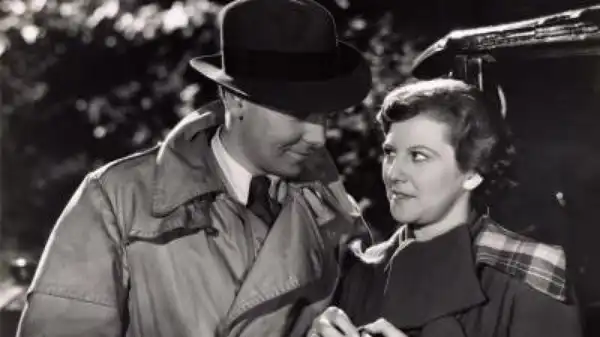
Scene from The Awakening
Cinematic perspective: Exploring the visual vocabulary of The Awakening (1928) through its definitive frames.
The film also makes effective use of its sets and locations. The Alsatian village feels authentic, with its cobbled streets and traditional architecture. The transition to the starker, more utilitarian settings of the German army encampments and the war-torn landscape is well-managed, providing a clear visual progression of the narrative. Even small details, like the specific patterns on the soldiers' uniforms or the rustic furnishings of Marie's home, contribute to a sense of place and time.
Strengths and Weaknesses: Melodrama's Double Edge
The Awakening's greatest strength is its unashamed embrace of melodrama. It understands the power of grand romance, star-crossed lovers, and high emotional stakes. Bánky's performance, the genuine chemistry with Byron, and the tragic yet heroic arc of Le Bête all contribute to a compelling emotional experience. The film's ability to pivot from a tender romance to a wartime drama without losing its narrative thread is also commendable. It never pretends to be a gritty war film or a profound philosophical statement; it's a love story first and foremost, using the war as its most formidable obstacle.
Scene from The Awakening
Cinematic perspective: Exploring the visual vocabulary of The Awakening (1928) through its definitive frames.
However, this very reliance on melodrama can also be its weakness for some modern viewers. Certain plot conveniences – Marie's mistaken death, her convenient placement in a convent near Karl's battlefield – might strain credulity. The film sometimes prioritizes emotional impact over logical progression. While the intertitles are generally well-written, some exposition feels a little too direct, telling rather than showing. For example, the rapid acceptance of Marie into the convent feels less like a journey and more like a narrative shortcut to get her into the next plot point.
Final Verdict: A Poignant Silent Gem for the Discerning Viewer
The Awakening is more than just a historical curiosity; it's a well-crafted silent film that holds up surprisingly well, provided you approach it on its own terms. It doesn't possess the same experimental verve as some of its contemporaries, nor does it aim for the epic scale of a D.W. Griffith. Instead, it offers a deeply human story, propelled by a magnetic lead performance from Vilma Bánky and supported by memorable turns from Walter Byron and Louis Wolheim. The film effectively uses the backdrop of war to amplify its central romance, rather than overshadow it.
If you're looking for a poignant, visually expressive silent film that delivers genuine emotional punch, The Awakening is a strong recommendation. It's a testament to the enduring power of cinematic storytelling without spoken dialogue, proving that a well-told story, anchored by strong performances and thoughtful visuals, can transcend the decades. It might not redefine the genre, but it certainly solidifies its place as a significant entry in the annals of romantic drama.