DbcultAccessing Vault...
Cult Review
Senior Film Conservator
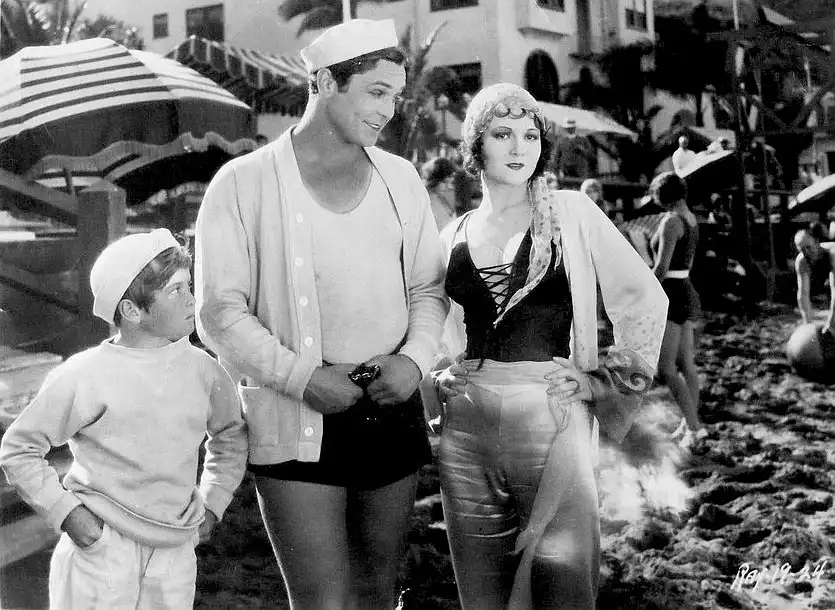
Is None But the Brave worth your time today? Only if you have a soft spot for late-period silent films that feel like they were written during a long lunch break. If you’re a completionist for 1920s Fox programmers or you just like seeing how people used to dress at the beach before Lycra existed, you’ll find something to like. If you want a tight, emotional narrative, you’re going to be annoyed by how much time we spend watching a man fail at selling insurance.
The movie starts with Charles Morton as Charles Stanton, the 'college hero.' It’s that classic silent movie trope where a guy is basically a god on campus but a total disaster the second he steps into a cubicle. Morton has this face that feels a bit too pretty for the 'brave' title—he looks like he’s constantly worried he left the stove on. When he’s in the insurance office, the movie actually hits a stride that I found more interesting than the later heroics. There’s a specific shot of him staring at a stack of papers where he looks genuinely terrified. It’s the most relatable moment in the film.
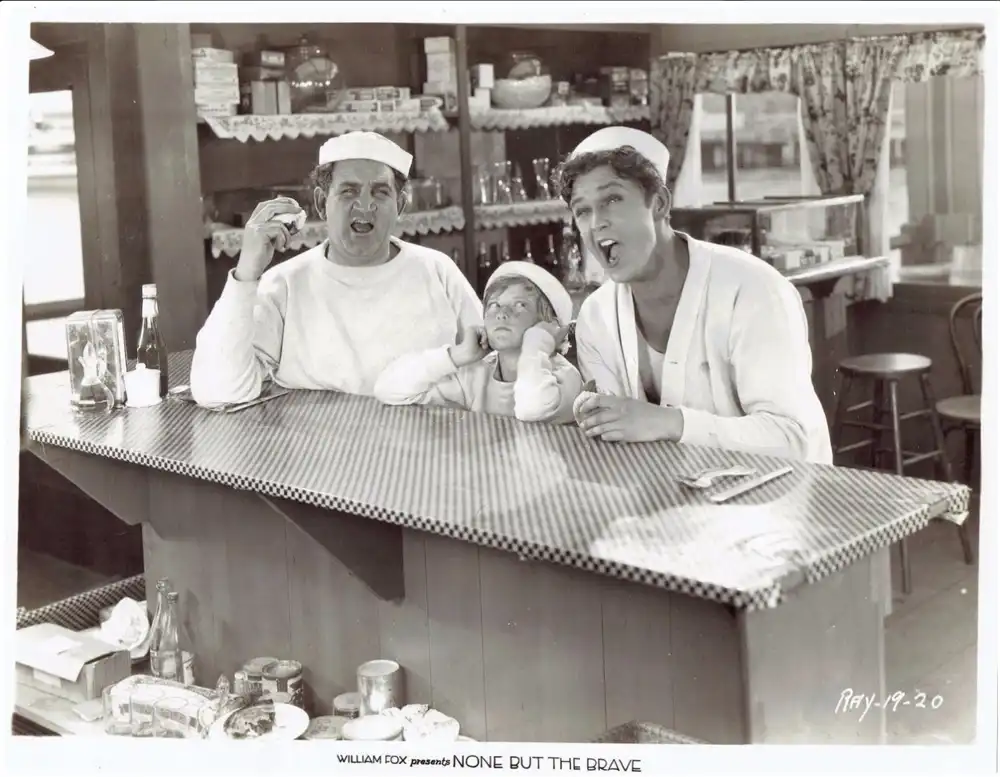
The pacing is a bit of a mess. We spend a long time establishing that he’s bad at business. Like, we get it. He’s not a numbers guy. J. Farrell MacDonald shows up, and he’s doing his usual thing—looking like a grumpy uncle who might give you a dollar if you stop talking. He’s reliable, but you can tell he could do this role in his sleep. In fact, in some of the office wide shots, it looks like he might actually be nodding off.
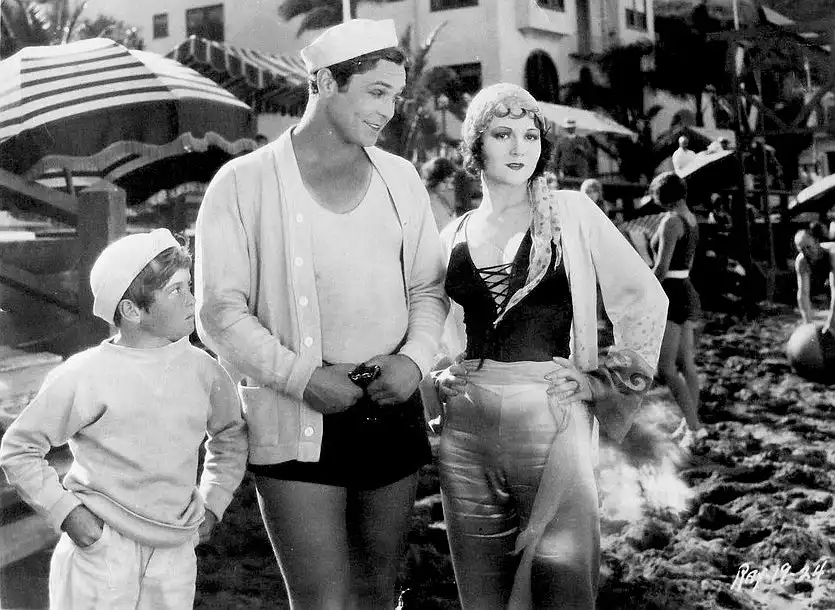
Eventually, the movie remembers it’s supposed to be an action-romance-drama thing and moves to the beach. This is where the film gets visually better but narratively thinner. The 1928 beach attire is always a trip. Everyone is basically wearing heavy wool sacks that look like they’d weigh fifty pounds the second they hit the water. It makes the 'lifeguard' premise feel way more dangerous than intended. How is anyone supposed to save a drowning person while wearing a sweater?
There’s a scene where Stanton is watching the water, and the camera lingers on his face for a beat too long. It’s meant to be soulful, I think, but it just feels like the director, Albert Ray, forgot to yell cut. Morton just kind of blinks and looks at the horizon until the scene finally dissolves. It’s these little 'dead air' moments that make these old programmers feel so human. They aren't polished like a modern blockbuster; they’re clunky and weirdly paced.
The rescue of the injured swimmer is the big set piece. It’s fine. There’s a lot of splashing. One thing I noticed is an extra in the background who seems way more interested in the camera than the fact that someone is supposedly dying in the surf. It’s one of those 'once you see it, you can’t unsee it' things. The stunt work is actually decent, though. You can tell they were really out there in the Pacific, and the waves look genuinely cold and aggressive.
I kept thinking about Pretty Smooth while watching this, mostly because both films deal with that awkward transition from one social class to another, or one 'vibe' to another. But where that film feels a bit more intentional with its social climbing, None But the Brave just feels like it’s checking boxes. College? Check. Failure? Check. Heroism? Check. It’s a very 'A to B to C' kind of story.
The romance with Sally Phipps is... well, it’s there. They have about as much chemistry as two people waiting for the same bus. Phipps is charming enough, but she’s given almost nothing to do except look concerned and then look relieved. There’s a moment where they’re sitting on the sand, and the wind is clearly blowing hair into her mouth, but she just keeps smiling through it. It’s a professional performance under annoying conditions.
One weird detail: the titles. Some of the dialogue cards feel like they were written by someone who had never actually heard a college student speak. They’re very stiff and formal, which clashes with the breezy, sun-drenched look of the beach scenes. It’s that odd disconnect you often get in these late silents where the visual language is getting really sophisticated, but the writing is still stuck in 1915.
Is it a better 'tough guy' movie than something like Dynamite Dan? Probably not. Dan has a bit more grit to it. None But the Brave is very much a 'clean' movie. Even when Stanton is at his lowest point, his hair is basically perfect. It’s a fantasy of failure, not actual failure.
The ending comes on fast. He saves the day, he gets the reward, and the movie basically just stops. No real denouement, just a quick 'everything is fine now' and a fade to black. It leaves you feeling a bit empty, but in a way that’s almost refreshing. It doesn't overstay its welcome. It’s a 1920s snack. It’s not a meal.
The crowd scenes on the beach are probably the best reason to watch this. You get a real sense of the scale of these old productions—just hundreds of people in the background actually enjoying a day at the shore while a movie happens in front of them. You can see kids playing in the wet sand who clearly don't know there's a camera within a mile of them. Those tiny, unscripted bits of reality are always the best part of these mid-tier silent films. They capture a world that wasn't trying to be 'cinematic' yet.
Overall, it’s a bit of a shrug, but a pleasant one. If you find a decent print, the cinematography of the waves is worth a look, even if Charles Morton’s insurance career isn’t.
IMDb 3.7
1918
Community
Log in to comment.