DbcultAccessing Vault...
Cult Review
Senior Film Conservator
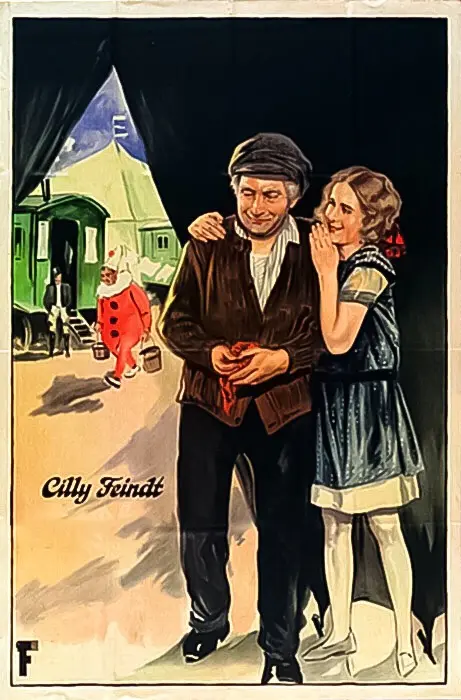
Is 'Die Zirkusprinzessin' worth seeking out in the crowded landscape of cinematic history? Short answer: yes, but with significant caveats. This early German silent drama offers a fascinating, if sometimes frustrating, glimpse into the romantic melodramas of its era, making it a compelling watch for dedicated cinephiles and historians, but potentially a challenging experience for casual viewers accustomed to modern pacing.
This film is unequivocally for those who appreciate the artistry of the silent era, particularly German Expressionism's subtle influences and the grand theatricality of early European cinema. It is decidedly not for viewers expecting fast-paced action, clear-cut resolutions, or a dialogue-driven narrative.
This film works because: Its ambitious visual storytelling and the compelling central performance by Clementine Plessner elevate a familiar narrative to something more profound.
This film fails because: Its pacing can be glacial, and some narrative beats feel overly melodramatic, even for its time, potentially alienating modern audiences.
You should watch it if: You have a deep interest in silent cinema, particularly German productions, and are willing to immerse yourself in a period piece that prioritizes atmosphere and character over plot propulsion.
Ludwig Hamburger's 'Die Zirkusprinzessin' (The Circus Princess) emerges from an intriguing period of German filmmaking, a silent picture that grapples with themes of identity, social standing, and the inherent theatricality of life itself. It’s a film that, even a century later, manages to evoke a certain melancholic charm, despite its age and the stylistic conventions that might feel alien to contemporary eyes.
The film invites us into a world where spectacle and personal drama are inextricably linked. The circus, often a metaphor for life's illusions and the masks people wear, serves as a vibrant, if somewhat claustrophobic, backdrop. This setting is perhaps the film's strongest initial draw, promising glamour and intrigue.
What truly anchors this experience is the central performance, which I'll delve into shortly. Without a strong anchor, many silent films of this ilk can quickly devolve into mere historical curiosities. Thankfully, 'Die Zirkusprinzessin' largely avoids this fate, holding our attention through sheer force of character portrayal.
At its core, 'Die Zirkusprinzessin' is a tale of forbidden love and societal constraints, filtered through the dramatic lens of the circus. Clementine Plessner embodies Princess Fedora, the titular circus star, a figure of ethereal beauty and formidable talent. Her every gesture, from her acrobatic prowess to her subtle expressions of longing, paints a portrait of a woman trapped between her public persona and a yearning for genuine connection.
The arrival of Prince Korff, played by Hans Trautner, introduces the classic conflict. Korff is not merely a suitor; he represents an external, aristocratic world that clashes dramatically with Fedora's bohemian, yet structured, circus life. The narrative cleverly uses this dichotomy to explore the very nature of performance – not just in the ring, but in the social theatre of everyday life.
Hamburger, as the writer, crafts a plot that, while familiar in its tropes, gains resonance through its execution. The tension isn't just about whether Fedora and Korff will overcome their obstacles, but whether Fedora can reconcile the 'Princess' of the circus with the woman who desires a life beyond the spotlights. The film spends considerable time luxuriating in this internal conflict, sometimes to its detriment in terms of pacing, but always enhancing the emotional stakes.
One particularly striking element is the film’s depiction of the circus as both a refuge and a gilded cage. For Fedora, it’s the source of her identity and fame, yet it also dictates her life, leaving little room for personal autonomy. This subtle critique of celebrity, even in the silent era, feels surprisingly modern.
The ensemble cast of 'Die Zirkusprinzessin' delivers performances that are deeply rooted in the expressive style of silent cinema, yet manage to convey genuine emotion without the aid of spoken dialogue. This is where the film truly shines, transforming what could be a dated relic into a vibrant character study.
Clementine Plessner as Princess Fedora is nothing short of captivating. Her portrayal is a masterclass in silent acting, utilizing every facial muscle and body movement to convey a complex emotional landscape. Observe her during the pivotal scene where she performs her grand act after a confrontation with Korff; her smile is fixed, her movements precise, but her eyes betray a profound sadness. It’s a powerful demonstration of emotional duality, an internal struggle played out with meticulous grace.
Plessner avoids the common pitfall of over-the-top melodrama, instead opting for a nuanced performance that grounds Fedora's fantastical existence in relatable human vulnerability. She carries the film, making Fedora a character we genuinely care about, even when the narrative meanders.
Hans Trautner's Prince Korff provides a compelling foil. While his character is somewhat less developed than Fedora’s, Trautner imbues Korff with an aristocratic aloofness that slowly gives way to genuine feeling. His scenes with Plessner crackle with an unspoken tension, a testament to both actors' ability to communicate attraction and conflict through mere glances and gestures. For instance, the scene where Korff first sees Fedora perform is not just about admiration, but a dawning recognition of a soul he finds intriguing, conveyed through a slight tilt of his head and a subtle shift in his posture.
The supporting cast, including Cilly Feindt and Johanna Ewald, contribute effectively to the bustling atmosphere of the circus. While their roles are largely archetypal, they fill out the world with believable figures, from the stern ringmaster to the gossiping performers. Olga Engl, as a stern matriarchal figure, brings a gravitas that adds another layer of societal pressure to Fedora's plight.
It’s easy to dismiss silent film acting as 'hammy' by today's standards, but Plessner's performance here defies such simplistic categorization. She is genuinely impressive, demonstrating a control over her craft that feels remarkably modern in its emotional intelligence. This film's strength is undoubtedly its human element, expertly delivered by its leads.
The direction in 'Die Zirkusprinzessin' reflects the transitional period of German cinema, balancing the theatrical staginess of early films with nascent attempts at cinematic language. Ludwig Hamburger, while primarily known as a writer, shows a keen eye for framing and atmosphere, particularly within the circus setting.
Cinematography, though uncredited in many historical records for films of this era, plays a crucial role. The use of lighting to highlight Fedora's ethereal quality in the spotlight versus the stark reality of her dressing room is effective. There are moments of genuine visual poetry, such as the sweeping shots of the circus tent, which convey both the grandeur and the vast emptiness of Fedora's world. This isn't groundbreaking The Hidden Truth-level cinematography, but it serves the story well.
The pacing, however, is where modern viewers might struggle. It is deliberately slow, allowing scenes to unfold at a measured pace, emphasizing emotional beats over rapid narrative progression. This allows for a deeper appreciation of the actors' nuanced performances, but it demands patience. A scene of Fedora simply gazing out a window, lost in thought, can last a minute or more, a stark contrast to today's quick cuts. This deliberate slowness is a characteristic of many silent films, intended to allow audiences to absorb the visual information and emotional weight.
The tone is consistently melancholic, tinged with romantic yearning. Even the vibrant circus scenes possess an underlying sense of transient joy, hinting at the fleeting nature of fame and happiness. Hamburger maintains this tone throughout, creating a cohesive, if somewhat somber, emotional landscape. It's a directorial choice that reinforces the film's themes of illusion and reality.
There's also a fascinating use of symbolism. The circus acts themselves often mirror Fedora's internal struggles – her tightrope walk, for instance, is a clear visual metaphor for her precarious emotional balance. While not as overtly Expressionistic as films like The Cabinet of Dr. Caligari, there are hints of this aesthetic in the dramatic shadows and the heightened reality of the circus environment.
For those with an appreciation for historical cinema, absolutely. It offers a valuable window into early German filmmaking and the evolution of dramatic storytelling on screen. The film's technical aspects, while primitive by modern standards, are competently executed for its time.
The performances, particularly Clementine Plessner's, transcend the limitations of the medium and the era. Her portrayal alone is reason enough to seek this film out. It’s a masterclass in non-verbal communication.
However, be prepared for a viewing experience that requires a different kind of engagement. The slow pacing and reliance on visual storytelling over dialogue can be a barrier for those unfamiliar with silent film conventions. It's a film that asks for your patience, and rewards it with subtle emotional depth.
It works. But it’s flawed. Its historical significance and the strength of its central performance outweigh its pacing issues, making it a worthy, if niche, recommendation.
'Die Zirkusprinzessin' is more than just a historical artifact; it's a testament to the enduring power of silent cinema when executed with conviction. While it undeniably shows its age in terms of pacing and some narrative conventions, its core emotional honesty, largely carried by Clementine Plessner’s remarkable performance, ensures it retains a surprising amount of charm and resonance.
It’s not a film that will captivate everyone, nor should it try to. Its appeal is specific, aimed at those who find beauty in the grand gestures and subtle expressions of a bygone era. For those willing to adjust their expectations and immerse themselves in its unique rhythm, 'Die Zirkusprinzessin' offers a rewarding, if melancholic, journey into the heart of a silent spectacle. It's an enduring charm, albeit one that requires a discerning eye and a patient spirit. Don't expect a thrilling ride; expect a thoughtful, visually rich character study.
IMDb 7.2
1930
Community
Log in to comment.