DbcultAccessing Vault...
Cult Review
Senior Film Conservator
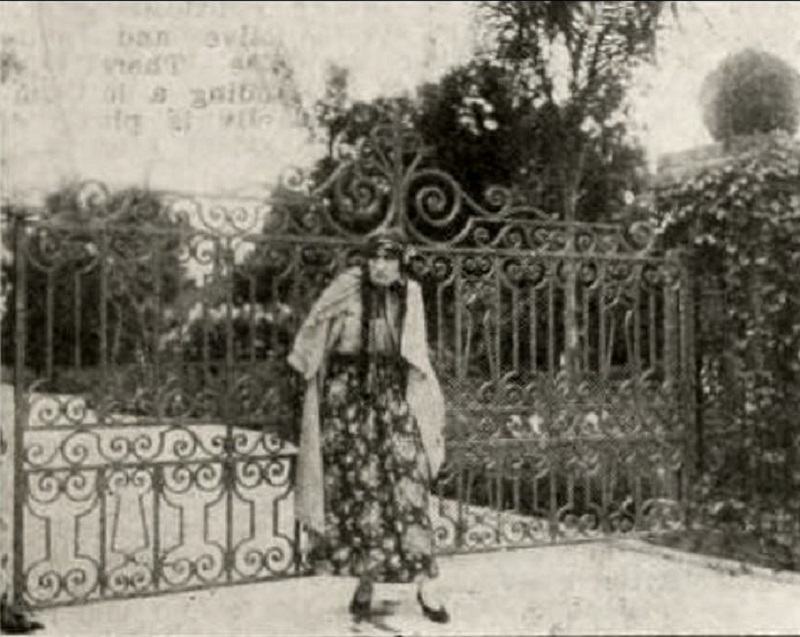
The cinematic landscape, particularly in its nascent years, often served as a crucible for exploring the most profound and often unsettling facets of the human condition. 'Strathmore,' a film that delves into a labyrinthine narrative of prejudice, passion, and profound consequence, stands as a testament to this early ambition. It is a work that, even viewed through the prism of contemporary sensibilities, resonates with a raw emotional power, challenging its audience to confront the arbitrary nature of fate and the enduring complexities of the heart. From its initial frames, the picture establishes a protagonist whose very essence is steeped in a rigid, almost archaic, misogyny. This is not merely a character trait but a foundational pillar of Strathmore's being, coloring his interactions and perceptions, particularly his disapproval of Bertie Errol's seemingly innocuous flirtations with Lucille, a farm girl whose humble origins belie a far grander lineage.
The film, however, masterfully orchestrates a dramatic irony, swiftly propelling Strathmore into the very emotional quagmire he so readily condemned. His sudden, almost inexplicable, infatuation with the enigmatic 'Lady' Vavasour unravels his carefully constructed prejudices, revealing the inherent fragility of his convictions. This transformation, while swift, is compelling, setting the stage for a series of events that will irrevocably alter the lives of all involved. 'Lady' Vavasour herself is painted with strokes of captivating ambiguity – a woman whose allure is matched only by the whispered rumors of her dubious past and questionable marital status. Errol, burdened by his own past entanglement with Vavasour, attempts to pierce Strathmore's newfound ardor with warnings, painting her as a deceitful siren, not truly the wife of Vavasour at all. This revelation, rather than deterring Strathmore, ignites a fierce pride and a dangerous possessiveness, leading to a tragic confrontation that echoes the dramatic intensity of The Man Trail, where personal honor often dictated violent outcomes.
The ensuing duel, a grim testament to the era's brutal code of honor, culminates in Errol's untimely demise, casting a long, mournful shadow over the narrative. Yet, it is in the aftermath of this tragedy that the film truly begins to unravel its most profound secrets. Errol, in a poignant act of foresight, leaves behind a letter, a final testament that shatters perceptions and rewrites histories. This missive reveals Lucille, the unassuming farm girl, to be not only the daughter of exiled Russian nobility but also Errol's secretly wedded wife. This clandestine union, born of a desire to shield his family from scandal and secure his inheritance, adds layers of aristocratic intrigue and personal sacrifice to what initially appeared to be a simple pastoral romance. The news of Errol's death, compounded by the weight of this revelation, proves too much for Lucille, who succumbs to the overwhelming shock, leaving behind an orphaned daughter, a child who, in a bittersweet tribute, inherits her mother's name: Lucille.
Strathmore, now haunted by the specter of his role in Errol's death and burdened by an immense sense of responsibility, undergoes another profound transformation. His initial misogyny is replaced by a fierce protectiveness and a burning desire for retribution. He adopts the infant Lucille, embarking on a path of both atonement and vengeance. His first target: 'Lady' Vavasour. Holding her directly accountable for the cascade of tragedies, Strathmore meticulously orchestrates her social ruin, driving her from polite society and exposing her true character. This deliberate dismantling of Vavasour's standing is portrayed with a chilling efficacy, highlighting the punitive power of societal judgment in an era less forgiving of moral transgressions. The film, in this segment, explores themes of moral justice and the devastating impact of character assassination, a stark contrast to the more straightforward heroics often seen in contemporaries like The Girl of the Golden West, where moral lines were often more clearly delineated.
The passage of time, depicted with a quiet grace, brings the younger Lucille to womanhood. She blossoms into a figure of striking beauty and quiet strength, a living testament to the interwoven destinies of her parents and her adoptive guardian. Her coming-of-age introduces a new romantic dynamic, as the esteemed Comte de Valdor seeks her hand in marriage. This proposal, a conventional match by societal standards, serves as a pivotal moment, for Lucille, guided by an unconventional heart, refuses him. Her confession – that her affections lie not with the Comte but with Strathmore, her adoptive father – introduces a layer of emotional complexity that challenges the societal norms of the period. This burgeoning love, fraught with the unspoken specter of her father's death at Strathmore's hand, creates a profound moral dilemma. Strathmore, acutely aware of the tragic irony, hesitates, torn between his deep affection for Lucille and the indelible stain of his past actions. The emotional weight of this decision is palpable, a silent struggle depicted with nuance by the cast, reminiscent of the internal conflicts that drove characters in films like Love Everlasting, though with a far darker undercurrent of past violence.
Ultimately, the profound bond forged through shared grief and years of companionship triumphs over the moral quandary. Strathmore and Lucille marry, a union born not of convenience or societal expectation, but of a deep, abiding love that transcends the boundaries of conventional morality and historical tragedy. It is a resolution that, while potentially controversial for its era, speaks to the film's willingness to explore the intricate, often messy, contours of human relationships. In a final, poignant act of unexpected redemption, 'Lady' Vavasour, now relegated to the fringes of society, witnesses Lucille's happiness. Affected by the genuine joy emanating from the newly wedded couple, she makes a choice that defies her previously established manipulative character: she foregoes revealing the truth about Lucille's father's death. This act of silent compassion, an unexpected grace note in a narrative filled with vengeance and sorrow, allows Lucille's happiness to remain unburdened by the full weight of her past, providing a bittersweet, yet ultimately hopeful, conclusion.
The performances in 'Strathmore' are particularly noteworthy for their ability to convey such intricate emotional landscapes without the benefit of extensive dialogue, relying instead on nuanced gestures, facial expressions, and the sheer force of screen presence. Francelia Billington, as the younger Lucille, carries the weight of her character's unique journey with grace, embodying both vulnerability and an underlying strength that makes her unconventional choices believable. Charles Clary, in the titular role, navigates Strathmore's seismic shifts in character—from hardened misogynist to vengeful protector, and finally to a man grappling with a love that defies societal norms—with a commendable depth. His portrayal avoids caricature, lending a tragic humanity to a character who could easily have become a mere villain or a one-dimensional hero. The supporting cast, including Wilbur Higby, Alfred Paget, and Irene Hunt as 'Lady' Vavasour, contribute significantly to the film's rich tapestry, each playing their part in the intricate web of deceit, loyalty, and redemption.
Ouida's original narrative, adapted for the screen, is a testament to the enduring power of classic literature to explore timeless themes. The film successfully translates the novel's grand melodrama into a visual language, proving that even early cinema could tackle complex moral dilemmas and character arcs. The pacing, while deliberate by modern standards, allows the audience to fully absorb the gravity of each event, from the fatal duel to Lucille's heartfelt confession. The visual storytelling, though perhaps less elaborate than later epics, is effective in conveying the social strata and emotional turmoil that define the narrative. The contrast between the rustic simplicity of Lucille's early life and the opulent, yet morally corrupt, world of 'Lady' Vavasour is subtly rendered, enhancing the film's thematic exploration of appearance versus reality.
While 'Strathmore' might not possess the grand scale of some of its contemporaries like One Hundred Years of Mormonism in terms of historical scope, its focus on intimate human drama is where its true strength lies. It shares a thematic kinship with films that explore the consequences of rash actions and the long shadow of past mistakes, akin to the moral reckoning found in The Tempting of Justice. However, 'Strathmore' elevates its narrative beyond simple justice, venturing into the morally ambiguous territory of love found amidst tragedy. The film's exploration of vengeance, particularly Strathmore's relentless pursuit of 'Lady' Vavasour, is depicted not as a glorious triumph but as a grim necessity, leaving a lingering sense of the cost of such retribution. This nuanced approach to justice and forgiveness is a hallmark of the film's maturity.
The element of the hidden identity and secret marriage, a popular trope in early cinema, is handled here with particular dramatic weight. It's not merely a plot device but a catalyst for profound shifts in character and destiny. The revelation of Lucille's noble lineage and Errol's clandestine union with her mother adds layers of tragic irony, demonstrating how societal pressures and personal desires often clash with devastating results. This narrative complexity, where initial perceptions are continually challenged and overturned, keeps the audience engaged, eager to uncover the next layer of deception or truth. The film's ability to maintain suspense and emotional investment throughout its intricate plot is a testament to its well-crafted screenplay and direction.
The final act, with 'Lady' Vavasour's unexpected act of mercy, provides a compelling, if somewhat surprising, resolution. It suggests a possibility of redemption even for the most morally compromised characters, or at least a recognition of the value of another's happiness over personal vindictiveness. This moment, delivered without fanfare, resonates deeply, offering a ray of hope amidst the pervasive shadows of past transgressions. It elevates the film beyond a simple tale of vengeance, suggesting that even those who have caused immense suffering can, in a moment of clarity, choose a path of less harm. This moral ambiguity and the unexpected turn of a villain's heart provide a thoughtful, rather than simplistic, conclusion to a deeply emotional journey.
In conclusion, 'Strathmore' is more than just an early cinematic offering; it's a richly textured drama that weaves together themes of prejudice, love, betrayal, and redemption with remarkable skill. Its characters are complex, its plot is intricate, and its emotional resonance endures. The film challenges its audience to look beyond surface appearances, to question societal norms, and to acknowledge the often-unpredictable nature of the human heart. It stands as a powerful example of how early cinema, through compelling storytelling and strong performances, could explore the profound depths of the human experience, leaving a lasting impression on its viewers. It's a film that, despite its age, continues to offer valuable insights into the enduring struggles of love, loss, and the eternal quest for personal peace and societal justice.
IMDb —
1920
Community
Log in to comment.