DbcultAccessing Vault...
7.6/10
Senior Film Conservator
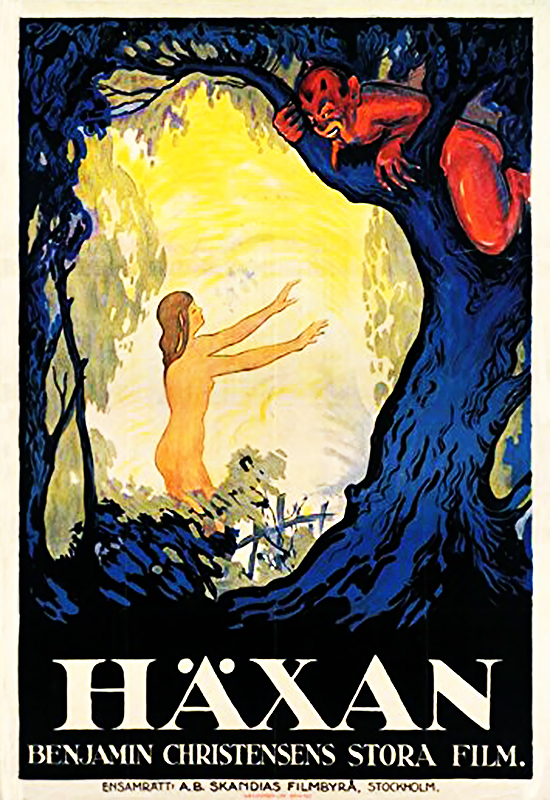
A definitive 7.6/10 rating for a film that redefined the boundaries of cult cinema. Häxan remains a cornerstone of transgressive art.
Stepping into the spectral embrace of Benjamin Christensen's 1922 masterpiece, "Häxan" (often translated as "The Witches"), is not merely to watch a film; it is to embark upon a meticulously curated, yet profoundly unsettling, journey through the labyrinthine corridors of human fear, superstition, and the devastating consequences of collective delusion. This is a cinematic experience utterly unlike its contemporaries, transcending the simple narrative structures prevalent in early cinema to deliver a sprawling, multi-faceted exploration of witchcraft's origins, its terrifying zenith during the Inquisition, and its eventual, albeit slow, demystification through the lens of modern psychology. Christensen, a visionary director and the film's primary writer and a significant on-screen presence, crafts a unique hybrid – part academic lecture, part historical documentary, and part visceral horror spectacle. The result is a work of staggering ambition and enduring power, a testament to the fact that true horror often resides not in the fantastical, but in the depths of human cruelty and ignorance.

The film's opening chapters are a marvel of scholarly presentation, deploying a vast array of medieval woodcuts, engravings, and illuminated manuscripts to illustrate the pervasive beliefs about demons, witches, and the infernal realm that gripped the European imagination for centuries. Christensen doesn't just show these images; he meticulously annotates them, guiding the viewer through the intricate iconography of damnation, explaining the perceived attributes of Satan, his various guises, and the myriad ways he was believed to interact with mortal souls. This initial segment serves as a crucial primer, establishing the intellectual and cultural landscape against which the subsequent dramatic re-enactments unfold. It’s a bold, almost pedagogical approach, laying a foundation of historical context that lends an unsettling verisimilitude to the fantastical horrors that follow. The director’s voice, though silent in the traditional sense, resonates through these carefully selected visuals and explanatory intertitles, inviting the audience to engage with the material not just emotionally, but intellectually.
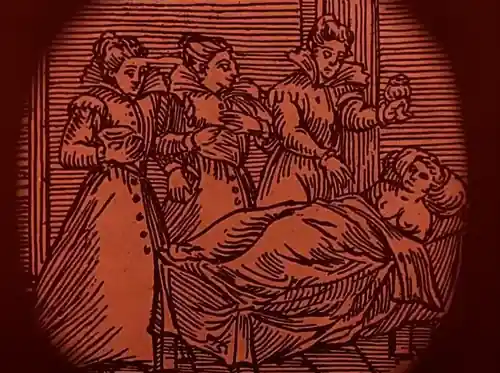
As "Häxan" progresses, it transitions seamlessly from academic discourse to a series of vivid, often shocking, dramatic vignettes. These re-enactments are where the film truly unleashes its potent blend of horror and social commentary. We witness the mundane anxieties of daily life slowly curdling into accusations of witchcraft. A woman's illness, a sudden crop failure, or a child's inexplicable behavior becomes irrefutable proof of a diabolical pact. Christensen doesn't shy away from depicting the brutal realities of the witch trials: the accusations, often fueled by personal vendettas or simple misunderstanding; the harrowing interrogations, where confessions were extorted through unimaginable torture; and the public spectacle of punishment. The performances here, particularly by Clara Pontoppidan as the accused old woman and Tora Teje as the afflicted young woman, are remarkably nuanced for the silent era, conveying terror, despair, and a chilling sense of injustice without uttering a single word.
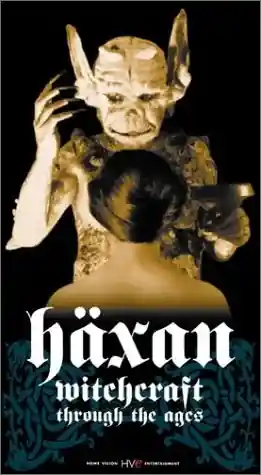
One of the film's most iconic and disturbing sequences is the Witches' Sabbath. Here, Christensen’s directorial flair for the macabre reaches its zenith. Demons with grotesque features, witches flying on broomsticks, and unholy rituals are brought to life with groundbreaking special effects that were incredibly ambitious for 1922. The imagery is surreal, nightmarish, and utterly unforgettable, a visual symphony of the grotesque that perfectly encapsulates the medieval imagination's darkest fears. These scenes are not just sensational; they are integral to Christensen's thesis, demonstrating the vividness and pervasive nature of these superstitious beliefs, which were as real to the people of the time as any tangible threat. The depiction of the Devil, portrayed with chilling relish by Christensen himself, is both seductive and terrifying, a figure of immense power and malevolence who preys on human weakness and despair.
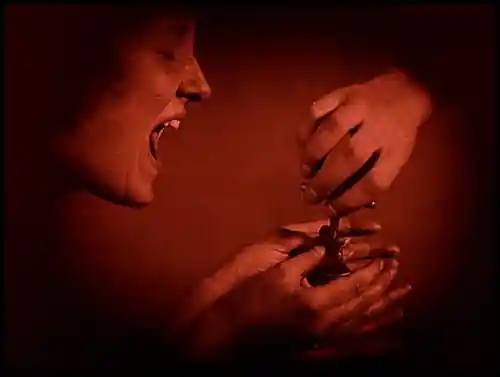
Crucially, "Häxan" is not content to merely document historical atrocities; it strives to understand them through a modern lens. The film's final act makes a radical, almost revolutionary, leap by connecting the historical phenomena of witchcraft with contemporary understanding of mental illness. Christensen draws parallels between the symptoms attributed to demonic possession – hallucinations, convulsions, erratic behavior – and the clinical manifestations of hysteria and other neurological disorders as understood by early 20th-century psychiatry. This segment features scenes set in a modern asylum, where women exhibiting similar symptoms are treated with compassion rather than condemnation. It's a powerful and empathetic argument, suggesting that countless victims of the witch hunts were, in fact, suffering from conditions that society was ill-equipped to comprehend, let alone treat humanely. This forward-thinking perspective elevates "Häxan" beyond a mere historical curiosity, cementing its status as a pioneering work of social commentary.
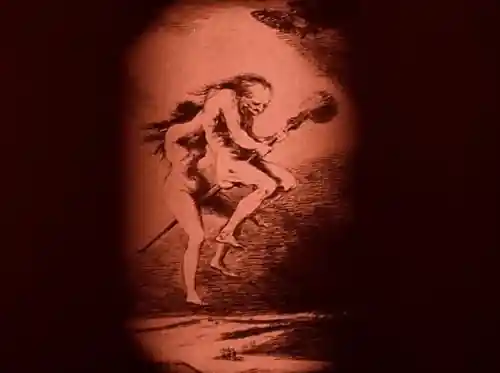
The film's visual language is consistently striking. Christensen employs a range of cinematic techniques to enhance its impact, from innovative camera angles and dynamic editing to the use of expressionistic lighting. The interplay of deep shadows and stark highlights creates an atmosphere of pervasive dread and unease, mirroring the psychological torment of its subjects. The detailed set designs and elaborate costumes further immerse the viewer in the historical periods depicted, whether it's the rustic interiors of a peasant's home or the imposing grandeur of a church court. Every frame feels meticulously composed, contributing to the film's overall aesthetic coherence and thematic depth. The performances, often exaggerated in the silent film tradition, are nevertheless incredibly effective in conveying intense emotions, from the quiet terror of the accused to the zealous fanaticism of their accusers.
The enduring relevance of "Häxan" lies not only in its historical scope but also in its profound insights into human nature. It serves as a stark reminder of the dangers of unchecked religious dogma, the ease with which fear can be manipulated, and the devastating consequences of societal scapegoating. While it delves into a specific historical period, its themes of paranoia, groupthink, and the demonization of the 'other' resonate with unnerving clarity even today. It prompts us to critically examine how societies identify and respond to perceived threats, and how often those responses are rooted in ignorance rather than understanding. The film's unique blend of education and entertainment means it appeals to a broad audience, from historians and film scholars to horror enthusiasts and anyone interested in the darker aspects of human history.
The film also stands as a monumental achievement in early filmmaking. Its audacious structure, blending documentary and drama, was far ahead of its time. While other films of the era, such as Treasure Island (1920), focused on adventure, or East Lynne (1916) on melodrama, "Häxan" dared to tackle complex socio-historical analysis with a cinematic vocabulary. Christensen's willingness to experiment with form and content paved the way for future generations of filmmakers who sought to use the medium for more than just simple storytelling. His pioneering use of special effects to depict the supernatural, for instance, arguably laid groundwork for the visual vocabulary of horror cinema, influencing everything from the gothic aesthetics of Universal monsters to later depictions of demonic entities. It's a film that demands active engagement, asking its audience to think critically about the historical narratives presented and to consider their contemporary implications.
The cast, a large ensemble featuring many Danish and Swedish actors of the period, contributes significantly to the film's immersive quality. Beyond the standout performances, individuals like Oscar Stribolt, Karen Caspersen, and H.C. Nielsen embody the various facets of medieval society – the pious, the fearful, the accusers, and the accused – with a conviction that belies the film's silent nature. Even William S. Burroughs, who famously narrated a later version, recognized the raw, visceral power of Christensen's original vision. The cumulative effect of these performances, combined with the director's meticulous attention to historical detail and his willingness to push cinematic boundaries, creates an experience that is both intellectually stimulating and deeply unsettling.
In its audacious blend of scholarly rigor and dramatic flair, "Häxan" remains an unparalleled achievement. It serves not just as a historical document of a dark period, but as a timeless warning against the perils of ignorance, superstition, and the human capacity for cruelty. Christensen’s vision is as relevant today as it was a century ago, a potent reminder that understanding our past, however uncomfortable it may be, is crucial for navigating our present and shaping a more enlightened future. It challenges viewers to confront uncomfortable truths about human nature and the societal forces that can lead to such profound injustices. A truly essential piece of cinematic history, it continues to captivate and provoke, cementing its place as an enduring masterpiece of the silent era and a foundational text in the study of horror and documentary filmmaking.
IMDb —
1933
Community
Log in to comment.