DbcultAccessing Vault...
6.1/10
Senior Film Conservator
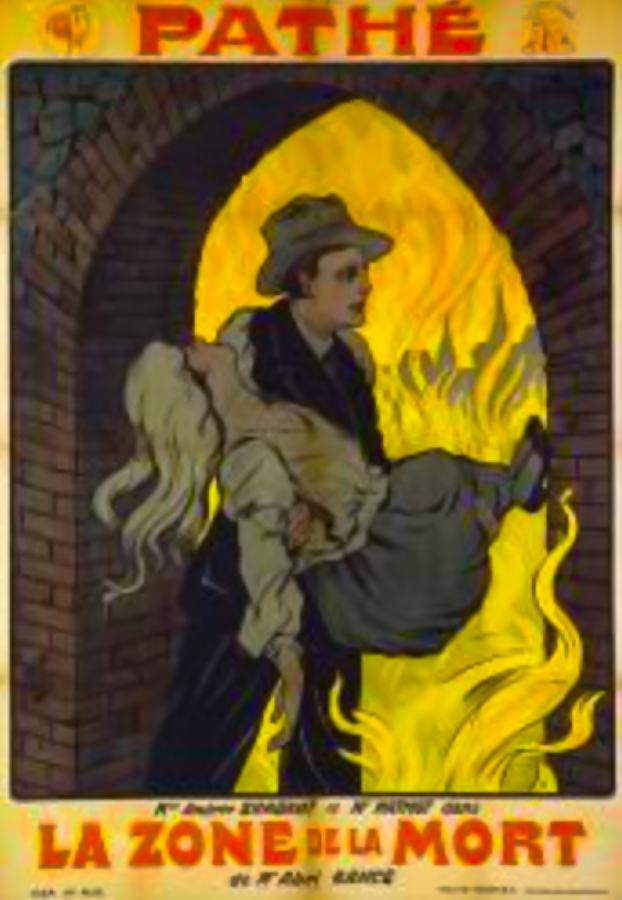
A definitive 6.1/10 rating for a film that redefined the boundaries of cult cinema. The Zone of Death remains a cornerstone of transgressive art.
Stepping back into the hallowed, often sepia-toned archives of early cinema, one occasionally unearths a gem whose resonance transcends its chronological confines. Abel Gance's 1917 masterpiece, The Zone of Death, is precisely such a discovery. Far from a mere historical artifact, this silent epic unfurls as a profound meditation on the human cost of conflict, a visceral, often agonizing portrayal that feels as relevant today as it must have felt to audiences still reeling from the ravages of the Great War. Gance, a visionary whose later works would push the boundaries of cinematic expression, here lays the groundwork for his signature blend of poetic realism and psychological depth, crafting a narrative that is both intensely personal and sweepingly universal.
At its core, The Zone of Death is a stark, unblinking examination of identity's fragility in the face of cataclysmic violence. The film's primary emotional anchor is the poignant romance between Julien Clément, a poet whose soul is as attuned to beauty as it is to the burgeoning horrors of the world, and Andrée Brabant, his steadfast beloved. Their initial scenes together are bathed in a tender, almost ethereal glow, a stark contrast to the encroaching gloom that soon envelops their lives. Gance masterfully employs visual metaphor to convey the encroaching shadow of war, from subtle shifts in lighting to the increasingly fragmented compositions as Julien is conscripted. The transition from idyllic pastoral settings to the grim, muddy expanse of the front is not merely a change of scenery; it is a descent into a psychological abyss, a journey from verdant life to stark, barren survival.
Julien's correspondence, initially brimming with the youthful idealism of a man fighting for a noble cause, slowly morphs into something far more chilling. These intertitles, often presented with stark, almost journalistic directness, become a barometer of his unraveling psyche. They speak not of heroism, but of mud, blood, and the incessant, soul-crushing monotony of existence in the trenches. This gradual erosion of spirit is one of the film's most powerful achievements, demonstrating Gance's prescient understanding of what would later be termed 'shell shock' or PTSD. He doesn't just show the physical wounds of war; he meticulously, agonizingly, portrays the unseen, indelible scars etched upon the soul.
The cast, though working within the expressive confines of silent cinema, delivers performances of remarkable depth and nuance. Andrée Brabant, as the resilient Andrée, is simply captivating. Her transformation from a hopeful, radiant fiancée to a woman hardened by grief yet unwavering in her compassion is portrayed with an understated power that resonates deeply. Her eyes, often pools of sorrow, convey volumes without a single spoken word. She embodies the home front's silent suffering, the endless vigil, and the profound strength required to endure unimaginable loss.
Julien Clément, as the ill-fated poet, captures the trajectory of innocence lost with heartbreaking conviction. His initial exuberance gives way to a haunted, vacant stare, a physical manifestation of the war's depredations. His portrayal of the amnesiac soldier in the latter half of the film is particularly astonishing. He becomes a vessel for collective trauma, his disfigured face and bewildered gaze speaking to the universal experience of shattered identity. It’s a performance that, even without the benefit of sound, communicates the profound psychological chasm that separates the pre-war self from the post-war survivor. Anthony Gildès, in his supporting role, provides a crucial counterpoint, embodying the cynical, almost nihilistic perspective of those who have seen too much. His weary demeanor and knowing glances serve as a grim prophecy of Julien's ultimate fate, adding layers of fatalism to the narrative.
Gance's directorial hand is evident in every frame, his visual storytelling both innovative and emotionally charged. The cinematography, while constrained by the technology of the era, is remarkably expressive. He employs striking contrasts between light and shadow, particularly in the trench sequences, to heighten the sense of claustrophobia and danger. Close-ups are used sparingly but effectively, drawing the audience into the characters' inner turmoil. There are moments of breathtaking beauty, even amidst the desolation, such as the dreamlike sequences depicting Andrée's memories of Julien, bathed in soft focus and ethereal light, serving as poignant reminders of what has been lost.
The titular 'zone of death' is not merely a geographical location; it's a state of being, a metaphorical landscape of annihilation. Gance visually renders this concept through jarring quick cuts, superimpositions, and disorienting camera angles, creating a sense of chaotic psychological fragmentation. This pioneering use of montage and visual effects prefigures his later, more grandiose experiments in films like Napoléon, showcasing his early mastery of cinematic language to convey complex emotional states. The film's visual grammar speaks volumes, transforming the battlefield into a character in itself – a ravenous entity that consumes not just bodies, but souls.
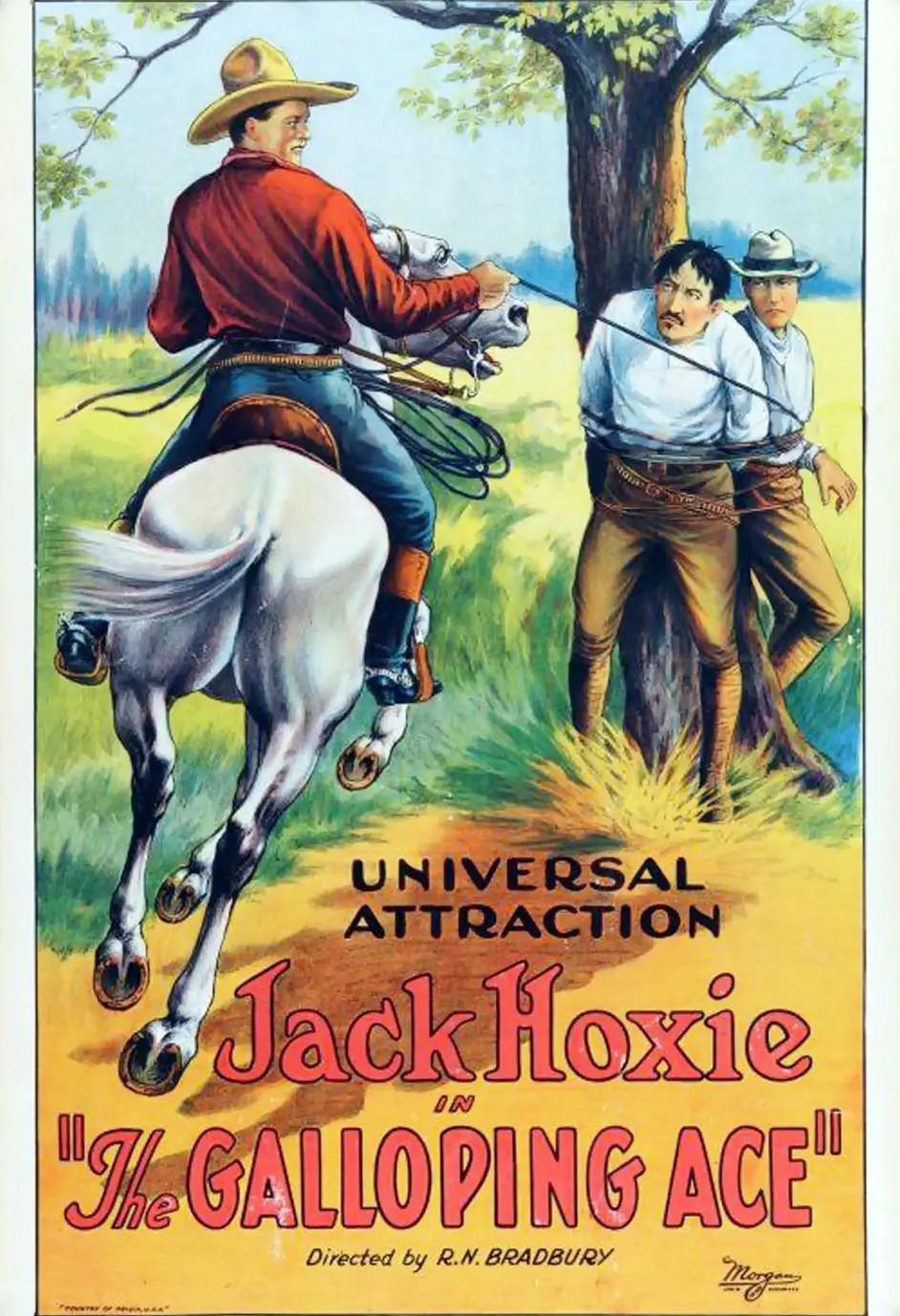
To fully appreciate The Zone of Death, it's useful to consider it within the broader tapestry of early 20th-century cinema. While it predates the more explicit anti-war sentiments of films like Gance's own J'accuse! (1919), its subtle yet potent critique of conflict is unmistakable. Unlike patriotic fare such as Bismarck or even the epic historical sweep of Alexander den Store, which often glorified military might or historical figures, Gance focuses on the individual's suffering. The film's emotional intensity and focus on psychological realism distinguish it from more conventional melodramas of the period, such as The Prima Donna's Husband or The American Beauty, which often prioritized romantic entanglement or social commentary over the stark realities of war.
The theme of profound sacrifice and enduring love, even in the face of insurmountable odds, finds a spiritual kinship with films like Greater Love Hath No Man, though Gance’s portrayal is far more bleak and less redemptive. The slow, agonizing dissolution of a character's identity echoes the tragic figures found in films like He Who Gets Slapped, where a protagonist's sense of self is stripped away, albeit for different reasons. Gance's film, however, ties this personal tragedy directly to the monumental, dehumanizing scale of modern warfare, making it a powerful, early cinematic statement on the subject.
One cannot overstate the emotional impact of The Zone of Death's conclusion. Andrée's desperate, heart-wrenching attempts to reawaken Julien's memory, to coax forth the ghost of the man he once was, are almost unbearable to witness. It's a testament to Brabant's extraordinary performance that these scenes achieve such profound pathos. The film avoids easy resolutions or saccharine sentimentality. Instead, it offers a stark, unvarnished truth: some wounds are too deep to heal, some losses too profound to fully overcome. The war, Gance implies, doesn't just kill; it transforms, distorts, and annihilates identity, leaving behind echoes of what once was.
The film's enduring power lies in its unflinching portrayal of this psychological devastation. It serves as a stark reminder that the 'zone of death' extends beyond the physical trenches, permeating the minds and hearts of those who survive. Gance, even in this relatively early work, demonstrates a profound understanding of the human condition under duress, crafting a narrative that is both a historical document and a timeless lament. It is a film that demands to be seen, not just for its historical significance or its pioneering cinematic techniques, but for its raw, emotional honesty. It’s a somber, yet essential, piece of cinematic history, offering a haunting glimpse into the irreparable damage wrought by conflict, a theme that resonates perhaps even more strongly in our own tumultuous times.
In an era where cinema was still finding its voice, Gance used it to scream against the barbarity of war, creating a work that leaves an indelible mark on the viewer. It's a film that stays with you long after the final frame, prompting reflection on memory, identity, and the enduring, often tragic, cost of humanity's conflicts. A truly masterful, albeit devastating, cinematic experience that solidifies Abel Gance's place as a groundbreaking auteur.
IMDb 5
1921
Community
Log in to comment.