DbcultAccessing Vault...
Cult Review
Senior Film Conservator
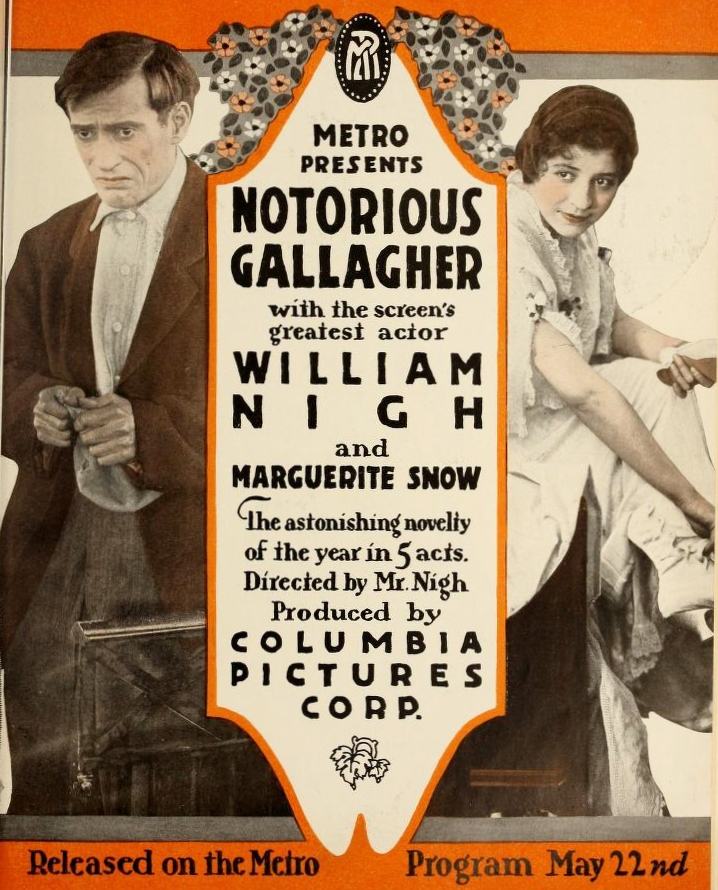
In the annals of early cinema, where flickering shadows often painted grand narratives with broad strokes, William Nigh’s "Notorious Gallagher; or, His Great Triumph" emerges not merely as a relic, but as a surprisingly prescient examination of identity, justice, and the capricious nature of public perception. This isn't just a film; it's a social commentary wrapped in a crime drama, a romantic entanglement, and ultimately, a powerful testament to the dormant potential within every overlooked soul. As a film critic, one often encounters narratives that attempt to dissect the human condition, but few manage to do so with the raw, unvarnished honesty that this particular picture, despite its age, seems to possess. It asks profound questions about what constitutes "triumph" and whether societal recognition truly equates to personal fulfillment, probing the very essence of human worth beyond mere superficial acclaim.
Our journey begins in the grimy labyrinth of the slums, a stark contrast to the opulent world soon to unfold. Here, we meet "Buttsy" Gallagher, a name that itself whispers of insignificance and anonymity. Buttsy is a spectral figure, a young man so utterly unremarkable that his very existence seems to fade into the urban backdrop. His spirit, as the narrative artfully suggests, is not merely dampened but "submerged," a poignant metaphor for the crushing weight of systemic neglect. He is a forgotten cog in the vast, indifferent machinery of society, his capacity for anger, for passion, for self-assertion, seemingly atrophied from disuse. This initial portrayal of Buttsy is crucial, setting the stage for a transformation that is both dramatic and deeply psychological. It calls to mind the silent struggles depicted in films like Less Than the Dust, which often explored the plight of the marginalized, though perhaps with a different trajectory of empowerment. Nigh, as an actor, would have masterfully conveyed this initial state through subtle gestures and downcast eyes, painting a picture of resigned desolation without uttering a single word.
The catalyst for Buttsy's unexpected metamorphosis arrives in the form of a glittering spectacle: the lively gaiety emanating from Judge Winters' stately home. Drawn by the sheer contrast to his own bleak reality, Buttsy, like a moth to a flame, finds himself perched precariously on a fire-escape, a silent observer of a world he could only dream of. From this vantage point, he becomes a voyeuristic audience to the intricate dance of the elite: the venerable Judge, his captivating daughter Peggy, her sophisticated cousin Flo, the enigmatic Count, and the earnest young lawyer Bob Ewing. This moment of passive observation is not just plot exposition; it's a symbolic bridge between two disparate worlds, a moment where the unseen man glimpses the vibrant tapestry of a life he has been denied. As he drifts into an unwitting slumber on that very fire-escape, fate, with its usual cruel irony, begins to weave a narrative far grander and more perilous than Buttsy could ever have imagined. The visual storytelling required here, contrasting Buttsy's ragged form with the lavish interiors, would have been a powerful testament to the social stratification of the era.
The nocturnal tranquility of the Winters' household is shattered by a brazen act of criminality. "Frank the Mex" and "Lefty Jake," two shadowy figures from the underworld, execute a meticulously planned burglary. The scene is tense, the stakes are high, and the air crackles with impending doom. As they secure their ill-gotten gains, their path takes them through Flo's room, where her sudden awakening and piercing scream shatter the silence. The ensuing chaos escalates tragically with the murder of a loyal servant, a grim punctuation mark on the night's events. The crooks, in their desperate escape, stumble upon the sleeping Buttsy on the fire-escape, a convenient scapegoat. They unceremoniously roll him into the room, leaving him to face the grim consequences of their actions. The discovery of Buttsy amidst the carnage is an exquisite piece of dramatic irony, transforming an innocent bystander into the prime suspect in a brutal murder. This sequence, undoubtedly filmed with stark contrasts of light and shadow, would have ratcheted up the tension, reminiscent of the atmospheric thrillers like The Circular Staircase, where mysteries unfold in the darkest corners of grand estates.
What follows is a fascinating, if disturbing, exploration of the societal appetite for sensationalism. Buttsy, the man who was "of the slightest importance," suddenly finds himself thrust into the searing glare of the public eye. Women, captivated by the macabre allure of his predicament, send him flowers. Esteemed figures engage in impassioned debates over his guilt or innocence. Even the denizens of his forgotten alley, those who had previously dismissed him, begin to see him through a new, admiring lens, convinced of a hidden depth they had never perceived. This newfound fame, however fleeting and ill-gotten, is a potent intoxicant for Buttsy. He revels in the attention, the sudden importance, the feeling of finally being seen. In a truly remarkable, and darkly comedic, twist, he "confesses" to the murder, not out of guilt, but out of a desperate desire to prolong the attention. This moment is a brilliant, albeit cynical, commentary on the human need for recognition, even if it stems from infamy. It mirrors the kind of public spectacle and moral ambiguity explored in films like Das Phantom der Oper, where a character's notoriety becomes intertwined with their identity, albeit in a different context of artistic genius and madness. The transformation from an invisible man to a notorious figure, even if for all the wrong reasons, is a powerful social commentary on the fleeting nature of celebrity and the public's thirst for drama.
Amidst this unfolding drama, the moral compasses of the other characters begin to spin wildly. Peggy Winters, who had been secretly meeting the Count in the drawing-room—a clandestine tryst born of a desire to usurp her cousin Flo's affections—witnesses the true perpetrators from her hidden vantage point in a window niche. Her silence, a decision born of fear for her "reputation," is a scathing indictment of societal hypocrisy. Her personal vanity trumps the truth, condemning an innocent man to a fate she knows he doesn't deserve. This internal conflict, the battle between personal interest and moral imperative, is a timeless theme, expertly woven into the fabric of the narrative. Peggy's dilemma, a woman trapped by societal expectations and her own ambition, would have been conveyed through the subtle, yet dramatic, expressions characteristic of silent film acting, showcasing the immense pressure on women of her social standing to maintain an unblemished facade.
Enter Bob Ewing, the struggling young lawyer, whose initial foray into the case is driven by a genuine belief in Buttsy's innocence. He represents the nascent spark of justice in a world increasingly clouded by self-interest. His tenacity eventually compels Peggy to divulge her crucial testimony, a small victory for truth, albeit one extracted with considerable effort. However, the path of Bob Ewing is not one of unblemished heroism. His success in Buttsy's trial elevates his standing, bringing him into the orbit of an "unprincipled firm." This new alliance leads him down a morally perilous road, as he becomes an instrument in a scheme to condemn and acquire Judge Winters' land for a reservoir, an act of betrayal that strikes at the heart of his initial moral convictions. This transformation from idealistic lawyer to compromised operative is a compelling character arc, illustrating the corrupting influence of ambition and power, a theme explored in many legal dramas of the era, though perhaps with less overt villainy than in Business Is Business, which often depicted the ruthless nature of corporate machinations. The film subtly critiques the ease with which integrity can be bought and sold in the pursuit of upward mobility.
Buttsy, in a bizarre twist of fate, is given a new trial and released, albeit under a five-year probationary sentence for perjury—his own confession now a double-edged sword. His manufactured fame dissipates as quickly as it arrived, leaving him once again adrift, a criminal in the eyes of the law, and once more, largely forgotten by the fickle public. Disillusioned, he retreats from the city, seeking solace away from a society that only valued him as a spectacle. This period of withdrawal is crucial for Buttsy's true transformation, allowing him to shed the skin of his false celebrity and rediscover an authentic sense of self. It's a poignant depiction of the hollow victory of infamy and the search for genuine purpose, a journey of self-discovery not unlike that of protagonists in The Explorer, though Buttsy's expedition is internal rather than geographical.
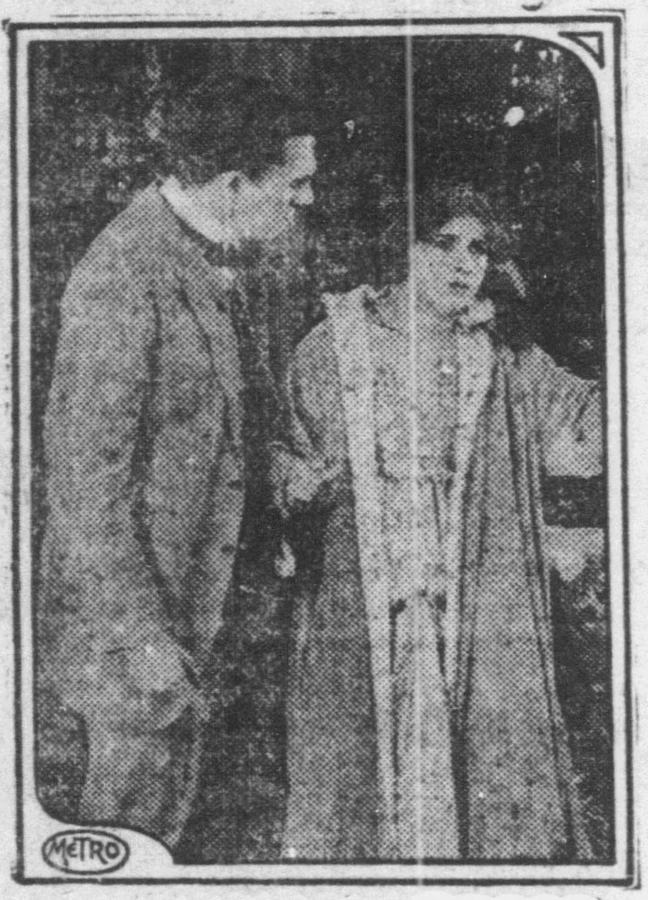
The narrative then converges in a dramatic climax. The same nefarious duo, "Frank the Mex" and "Lefty Jake," are re-employed by Bob's unscrupulous firm to further their land acquisition scheme. Their task: to silence Judge Winters, who bravely attempts to thwart their plans in the town council. The Judge is bound and gagged, his voice stifled. Peggy and the Count, who have followed, are about to suffer the same fate, creating a perilous situation that truly tests their mettle. It is at this critical juncture that Buttsy, having found his way to the Judge's old home town, intervenes. His return is not for fame, but for a deeper, more profound purpose – a desire, perhaps, to right the wrongs that had initially entangled him, or simply to act on a burgeoning sense of justice that his earlier experiences had awakened. His appearance here is a testament to the idea that true heroism often arises from unexpected quarters.
The confrontation is a masterclass in character development. Judge Winters, still reeling from the assault, wrongly accuses Buttsy of being complicit in the conspiracy. This unjust accusation acts as the ultimate spark, igniting Buttsy's "long-buried spark of anger." It is a magnificent moment of catharsis, a visceral eruption of suppressed emotion that transforms the formerly meek individual into a force to be reckoned with. He puts up "the fight of his life," not for recognition, but for justice, for dignity, and for the simple truth. This raw, unadulterated fury is the true "triumph" hinted at in the film's title, a triumph of spirit over circumstance. It’s a powerful moment of self-actualization, reminiscent of protagonists in action-oriented dramas like Through the Enemy's Lines or The Battle of Trafalgar, where individuals rise to extraordinary challenges, albeit on a different scale. Nigh’s portrayal of this transformation, from meekness to righteous fury, would have been central to the film's emotional impact, a silent roar that transcends the lack of dialogue.
In a thrilling turn of events, Buttsy and the Count, united by circumstance and a shared peril, turn on the crooks. "The Mex," the actual slayer of the servant, is mortally wounded and, in his dying breath, confesses to the original murder, finally exonerating Buttsy completely. This confession serves as a crucial narrative device, tying together the seemingly disparate threads of the plot and bringing a satisfying closure to the initial crime. It’s a moment of poetic justice, where the truth, long suppressed, finally bursts forth, dismantling the edifice of lies and misdirection that had defined Buttsy’s life. The Count's unexpected bravery also offers a refreshing subversion of his earlier, somewhat superficial characterization, revealing a latent courage that Peggy, and the audience, had not fully appreciated.
Meanwhile, Flo Winters, ever the voice of moral clarity, delivers a scathing rebuke to Bob Ewing. Her "piece of her mind," a direct and unflinching condemnation of his cowardly betrayal of her uncle's interests, serves as a powerful catalyst for his own redemption. Her words pierce through his self-serving ambition, reawakening the "sleeping manhood within him." This confrontation is pivotal, demonstrating the profound impact one individual's moral conviction can have on another. Bob, shamed and revitalized, rushes to the council meeting, not to argue against the Judge, but passionately for him, winning the case and reclaiming his integrity. Flo, forgiving him for his lapse, finds her own happiness with him, culminating in their marriage—a union forged in honesty and mutual respect. Her strength and unwavering moral compass are a striking contrast to Peggy's initial capitulation, highlighting different facets of female agency in the early 20th century.
Peggy, too, undergoes a significant transformation. Witnessing the Count's unexpected valor in fighting the crooks, her superficial admiration deepens into genuine respect and affection. Their marriage, initially a forced arrangement, blossoms into a "real one," founded on shared experience and a newfound appreciation for each other's true character. This arc beautifully illustrates that love, like triumph, can emerge from the most unlikely of circumstances and grow stronger through adversity. It’s a testament to the power of shared adversity in forging genuine bonds, moving beyond the shallow flirtations that initially defined their relationship. Her journey from vanity to genuine admiration offers a nuanced portrayal of personal growth.
And what of Buttsy? His journey, from an anonymous slum dweller to a falsely notorious criminal, and finally to a genuine hero, culminates in a profoundly personal triumph. The fleeting glare of public fame has been replaced by the quiet dignity of earned respect. He encounters "The Pest," a girl from his old tenement, now transformed into a "lovely young woman" and, significantly, a trained nurse. This encounter is rich with symbolism: the girl once known by a disparaging nickname now represents care, healing, and a future built on purpose. Buttsy, no longer seeking superficial attention, asks her to be his "own private nurse as long as he lives," a poignant and deeply human expression of his desire for genuine connection and enduring companionship. It’s a resolution that speaks volumes about finding one's true place and purpose, a stark contrast to the earlier, manufactured fame, and perhaps a more grounded, realistic ending than some of the grander romantic gestures found in films like My Best Girl. His final triumph is not a public accolade, but a private, profound peace achieved through authentic connection and self-acceptance, a quiet victory far more resonant than any fleeting notoriety.
William Nigh, both as writer and director, crafts a narrative that is surprisingly intricate for its era, demonstrating a keen understanding of character psychology and societal dynamics. The performances, particularly that of Nigh himself in the titular role, must have been crucial in conveying Buttsy's complex evolution. One can imagine the nuanced expressions, the subtle body language required to portray a man whose spirit is first submerged, then inflated by false fame, and finally ignited by genuine outrage. The supporting cast, including Marguerite Snow, Robert Elliott, and Cita Cameron, would have been instrumental in fleshing out the rich tapestry of interconnected lives, each grappling with their own moral quandaries and personal transformations. The silent film medium, far from being a limitation, would have amplified these emotional journeys, forcing actors to communicate profound feelings through gesture, gaze, and posture, allowing the audience to project their own understanding onto the unspoken narratives. The deliberate pacing and evocative cinematography typical of the period would have further immersed viewers in this tale of social upheaval and personal redemption.
"Notorious Gallagher; or, His Great Triumph" is more than just a silent film; it is a profound exploration of what it means to be seen, to be valued, and to find one's true voice. It critiques the sensationalism of media, the hypocrisy of the elite, and the corrupting influence of ambition, while simultaneously celebrating the power of redemption, moral courage, and authentic human connection. Its themes remain remarkably relevant, reminding us that true triumph is rarely found in the fleeting glare of public notoriety, but rather in the quiet strength of character, the unwavering pursuit of justice, and the profound joy of genuine human bonds. This film, though a product of a bygone era, speaks to the enduring complexities of the human spirit, making it a compelling watch for anyone interested in the social narratives woven into the fabric of early cinematic art. Its ability to balance intricate plot, character development, and social critique positions it as a significant, albeit often overlooked, work in the history of film, deserving of renewed appreciation for its timeless insights into the human condition.
Community
Log in to comment.