DbcultAccessing Vault...
Cult Review
Senior Film Conservator
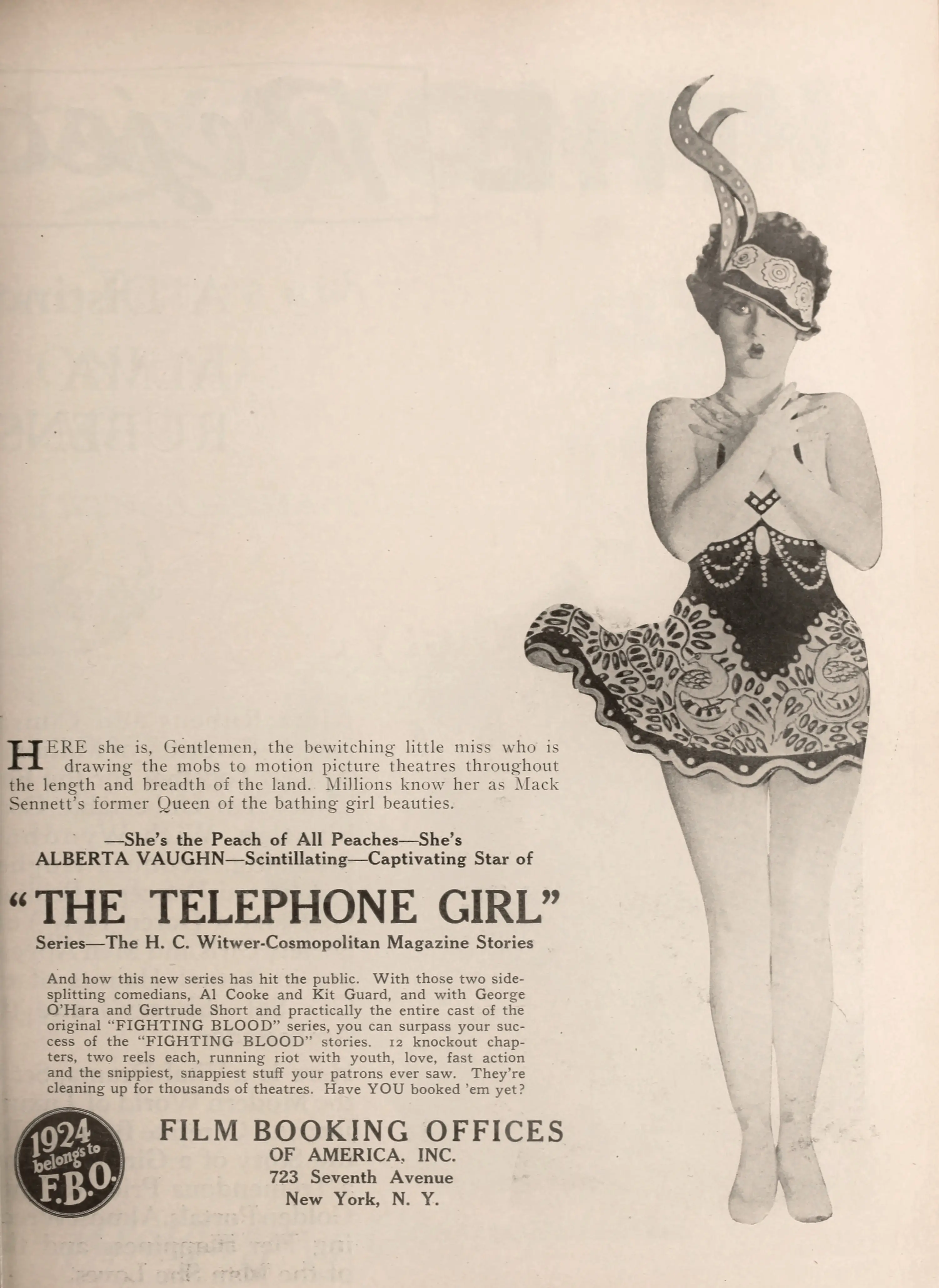
William Tells
is a silent film from 1920, a period marked by experimentation and innovation in the cinematic arts. The film follows the intriguing narrative of two American actresses, Gladys and Sadie, who travel to Paris, France, under the promise of a lucrative acting contract. However, their dreams are abruptly shattered when the film studio they were to join goes bankrupt. Desperate and disillusioned, they are left grappling with the reality of their new life in Europe.Their fortunes take an unexpected turn when they encounter a seemingly affluent young man, much to their initial delight. This man, with his seemingly noble intentions, offers to invest in their acting careers. However, as the story unfolds, it becomes clear that he is not what he appears to be. The narrative is layered with suspense and intrigue, leaving the audience hanging on the edge of their seats to discover the true nature of his involvement.
Al Cooke, Gertrude Short, Kit Guard, and Alberta Vaughn bring depth and complexity to their roles, their performances resonating with the subtle nuances of their characters. The film's silent nature relies heavily on the actors' ability to convey emotion through facial expressions and body language, a technique that, while challenging, is executed with remarkable skill, making their interactions all the more compelling. The chemistry between the lead actresses is particularly noteworthy, adding a layer of emotional intensity to the film's narrative.
The film's setting, Paris in 1920, is masterfully captured, providing a rich backdrop that enhances the story's atmosphere. The city serves as a character itself, with its vibrant streets and grandiose architecture playing a crucial role in the film's visual narrative. The cinematography is a testament to the era’s artistic sensibilities, with its use of lighting and framing techniques effectively conveying the mood and tone of the scenes.
William Tells is not just a simple tale of thwarted ambitions; it delves into themes of trust, identity, and the complexities of human relationships. The film's pacing is well-structured, balancing moments of intense drama with quieter, reflective scenes that allow the audience to connect with the characters on a deeper level. The use of music and sound effects, albeit minimal, is strategically employed, enhancing the emotional impact of pivotal moments in the film.
While William Tells is a silent film, it does not shy away from the visual storytelling techniques that were pioneered in the early days of cinema. The editing and the use of montage sequences are particularly noteworthy, showcasing a sophisticated understanding of narrative construction. These elements contribute to the film's overall coherence and engagement, making it a significant piece of early cinema.
Comparatively, this film can be appreciated in the context of other films of its era. For instance, 'Kennedy Square' and 'The Drivin' Fool' offer a glimpse into the gritty realism and the exploration of social issues prevalent in the early 1920s. Similarly, 'Her Hour' and 'Such a Little Pirate' showcase the genre's versatility, ranging from dramas to light-hearted comedies. These films, along with 'Snowblind', 'Kyoiku otogi manga: Usagi to kame', and 'The Dissatisfied Cobbler', provide a rich tapestry of early film-making and offer valuable insights into the evolution of cinema during this period.
William Tells is a remarkable example of early cinema, characterized by its intricate plot, compelling performances, and masterful use of visual storytelling. It stands as a testament to the ingenuity and creativity of the filmmakers, offering a compelling narrative that resonates even today.
IMDb —
1933
Community
Log in to comment.