DbcultAccessing Vault...
6.9/10
Senior Film Conservator
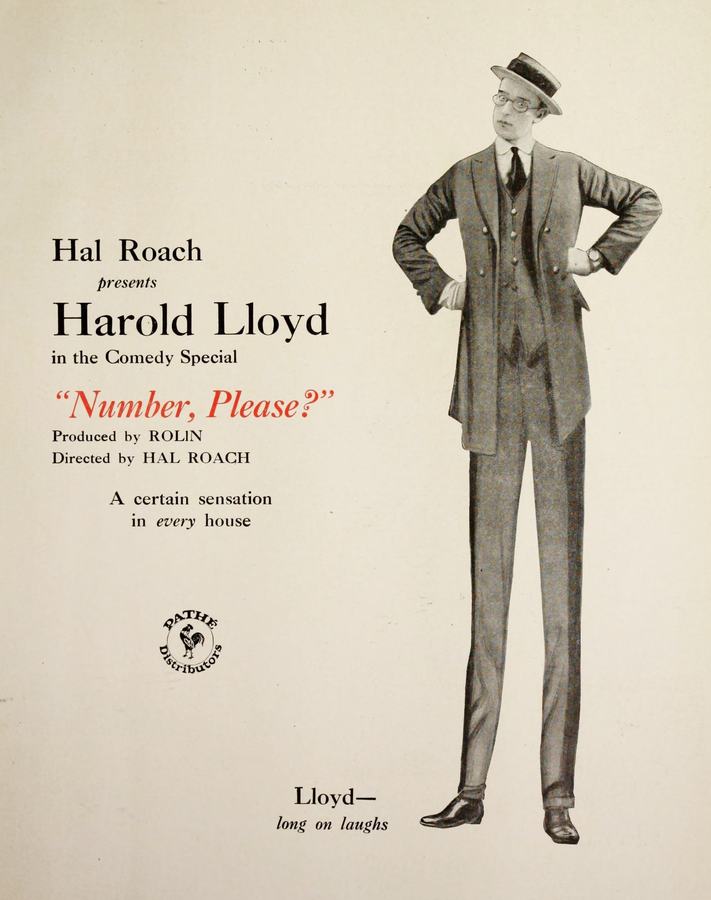
A definitive 6.9/10 rating for a film that redefined the boundaries of cult cinema. Number, Please? remains a cornerstone of transgressive art.
Stepping into the kinetic world of 1920s silent cinema, one quickly encounters the indelible charm and breathtaking audacity of Harold Lloyd. His filmography, a veritable treasure trove of comedic brilliance, often placed his 'Glasses Character' in situations of escalating peril and romantic pursuit, all executed with an inimitable blend of earnestness and physical prowess. Among these gems, the 1920 short film 'Number, Please?' stands as a particularly effervescent example, a vibrant snapshot of a bygone era's entertainment, brimming with the very essence of slapstick ingenuity and heartfelt aspiration. It's a film that, even a century later, retains its capacity to elicit genuine laughter and admiration for its sheer inventiveness and the boundless energy of its star.
The narrative of 'Number, Please?' unfolds within the kaleidoscopic chaos of an amusement park, a setting perfectly suited for the kind of frenetic, high-stakes comedy that Harold Lloyd mastered. Here, our protagonist, played with his signature blend of earnest optimism by Harold Lloyd himself, finds himself entangled in a classic romantic predicament. He's smitten with a young lady, portrayed by the delightful Mildred Davis, but faces stiff competition from another suitor, an imposing figure who embodies the more conventional, less imaginative approach to courtship. This immediate setup provides a fertile ground for the ensuing comedic skirmishes, transforming the park's attractions into both obstacles and opportunities for our hero to prove his worth.

The film, co-directed by Fred C. Newmeyer and Hal Roach, who were instrumental in shaping Lloyd's early career, wastes no time in establishing the central conflict. The initial spark of romantic interest quickly ignites into a full-blown rivalry, not just for the lady's hand, but for her attention and admiration. The park itself becomes a character, its myriad rides, games, and bustling crowds serving as a dynamic backdrop against which the drama of affection and competition plays out. It's a masterclass in utilizing environmental storytelling, where every Ferris wheel, every carousel, and every throng of people contributes to the comedic momentum. The screenplay, crafted by H.M. Walker, demonstrates a keen understanding of pacing and gag construction, ensuring that the comedic beats land with precision and impact.
The plot thickens with the introduction of a runaway dog, the young lady's beloved pet, which escapes into the bewildering expanse of the park. This incident serves as the primary catalyst for the film's most elaborate and exhilarating chase sequences. Both suitors, naturally, leap into action, each seeing an opportunity to play the hero. Harold Lloyd’s character, however, approaches the task with a unique blend of determined clumsiness and unexpected agility. His attempts to retrieve the elusive canine lead him through a labyrinth of attractions, from the dizzying heights of a roller coaster to the chaotic depths of a funhouse, each segment offering a new set of physical challenges and comedic mishaps. The sheer ingenuity of these sequences, choreographed with an almost balletic precision, is a testament to Lloyd's genius for physical comedy. It's not just about falling down; it's about the ingenious ways he navigates and exploits his environment.

The competition intensifies as the pursuit of the dog becomes a metaphor for the pursuit of affection. Every near-miss, every humorous entanglement, serves to highlight the protagonist's perseverance and, crucially, his endearing vulnerability. Unlike the brute force of his rival, Lloyd's character wins through sheer pluck and an almost innocent determination. The supporting cast, including Gaylord Lloyd (Harold’s younger brother), Lyle Tayo, Mark Jones, Charles Stevenson, Wally Howe, Sammy Brooks, Abraham Schwartz, Ernest Morrison, William Gillespie, Noah Young, and Roy Brooks, contribute to the vibrant tapestry of the park, filling the background with believable, often humorous, reactions to the unfolding chaos. Their presence adds a layer of authenticity to the bustling environment, making the park feel genuinely alive.
The film culminates in a truly breathtaking and remarkably innovative sequence involving a hot air balloon. The young lady expresses a desire to experience a balloon ride, but only with her mother's permission. This sets off the final, desperate dash: a race between the two suitors to find the mother (played by Lyle Tayo) and secure her consent. The urgency of this quest propels the narrative into its highest gear, with Lloyd's character employing every trick in the book, from daring shortcuts to accidental detours, all in a frantic effort to reach the mother first. The visual spectacle of the balloon itself, slowly ascending against the sky, provides a wonderful sense of stakes and romantic aspiration.

The final chase to the balloon is a masterclass in comedic timing and physical endurance. Lloyd navigates increasingly absurd obstacles, demonstrating the kind of 'everyman' heroism that made him so relatable and beloved. His character isn't a preternatural acrobat; he's an ordinary man pushed to extraordinary lengths by circumstances and, more importantly, by love. This relatability is a cornerstone of his appeal, distinguishing him from the more anarchic humor of Chaplin or the stoic resilience of Keaton. He embodies the hopeful striver, the individual who, despite his bespectacled appearance, possesses an indomitable spirit. The resolution, while predictable in its romantic outcome, is thoroughly satisfying, a testament to the film's consistent tone and the earnest efforts of its protagonist.
Harold Lloyd's persona in 'Number, Please?', as in so many of his films, is that of the quintessential 'go-getter.' He's not the suave leading man, nor is he the tragic clown. Instead, he represents the ambitious, slightly anxious young man striving for success, recognition, and, ultimately, love in a rapidly modernizing world. His signature glasses, far from being a disguise, served to amplify his relatability, making him seem like someone you might encounter on the street, albeit one with an uncanny ability to scale buildings or dangle precariously from clock towers. This film beautifully showcases the nascent stages of that iconic character, demonstrating his capacity for both meticulous planning and spontaneous, often hilarious, improvisation when things inevitably go awry.

The comedic structure relies heavily on the 'gag build-up,' where a simple premise escalates into a series of increasingly elaborate and dangerous situations. The amusement park provides a perfect environment for this, with its inherent dangers and opportunities for physical comedy. Lloyd's character is constantly reacting to his environment, using whatever is at hand to further his goal or escape a predicament. This proactive approach, coupled with his genuine desire to win the girl, makes him an exceptionally engaging protagonist. One might draw a subtle parallel between the frantic energy of Lloyd's pursuit here and the innovative, boundary-pushing animation of Out of the Inkwell, both pushing the limits of their respective mediums to create dynamic, captivating visuals and narratives.
Mildred Davis, who would later marry Harold Lloyd, brings a luminous quality to her role as the object of our hero's affections. She is not merely a passive damsel in distress; her character possesses an independent spirit and a delightful charm that makes her worth fighting for. Her reactions to Lloyd's antics are often a source of quiet amusement and genuine warmth, providing a necessary emotional anchor to the film's more chaotic moments. The chemistry between Lloyd and Davis is palpable, contributing significantly to the film's romantic appeal. Their interactions, though largely non-verbal, convey a genuine connection that elevates the film beyond mere slapstick. It's a testament to the power of silent acting that such nuanced emotions could be communicated so effectively.
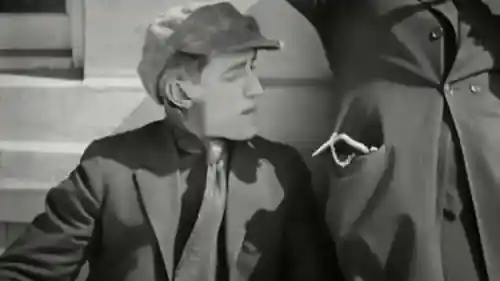
Davis's performance, while perhaps less overtly physical than Lloyd's, is crucial in grounding the film's comedic premise in a believable romantic context. Her presence provides a clear motivation for Lloyd's increasingly daring feats, transforming potentially reckless stunts into acts of devoted gallantry. Without her captivating presence, the stakes of the romantic competition would feel significantly diminished. Her character, though not as central to the physical gags, is the emotional heart of the story, making the hero's triumph feel genuinely earned and deeply satisfying.
Watching 'Number, Please?' today offers a valuable window into the artistry of silent cinema. It reminds us that storytelling, humor, and emotion do not require dialogue to resonate deeply. The film relies on visual gags, exaggerated expressions, and the universal language of physical comedy to communicate its narrative. The meticulous planning involved in these stunts, particularly those involving heights and rapid movement, is truly remarkable, especially considering the technical limitations of the era. The directors, Fred C. Newmeyer and Hal Roach, deserve immense credit for orchestrating such complex sequences with such clarity and comedic impact.
The film's pacing is relentless, a characteristic of many successful silent comedies, ensuring that the audience is constantly engaged. There's little time for exposition; the story unfolds through action, reactions, and carefully constructed sight gags. This directness is part of its charm. While other films of the era might delve into more dramatic territory, like the moral dilemmas in Should a Woman Tell? or the social critiques found in films like A World Without Men, 'Number, Please?' embraces pure, unadulterated comedic escapism. It serves as a potent reminder of the era's capacity for joyous, unpretentious entertainment, where the stakes are personal, and the triumph is often found in the most absurd of circumstances.
The impact of 'Number, Please?', though a short film, is significant in understanding the evolution of Harold Lloyd's career. It showcases his growing confidence in integrating thrilling stunts with character-driven comedy, a formula he would perfect in his feature-length masterpieces like Safety Last! The film is a foundational text for anyone studying the mechanics of silent comedy, offering a clear illustration of how visual humor, escalating stakes, and relatable characters combine to create timeless entertainment. It's a testament to the collaborative spirit of early Hollywood, with the combined talents of Lloyd, Davis, Newmeyer, Roach, and writer H.M. Walker creating a cohesive and delightful experience.
In a cinematic landscape often dominated by grand narratives and complex themes, there's a profound joy in revisiting a film like 'Number, Please?'. It's a film that doesn't just entertain; it invigorates, reminding us of the sheer boundless creativity that defined the silent era. It's a vibrant, exhilarating ride through an amusement park of emotions and physical comedy, leaving the viewer with a smile and a renewed appreciation for the enduring artistry of Harold Lloyd and his collaborators. This is not just a historical artifact; it's a living, breathing piece of cinematic joy that continues to captivate and charm audiences, proving that the language of laughter truly transcends time.
It’s easy to see how the meticulous staging and high-energy performances here could inspire later filmmakers. The precise choreography of the crowd scenes and the seamless integration of special effects for the more daring gags are particularly noteworthy. One can imagine how this kind of dynamic action might have influenced the pacing and visual storytelling in films that followed, even those with more dramatic leanings like The Fighting Brothers, albeit in a completely different genre. The sheer dedication to crafting a compelling visual narrative, regardless of genre, is a through-line in quality cinema from any era. 'Number, Please?' remains a shining example of how to make a short film feel like a grand adventure, packed with more invention and heart than many feature-length productions.
IMDb 4.1
1930
Community
Log in to comment.