DbcultAccessing Vault...
Cult Review
Senior Film Conservator
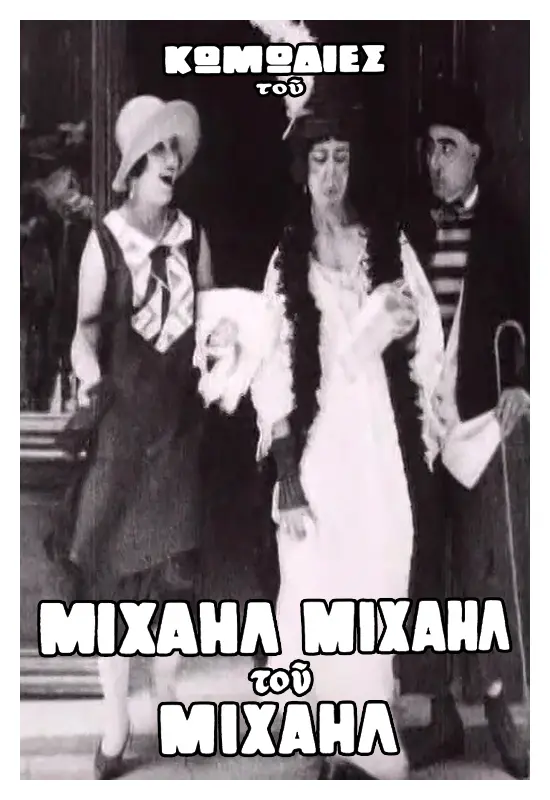
The dawn of Hellenic cinematography remains an enigmatic period, often overshadowed by the later 'Golden Age' of the 1950s. Yet, in the silent flickering of O eros tis Kontsetas sozei ton Mihail (Concetta’s Love Saves Mihail), we find a foundational stone of physical comedy that rivals the transatlantic exports of the era. Mihail M. Mihail, often dubbed the 'Greek Chaplin,' occupies a space of vulnerability and frantic energy that feels startlingly modern despite the century-old celluloid. This film isn't merely a romantic pursuit; it is an architectural mapping of desire onto the burgeoning landscape of Faliro, a seaside town that becomes a character in its own right.
Mihail M. Mihail’s performance is a masterclass in kinetic storytelling. Unlike the more polished, almost aristocratic maneuvers seen in The Pinch Hitter, Mihail embraces a rugged, unrefined clumsiness that resonates with the Everyman. His obsession with Concetta Moshou’s character is portrayed through a series of vignettes that balance on the precipice of absurdity and genuine pathos. The way his body contorts during the chase sequences to Faliro suggests a man possessed by a singular, albeit chaotic, purpose.
Concetta Moshou, for her part, transcends the typical 'damsel' trope. While her role is defined by Mihail’s pursuit, her presence on screen exudes a quiet autonomy. The chemistry between the two is palpable, even through the grain of ancient film stock. It is a dynamic that echoes the playful yet high-stakes tension found in Nineteen and Phyllis, where romantic complications serve as the engine for social exploration. Here, the social stakes are high; the mugging of Concetta's mother provides the necessary narrative pivot from comedy to melodrama, a transition handled with surprising grace by the ensemble cast.
The choice of Faliro as the setting is far from incidental. In the 1920s, Faliro represented an escape from the dusty congestion of Athens—a place of leisure, light, and potential. The cinematography captures this transition beautifully. The movement from the city to the sea mirrors the internal shift in Mihail’s psyche. We see a similar aquatic obsession in His Briny Romance, but where that film uses the sea for slapstick gags, O eros tis Kontsetas sozei ton Mihail utilizes the shoreline as a stage for transformation.
The mugging scene is the film's structural zenith. It introduces a visceral threat that contrasts sharply with the earlier lighthearted stalking of the coquette. The villainy depicted here is less stylized than the theatrical shadows of The Sons of Satan; it feels immediate and grubby. When Mihail intervenes, he isn't a superhero; he is a man driven by a desperate need to belong to Concetta’s world. His victory is messy, physically taxing, and ultimately, deeply human.
Considering the technical limitations of Greek cinema in this period, the framing is remarkably ambitious. The use of natural light in the seaside sequences creates a high-contrast aesthetic that emphasizes the starkness of the moral choices at play. While it lacks the gothic intensity of The Devil-Stone, it possesses a raw, documentary-like quality that captures a lost era of Mediterranean life. The editing, though rudimentary, maintains a rhythmic pulse that keeps the viewer engaged in Mihail’s frantic odyssey.
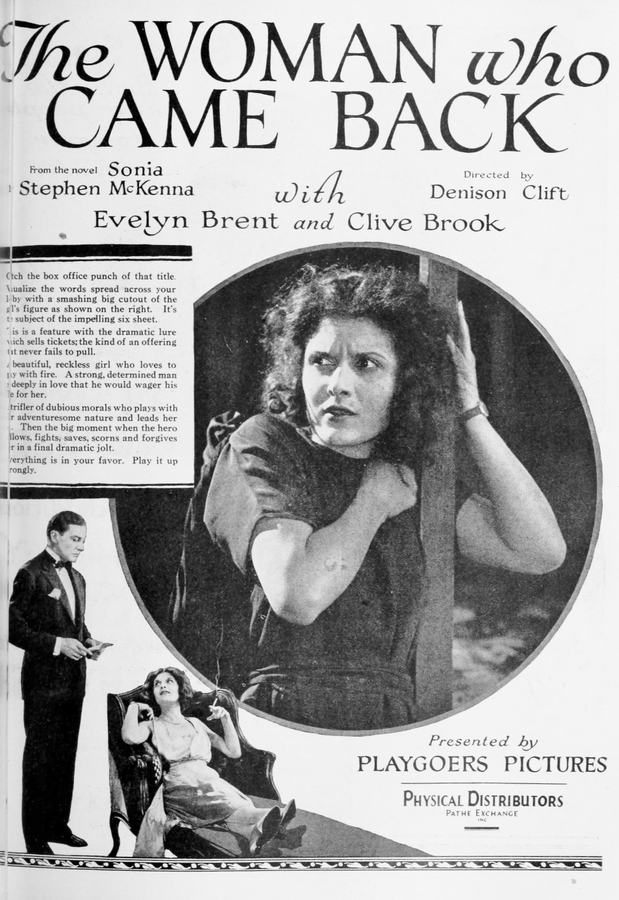
The supporting cast, including Popi Megoula and Emmanouil Tzanetis, provides a robust framework for the central duo. Their reactions to Mihail’s antics help ground the film in a recognizable social reality. This isn't just a fantasy; it’s a community witnessing the birth of a legend. The film’s pacing shares DNA with the comedic timing of What Happened to Jones, yet it retains a distinctly Balkan flavor—a mixture of melancholy and exuberant joy.
What makes O eros tis Kontsetas sozei ton Mihail endure is its heart. It doesn't rely on the cynical trickery found in The Catspaw or the heavy-handed moralizing of The Holy City. Instead, it offers a sincere look at how love—specifically, the love of a woman who sees through a man’s flaws—can act as a shield against the world's cruelty. Mihail’s salvation isn't just social acceptance; it is the internal peace that comes from finding one's place in the sun.
The film also serves as a poignant reminder of the fragility of cinematic history. Many films from this era, like The Humming Bird or Az utolsó éjszaka, dealt with themes of redemption and social strata, but few did so with the unbridled optimism of Mihail M. Mihail. His character is a precursor to the great comic archetypes that would define the medium for decades to come.
In the final act, when the mother gives her consent, the resolution feels earned. It isn't a hollow victory. The struggle through the streets, the confrontation with the mugger, and the social embarrassment Mihail endures all culminate in a moment of quiet triumph. The film’s title is literal: her love saves him from the periphery of society, bringing him into the warmth of the family fold. This narrative arc, while simple, is executed with a sincerity that modern cinema often lacks.
Comparing this work to the broader silent landscape, one might look at The Phantom Fortune for its exploration of luck, but Mihail’s story is about agency. He doesn't stumble into wealth; he fights for his happiness. Even in the face of the macabre, such as the atmosphere found in Le revenant au baiser mortel, Mihail’s world remains illuminated by the sun of Faliro and the promise of Concetta’s smile. It is a testament to the power of early cinema to capture the essence of the human spirit with nothing more than light, shadow, and a bit of greasepaint.
Ultimately, O eros tis Kontsetas sozei ton Mihail is more than a historical curiosity. It is a vibrant, breathing piece of art that challenges our perceptions of early Greek culture. It shows a nation in flux, a people finding their voice through the lens of a camera, and a comedian who understood that the shortest distance between two people is a laugh. Whether you are a scholar of silent film or a casual viewer looking for the roots of modern comedy, this film offers a rich, rewarding experience that lingers long after the final frame fades to black. Its echoes can be heard in everything from the domestic squabbles of Squabs and Squabbles to the traveling circus energy of Sawdust. It is, quite simply, a masterpiece of the 'little man' against the world, and we are all the better for its survival.
Reviewer's Note: For those interested in the evolution of the romantic lead, compare Mihail's journey to the themes in Who Loved Him Best? to see how the 'savior' narrative has shifted over the last century.
IMDb 4.6
1925
Community
Log in to comment.