DbcultAccessing Vault...
4.9/10
Senior Film Conservator
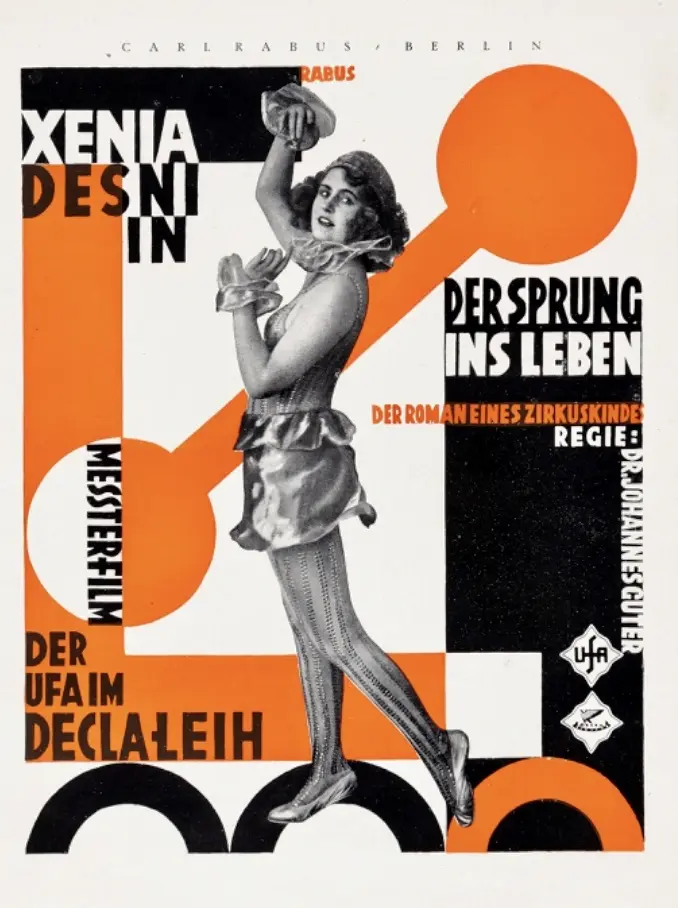
A definitive 4.9/10 rating for a film that redefined the boundaries of cult cinema. Der Sprung ins Leben remains a cornerstone of transgressive art.
In the annals of cinematic history, particularly within the fertile crescent of Weimar German cinema, certain films emerge not just as entertainment, but as profound cultural artifacts. Richard Eichberg’s Der Sprung ins Leben, released in 1924, is precisely such a work. It’s more than a mere romantic drama; it’s a trenchant social commentary, a psychological exploration, and a testament to the era’s artistic daring. The film, whose title translates evocatively to 'The Leap into Life,' invites its audience to ponder the very essence of identity, the intoxicating allure of transformation, and the unyielding gravitational pull of one's true self. It's a journey into a world where the rigid strictures of class meet the untamed spirit of the circus, all played out against a backdrop of societal flux and individual yearning.
The premise, at first glance, might seem deceptively simple: a young intellectual, presumably from a world of books and refined discourse, becomes utterly captivated by a spirited circus performer. This isn't merely infatuation; it's an intellectual's grand project, an almost Pygmalion-esque ambition to sculpt this 'raw' talent into a 'lady' suitable for his world, and ultimately, his wife. This narrative thrust immediately establishes a fascinating dichotomy. On one side, we have the cerebral, the cultivated, the world of ordered thought and societal expectation. On the other, the visceral, the spontaneous, the world of physical prowess, risk, and unvarnished emotion. The film masterfully exploits this tension, using it as a crucible for its characters' development and, ultimately, their self-discovery.
The intellectual, portrayed with a certain earnest yet ultimately misguided zeal by Walter Rilla, embodies the hubris of his class. His love, while perhaps genuine in its nascent form, is inextricably intertwined with a desire to 'improve' or 'civilize' his beloved. He sees not a woman to be cherished for who she is, but a project to be completed, a rough diamond to be polished according to his exacting standards. This paternalistic affection is a subtle critique of the era’s social hierarchies, where the working class, particularly those in less conventional professions like the circus, were often viewed as needing enlightenment from their 'betters.' His efforts to introduce her to the nuances of drawing-room etiquette, classical music, and intellectual conversation are depicted with a mix of genuine effort and an underlying, almost tragic, obliviousness to her inherent nature.
The circus performer, brought to life with captivating energy (likely by Xenia Desni, given the typical casting of the era for such roles, though the ensemble is strong and includes Frida Richard, Käthe Haack, and a very early appearance by Marlene Dietrich), is the true heart of the film. Her initial willingness to undergo this transformation speaks volumes. Is it love? Is it the promise of a more stable, perhaps 'respectable,' life? Or is it a nascent curiosity about a world so utterly alien to her own? The film suggests a complex blend of these motivations. As she sheds her vibrant circus attire for fashionable dresses, and exchanges the boisterous camaraderie of the big top for the hushed civility of the salon, the audience witnesses a fascinating, albeit painful, metamorphosis. Yet, beneath the veneer of cultivated grace, her spirit remains untamed, her movements retain a dancer's fluidity, and her eyes, one imagines, still carry the distant echo of the spotlight and the roar of the crowd.
Franz Schulz's screenplay, while adhering to the dramatic conventions of its time, delves into surprisingly modern psychological territory. It questions whether true love can truly thrive when one partner seeks to fundamentally alter the other. The intellectual's inability to accept his beloved for who she is, rather than who he wishes her to be, forms the central tragic flaw. His vision of her as a 'lady' is a projection, an idealized construct that ultimately suffocates her authentic self. This theme resonates with timeless questions about personal agency and the destructive nature of possessive affection. One might draw parallels to the subtle societal pressures explored in films like The Faithful Heart, which also delves into the complexities of loyalty and self-sacrifice in relationships, albeit in a different social context.
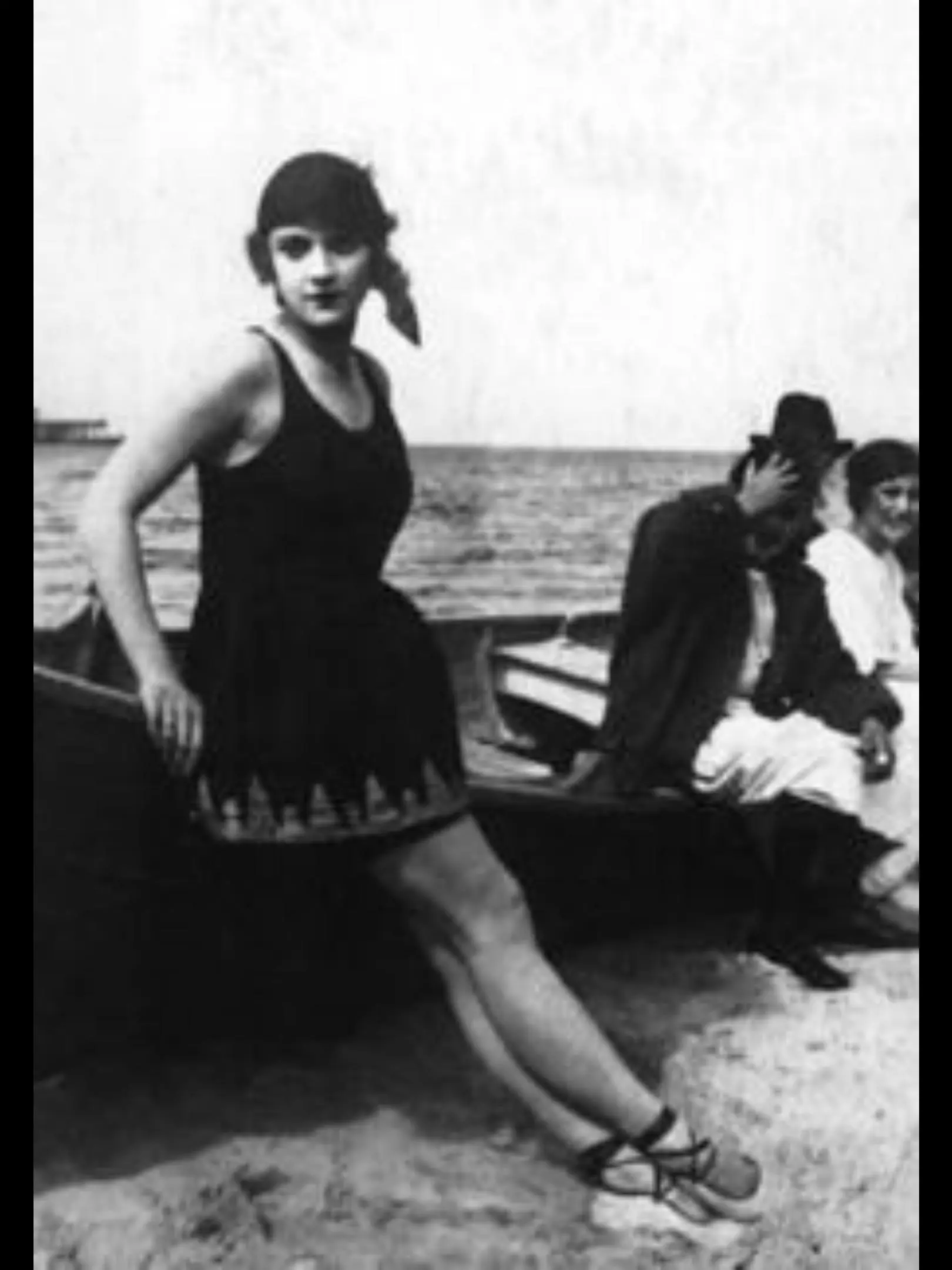
The symbolism of the tightrope walker is potent and pervasive throughout Der Sprung ins Leben. The tightrope itself represents not just her profession, but her very existence: a life lived on the edge, demanding perfect balance, unwavering focus, and an acceptance of risk. It is a life of freedom and precarity, in stark contrast to the intellectual's world of stability and predictable comfort. Her original lover, the tightrope walker, embodies this world – a figure of shared experience, understanding, and unpretentious affection. His presence, often in the background, serves as a constant, silent reminder of the life she has left behind, and the fundamental truths about herself that she is trying to suppress. This unspoken connection is more powerful than any amount of intellectual discourse or societal grooming.
Eichberg's direction, typical of the more visually expressive German cinema of the period, likely employs stark contrasts in setting and costume to emphasize the thematic divides. The opulent, perhaps suffocating, interiors of the intellectual's home would stand in stark relief to the vibrant, chaotic energy of the circus tent. The costumes, too, would tell a story: the restrictive elegance of evening gowns versus the freedom of performance wear. Even in its silent form, the film communicates emotion and narrative through powerful visual metaphors. The physical comedy inherent in the circus scenes, juxtaposed with the dramatic tension of the domestic scenes, might even evoke comparisons to the masterful physical storytelling seen in works like Cops, though with a decidedly more dramatic intent.
The emotional arc of the circus performer is the film's most compelling element. Her struggle is palpable: the desire to please her new love, the genuine effort to adapt, but also the growing sense of alienation from her true self. The 'leap into life' that the intellectual envisioned for her was, paradoxically, a leap into a life that was not truly hers. The film builds towards an inevitable climax where the artificiality of her new existence becomes unbearable. The call of the sawdust, the smell of the greasepaint, the exhilarating danger of the high wire – these are not merely memories, but fundamental components of her being. The intellectual's world, for all its comforts and supposed superiority, cannot offer the intrinsic fulfillment that her chosen art provides.
The denouement, where she ultimately returns to her tightrope walker lover and the circus, is not a failure of love, but a triumph of self. It is a powerful statement about the futility of trying to fit a square peg into a round hole, especially when the 'hole' is a societal construct and the 'peg' is a vibrant, unique individual. Her choice is an affirmation of authenticity, a refusal to be defined by another's expectations. This resolution, far from being a defeat, is a courageous act of reclaiming her identity and embracing the life that truly nourishes her spirit. One could even argue a thematic echo with films like The Quitter, where characters must grapple with difficult choices that define their future, or perhaps The Summer Girl, which might explore similar escapist desires or the pull of a different kind of freedom, albeit in a more lighthearted vein.
The inclusion of Marlene Dietrich in the cast, even in what might have been an early, smaller role, adds a layer of historical fascination. It allows contemporary viewers to glimpse one of cinema's most iconic figures at the very genesis of her career, before she became the enigmatic siren of The Blue Angel and Hollywood legend. Her presence, however brief, undoubtedly contributed to the film's allure then and now. The ensemble cast, including Max Valentin and Hermann Thimig, would have been familiar faces to German audiences, lending gravitas and authenticity to the various societal archetypes portrayed.
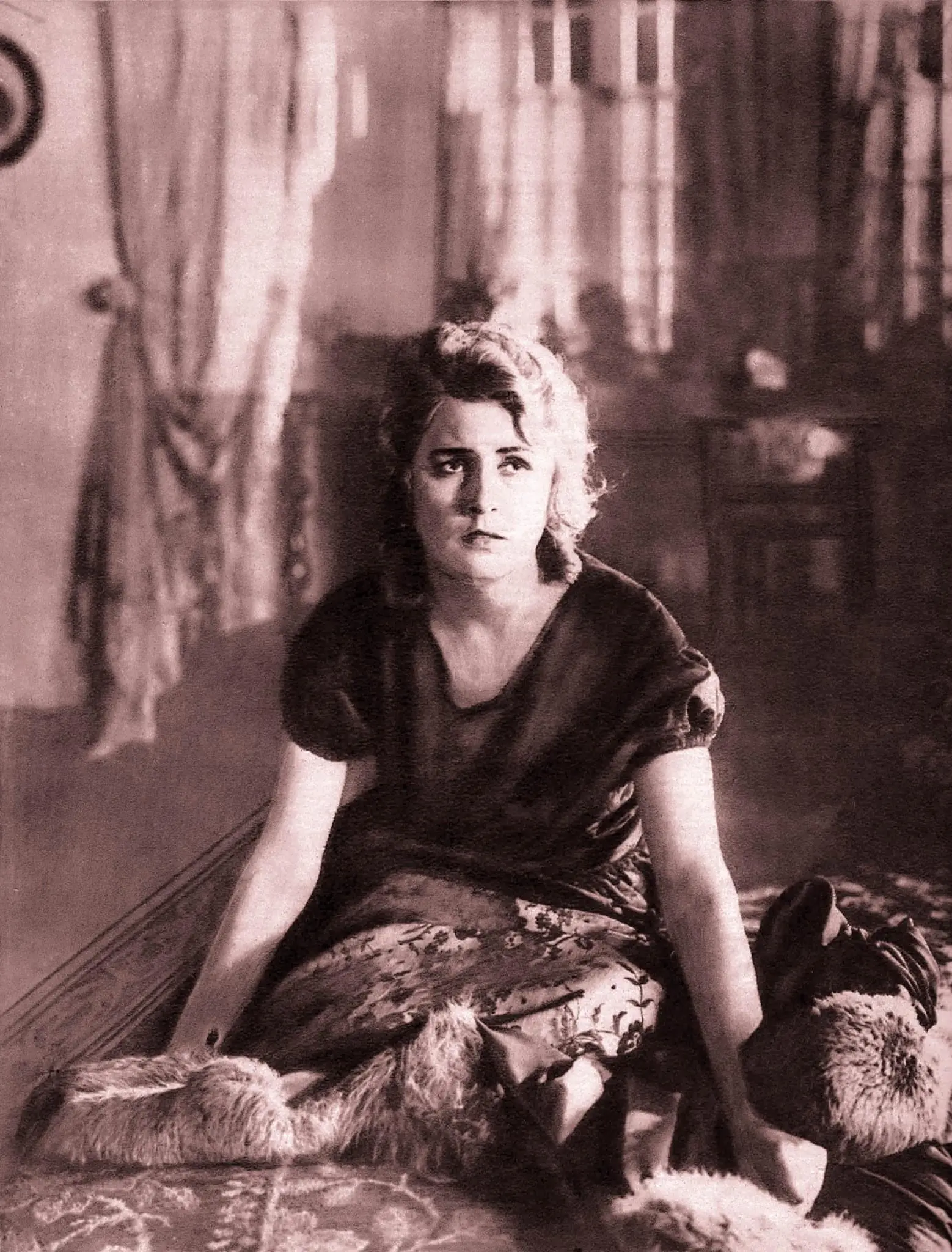
Der Sprung ins Leben is a testament to the sophistication of silent film storytelling. Without dialogue, the filmmakers relied on visual cues, compelling performances, and expressive intertitles to convey complex emotions and societal critiques. The film’s power lies in its ability to transcend its specific historical context and speak to universal human experiences: the desire for love, the struggle for identity, and the courage to live authentically. It reminds us that true happiness often lies not in conforming to external expectations, but in embracing the unique rhythm of one's own heart. This enduring message is what elevates it beyond a mere period piece, making it a subject worthy of contemporary critical engagement.
The societal commentary embedded within the narrative is particularly sharp. It critiques the intellectual's presumption that his world is inherently superior, that his values are universally applicable. The film subtly argues that different forms of intelligence and different ways of living hold equal merit. The 'cultivation' sought by the intellectual is ultimately revealed as a form of domestication, an attempt to tame a wild spirit. This theme of societal friction and personal liberation can be seen in other films of the era, such as Die Bestie im Menschen, though that film explored darker, more primal aspects of human nature, or even By Divine Right, which might have touched upon inherited social standing versus personal worth.
Examining the title itself, Der Sprung ins Leben, one can interpret it in multiple ways. For the intellectual, his 'leap' is to bring a perceived 'unrefined' soul into his 'life' of sophistication. For the performer, her initial 'leap' is into this new, alien world. But the ultimate, most profound 'leap' is her return to her true calling, a leap of faith back into the life she was meant to lead, the life that defines her. This final decision is not one of regret but of resolute self-acceptance, a powerful statement that resonates long after the final frame. It’s a testament to the idea that some forms of freedom, though perhaps precarious, are more valuable than any gilded cage.
The film serves as a poignant reminder that genuine connection thrives on acceptance, not on attempts at re-engineering. The intellectual's failure stems from his inability to see past his own idealized image of the performer. He seeks to love a creation of his own design, rather than the vibrant, independent woman before him. This psychological depth is what allows Der Sprung ins Leben to transcend its genre and era, offering a timeless meditation on the complexities of human relationships and the imperative of personal authenticity. It's a rich tapestry woven with threads of ambition, love, and the indelible mark of one's true calling, making it a compelling watch for anyone interested in the foundational period of German cinema and the eternal dance between societal expectation and individual spirit.
Considering the broader landscape of silent cinema, Der Sprung ins Leben stands out for its nuanced characterizations and its bold thematic explorations. It avoids simplistic moralizing, instead presenting a complex human drama where no single character is entirely right or wrong, merely driven by their own understanding of love and life. The film's enduring power lies in this ambiguity, in its invitation for audiences to reflect on their own choices and the compromises they make between personal desire and societal demand. It's a film that asks us to consider what it truly means to take a 'leap into life' and whether that leap is towards another's vision or towards the deepest truths of our own being.
In a world still grappling with issues of class, identity, and the pressures to conform, Der Sprung ins Leben remains remarkably relevant. Its quiet critique of intellectual arrogance and its celebration of an unconventional life path offer a refreshing perspective. It reminds us that the most profound 'culture' might not always be found in grand libraries or elegant salons, but in the raw, honest expression of one's unique talent and passion. The circus, in this context, becomes a metaphor for freedom, for a life lived on one's own terms, however challenging that may be. Much like how films such as Il Fauno or The Butterfly Man might explore themes of nature versus artifice, or transformation and fleeting beauty, Der Sprung ins Leben captures a particular human struggle with grace and profound insight. It's a cinematic treasure that continues to provoke thought and stir the soul.
IMDb —
1919
Community
Log in to comment.