DbcultAccessing Vault...
Cult Review
Senior Film Conservator
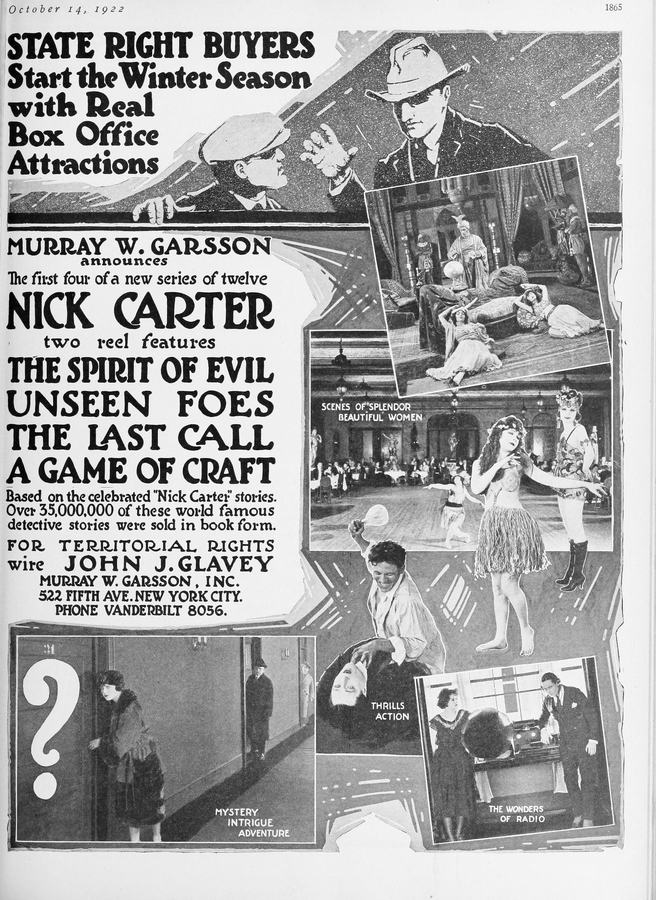
When the neon flicker of a seaside bar sputters against a moonless sky, The Last Call invites the viewer into a world where every clink of glass reverberates with unspoken longing. Edmund Lowe, embodying the world‑weary Jack Malone, carries the weight of a generation that has watched the American Dream dissolve into a haze of cheap whiskey and broken promises. His performance is a masterclass in restrained melancholy; each furrowed brow and measured sip conveys a narrative that words could scarcely articulate.
Diana Allen’s Evelyn Hart, meanwhile, is a siren of the night, her voice a velvet rope that draws patrons into a realm where desire and desperation intertwine. Allen’s vocal interludes are not merely musical interludes; they function as narrative leitmotifs, echoing the film’s central theme of transience. The juxtaposition of her luminous presence against Malone’s stoic demeanor creates a dynamic tension that propels the story forward, reminiscent of the chemistry observed in Gambler's Gold, where two protagonists navigate a treacherous moral landscape.
The screenplay, though credited anonymously, exhibits a deft hand at weaving subtext into dialogue. The bar itself becomes a character—a microcosm of a city teetering on the brink of change. The script’s pacing mirrors the ebb and flow of the tide, with moments of languid introspection punctuated by sudden bursts of action. When a notorious bootlegger, Silas Reed (a peripheral yet pivotal figure), threatens to seize control of the establishment, the narrative stakes rise dramatically, echoing the underworld intrigue found in Crooky. Reed’s intrusion forces Malone and Hart to confront not only external threats but also the internal demons that have haunted them for years.
Cinematographically, the film employs chiaroscuro lighting to accentuate the moral ambiguity that pervades the story. Shadows linger in the corners of the bar, suggesting hidden motives, while shafts of amber light cut through the gloom, symbolizing fleeting moments of hope. The use of deep focus shots during the climactic “last call” sequence allows the audience to simultaneously track multiple characters’ reactions, a technique that would later be celebrated in classic noir.
The narrative structure is meticulously layered. The opening act establishes Malone’s routine—a ritualistic polishing of glasses, a silent communion with the night’s regulars—while subtly hinting at his past as a former boxer whose career was derailed by a single, devastating loss. This backstory is revealed through a series of flashbacks, each rendered in a sepia tone that distinguishes memory from present reality. The flashbacks serve a dual purpose: they humanize Malone and provide a thematic counterpoint to Evelyn’s own recollections of a once‑promising singing career that was stifled by a controlling impresario.
Evelyn’s arc is equally compelling. Her performances are interspersed with whispered conversations with a mysterious benefactor, a subplot that gradually unfurls to reveal a clandestine scheme to smuggle contraband through the bar’s cellar. This revelation adds a layer of moral complexity: Evelyn is not merely a victim of circumstance but an active participant in the city’s illicit economy. Her motivations are nuanced—she seeks financial independence, yet she is also driven by a yearning to protect the bar that has become her sanctuary. This duality mirrors the conflicted protagonists of Hombre sin patria, where personal ambition collides with communal responsibility.
The supporting cast enriches the tapestry of the film. The bartender’s loyal assistant, Tommy (a spry youngster with a quick wit), provides moments of levity that prevent the narrative from descending into unrelenting gloom. His banter, laced with period slang, offers a glimpse into the vernacular of the era, grounding the film in its historical context. Meanwhile, the bar’s regulars—an eclectic mix of dockworkers, jazz musicians, and weary veterans—function as a Greek chorus, their murmurs and reactions echoing the societal anxieties of the Great Depression.
The thematic core of The Last Call revolves around the concept of finality. The titular “last call” is not merely a procedural announcement for closing time; it symbolizes the characters’ last opportunity to rewrite their destinies before the inexorable march of time consigns them to oblivion. This motif is reinforced through recurring visual cues: a broken clock on the wall, a wilted rose on the bar counter, and the ever‑present ticking of a metronome that underscores Evelyn’s performances.
When the climactic confrontation erupts, the film reaches a crescendo of tension. Silas Reed, backed by a cadre of thugs, attempts to seize the bar’s liquor stock, intending to leverage it for a larger smuggling operation. Malone, drawing upon his forgotten boxing prowess, engages in a visceral fight sequence that is both brutal and poetic. The choreography of the fight—utilizing the bar’s fixtures as improvised weapons—exemplifies the film’s resourceful direction. Evelyn, meanwhile, uses her vocal talent to distract the assailants, her voice soaring above the chaos like a beacon of defiance.
The resolution is bittersweet. Malone emerges victorious but at a great personal cost; a fatal wound forces him to confront his mortality. Evelyn, having secured the bar’s future, chooses to stay, her voice now tinged with a newfound resolve. The final scene lingers on the empty bar as the sun rises, casting a pale glow over the polished wood—a visual metaphor for renewal after devastation. This ending resonates with the melancholic optimism found in Fit to Win, where characters find redemption through sacrifice.
From a technical standpoint, the film’s sound design deserves commendation. The ambient clatter of glasses, the low hum of conversation, and the occasional distant siren create an immersive soundscape that transports the viewer into the bar’s intimate world. The musical score, anchored by Evelyn’s haunting ballads, weaves seamlessly with the narrative, each melody underscoring a pivotal emotional beat.
Comparatively, The Last Call shares thematic DNA with several contemporaneous works. Its exploration of redemption through a final act aligns with the moral reckonings in The Agonies of Agnes, while its portrayal of a strong female lead navigating a male‑dominated underworld echoes the resilience of the protagonist in Two Women. Moreover, the film’s atmospheric tension and use of chiaroscuro prefigure the stylistic choices later perfected in film noir classics such as Lights of New York.
The direction, though uncredited, demonstrates a sophisticated grasp of pacing. The deliberate slow burn of the first act establishes a palpable sense of anticipation, while the rapid escalation in the third act delivers a satisfying payoff. The editor’s decision to intercut flashbacks with present‑day action maintains narrative cohesion, ensuring that the audience remains emotionally invested in both Malone’s and Evelyn’s pasts.
In terms of cultural impact, The Last Call stands as a testament to the resilience of the human spirit during an era of economic hardship. Its portrayal of characters who refuse to succumb to despair, instead choosing to confront their circumstances head‑on, offers a timeless lesson in perseverance. The film’s subtle commentary on the illicit economies that flourished during Prohibition adds a layer of historical relevance, inviting modern viewers to reflect on the cyclical nature of societal vices.
The performances, cinematography, and thematic depth coalesce to create a work that transcends its modest budget. While it may lack the grandiosity of studio epics, its intimate focus on character and atmosphere renders it a hidden gem for aficionados of classic cinema. For those seeking a film that balances gritty realism with lyrical melancholy, The Last Call delivers an unforgettable experience that lingers long after the final frame fades to black.
In sum, The Last Call is a richly textured portrait of redemption, love, and the inexorable passage of time. Its nuanced characters, evocative visual style, and resonant score make it a compelling study in the art of storytelling. Whether viewed as a standalone masterpiece or in conversation with its cinematic peers—such as Her Unwilling Husband, A Pigskin Hero, or the avant‑garde Venchal ikh satana—The Last Call affirms its place in the pantheon of enduring American drama.
IMDb 6.9
1935
Community
Log in to comment.