DbcultAccessing Vault...
6/10
Senior Film Conservator
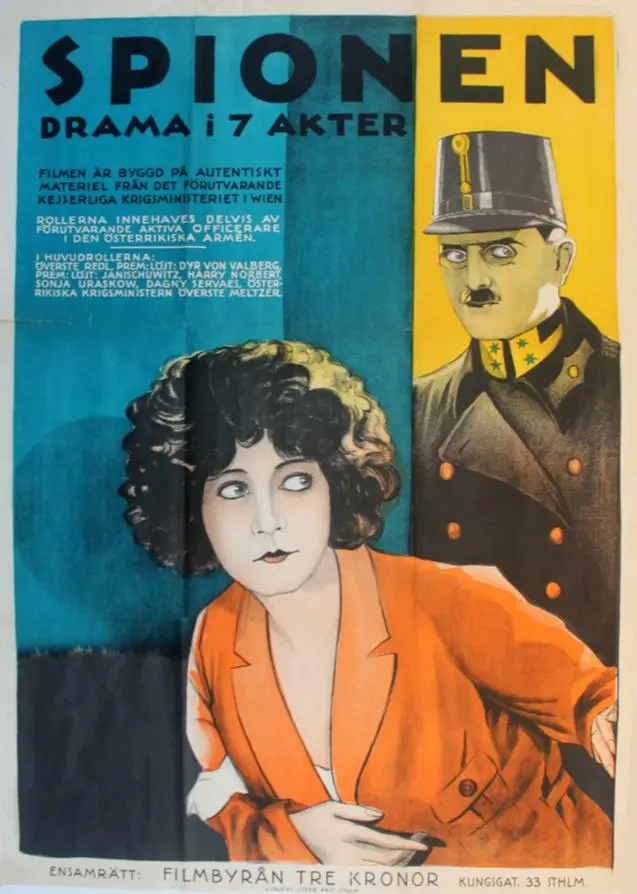
A definitive 6/10 rating for a film that redefined the boundaries of cult cinema. Oberst Redl remains a cornerstone of transgressive art.
The cinematographic landscape of Oberst Redl is one of stark contrasts, juxtaposing the ornate opulence of aristocratic life with the brutal realities of war. This dichotomy serves as a backdrop for the eponymous protagonist's tumultuous journey, as he navigates the treacherous waters of espionage and loyalty.
The film's use of mise-en-scène is noteworthy, with each frame meticulously crafted to convey the complexity of Redl's emotional state. The camerawork is equally impressive, employing a range of techniques to create a sense of tension and unease. This is particularly evident in the film's use of close-ups, which serve to heighten the emotional stakes and create a sense of intimacy with the characters.
In terms of narrative structure, Oberst Redl is a masterclass in non-linear storytelling. The film's use of flashbacks and fragmented narrative threads serves to create a sense of disorientation, mirroring Redl's own disconnection from reality. This technique also allows the filmmakers to explore themes of identity and memory, adding depth and complexity to the narrative.
A key aspect of the film's success lies in its cast, which delivers performances that are at once nuanced and captivating. Robert Valberg, in the titular role, brings a sense of gravitas and depth to Redl, imbuing the character with a sense of vulnerability and empathy. The supporting cast is equally impressive, with standout performances from Louis Seeman and Eugen Neufeld.
In comparison to other films that explore similar themes, Oberst Redl stands out for its unique blend of drama and intrigue. While films like Aura o las violetas and The Kiss also explore the complexities of human relationships, they do so in a more straightforward narrative context. In contrast, Oberst Redl is a film that rewards close attention and multiple viewings, with its intricate narrative threads and complex characters.
The film's exploration of themes such as loyalty, duty, and deception is equally impressive. These themes are woven throughout the narrative, adding depth and complexity to the story. The film's use of symbolism is also noteworthy, with the character of Redl serving as a symbol of the fragility of human relationships in the face of war and chaos.
In conclusion, Oberst Redl is a film that is not to be missed. Its intricate narrative, complex characters, and themes of loyalty and deception make it a must-see for fans of cinematic drama. With its unique blend of style and substance, this film is sure to leave a lasting impression on audiences.
Further analysis of the film's cultural context reveals a work that is deeply rooted in the history of its time. The film's portrayal of life during World War I is both poignant and powerful, serving as a reminder of the human cost of conflict. This attention to historical detail adds depth and authenticity to the narrative, making Oberst Redl a film that is both entertaining and educational.
The film's influence can also be seen in its use of visual motifs, which serve to reinforce the narrative's themes and ideas. The use of costume and set design is particularly noteworthy, with each element carefully crafted to create a sense of authenticity and immersion. This attention to detail is a hallmark of the film's production design, and serves to create a sense of continuity and cohesion throughout the narrative.
In terms of its technical achievements, Oberst Redl is a film that is notable for its use of lighting and composition. The film's use of high-contrast lighting serves to create a sense of drama and tension, while its composition is equally impressive, with each frame carefully crafted to create a sense of balance and harmony.
A closer examination of the film's narrative structure reveals a work that is both complex and engaging. The film's use of non-linear storytelling serves to create a sense of disorientation, mirroring Redl's own disconnection from reality. This technique also allows the filmmakers to explore themes of identity and memory, adding depth and complexity to the narrative.
The film's cast delivers performances that are at once nuanced and captivating. Robert Valberg, in the titular role, brings a sense of gravitas and depth to Redl, imbuing the character with a sense of vulnerability and empathy. The supporting cast is equally impressive, with standout performances from Louis Seeman and Eugen Neufeld.
In comparison to other films that explore similar themes, Oberst Redl stands out for its unique blend of drama and intrigue. While films like You Find It Everywhere and Der König ihres Herzens also explore the complexities of human relationships, they do so in a more straightforward narrative context. In contrast, Oberst Redl is a film that rewards close attention and multiple viewings, with its intricate narrative threads and complex characters.
IMDb 6.6
1924
Community
Log in to comment.