Should you invest your time in this 1926 silent relic? Short answer: yes, but only if you value atmosphere over adrenaline.
This film is specifically for those who appreciate the slow-burn psychological tension of the late silent era and the literary depth of Pierre Benoît’s adaptations. It is decidedly NOT for anyone seeking a traditional romantic payoff or a fast-paced historical epic. It is a film of silences, stares, and the cold reality of unrequited memory.
The Verdict at a Glance
This film works because: It masterfully uses the fictional setting of Mingrelia to mirror the internal coldness of its female lead, creating a unique sense of geographical and emotional isolation.
This film fails because: The middle act leans too heavily on political exposition through intertitles, which can stall the momentum of François’s personal journey.
You should watch it if: You are fascinated by how silent cinema portrays the passage of time and the brutal realization that the past cannot be reclaimed.
The Architecture of Indifference
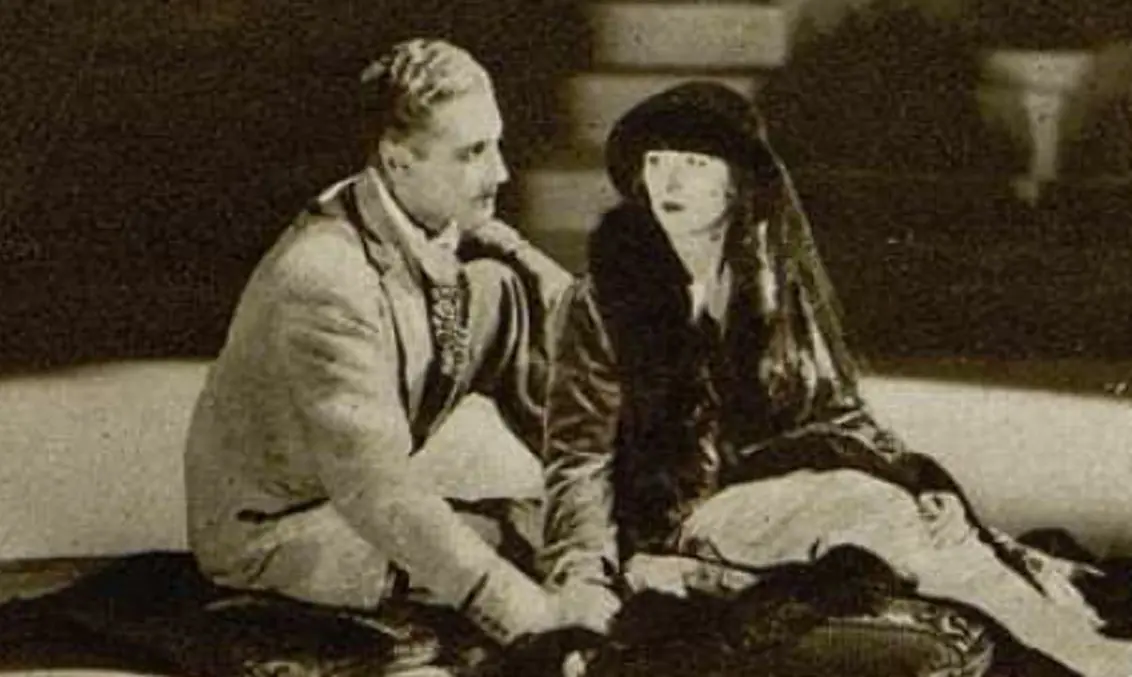
La chaussée des géants is not a love story; it is a story about the failure of love to bridge the gap of time. When François Gérard finally stands before Antiope in the rugged landscapes of Mingrelia, the audience expects a spark. Instead, we get a void. Berthe Dagmar’s performance as Antiope is a masterclass in stony detachment. She doesn't just forget François; she seems to have erased the very concept of him.
Scene from La chaussée des géants
Cinematic perspective: Exploring the visual vocabulary of La chaussée des géants (1926) through its definitive frames.
This choice is daring. Most films of this era, such as Nelly Raintseva, rely on heightened melodrama and grand gestures. Here, the drama is found in the lack of a gesture. It is brutally simple. François is a man living in a dream, while Antiope is a woman living in a revolution. The two cannot occupy the same reality.
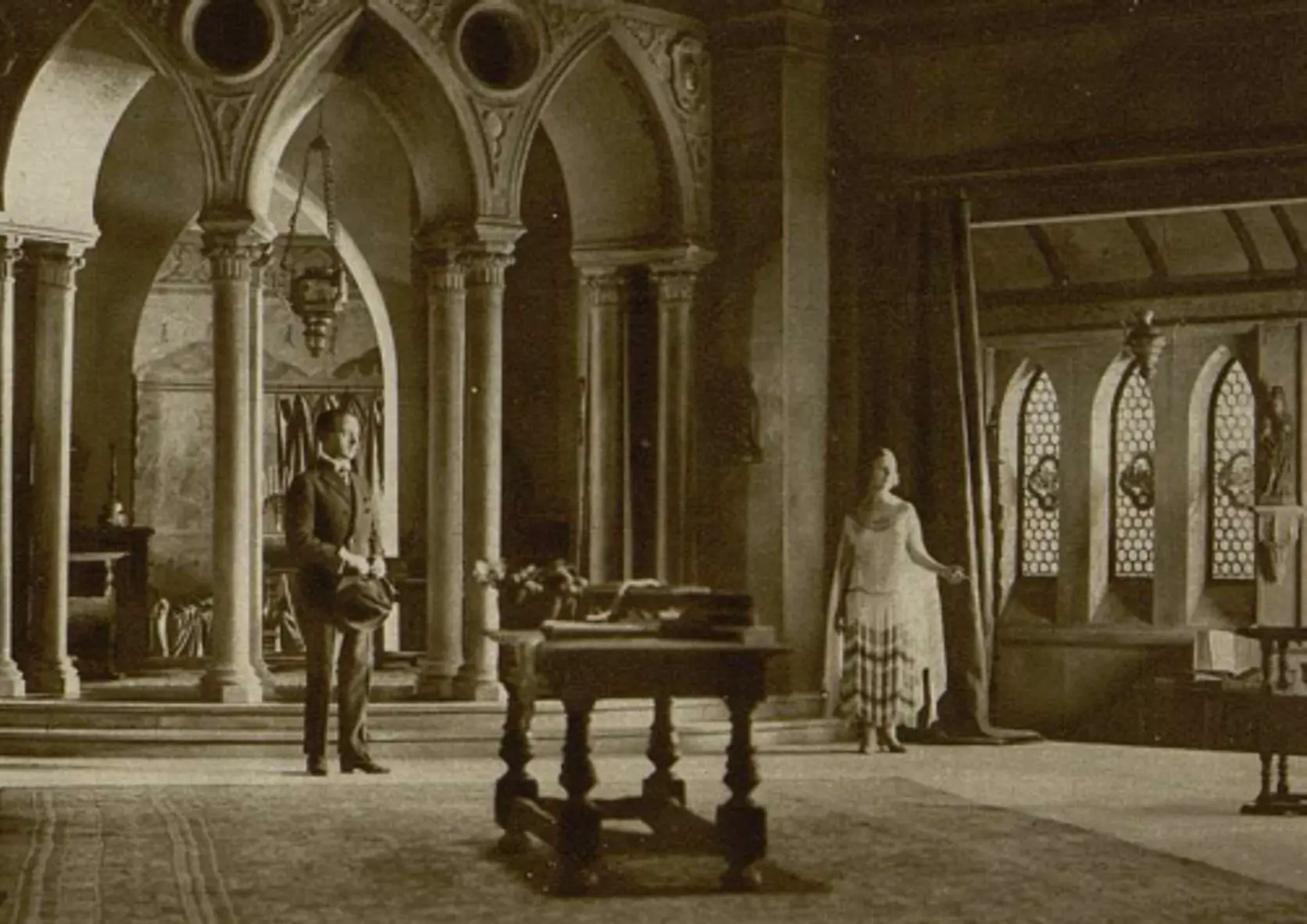
The Count of Antrim, played with a weary gravitas by the cast, serves as the bridge between these two worlds. He represents the old guard, a crumbling pillar in a country about to be torn apart. His hospitality toward François feels like a desperate attempt to cling to a refined past that no longer exists. The tension in the Antrim household is palpable, captured through lingering shots of ornate interiors that feel more like gilded cages than homes.
Visual Language and the Mingrelian Landscape
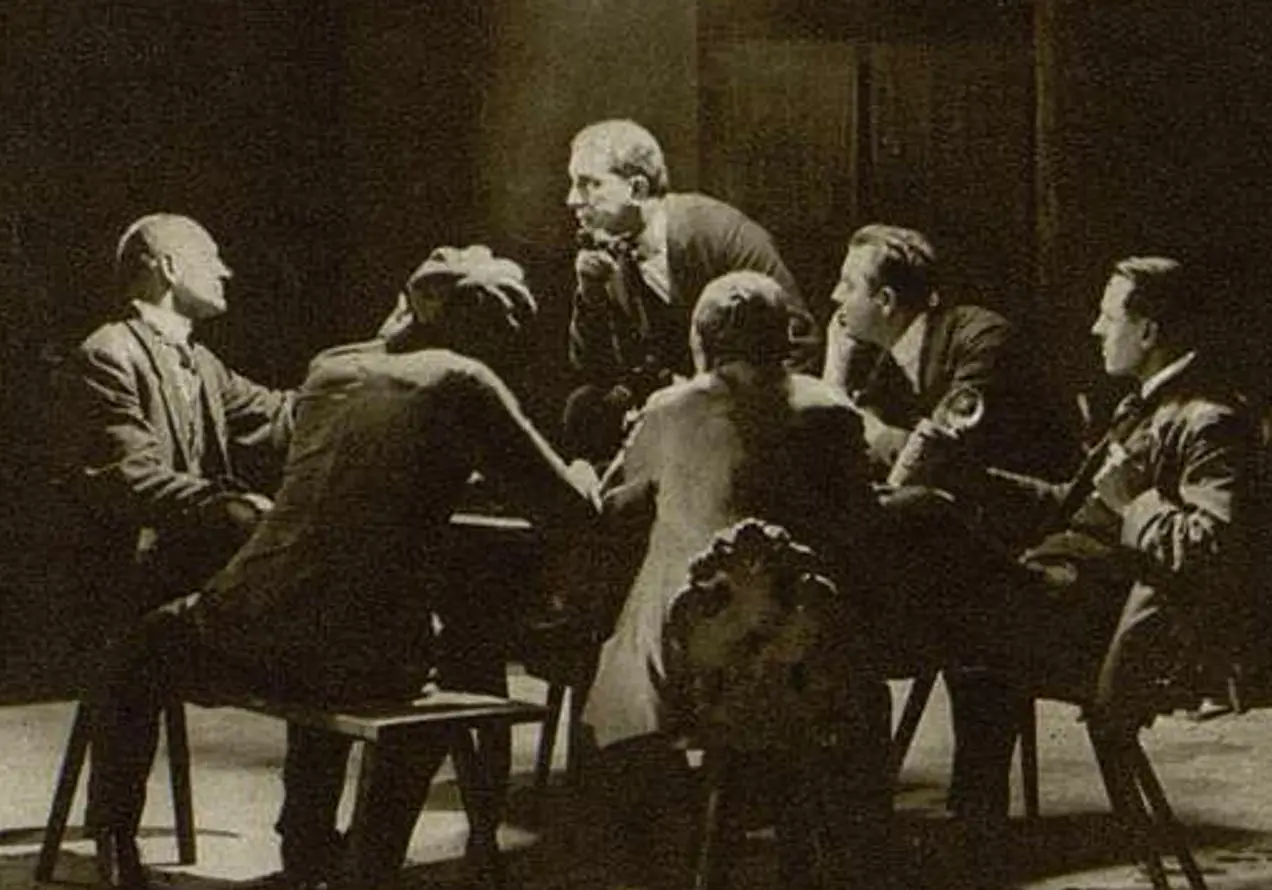
The cinematography in this film is remarkably disciplined. The director avoids the flashy camera movements that were becoming popular in the late 20s, opting instead for static, painterly compositions. This mirrors the protagonist’s state of mind: he is stuck. He is a man looking at a photograph that refuses to come to life.
Scene from La chaussée des géants
Cinematic perspective: Exploring the visual vocabulary of La chaussée des géants (1926) through its definitive frames.
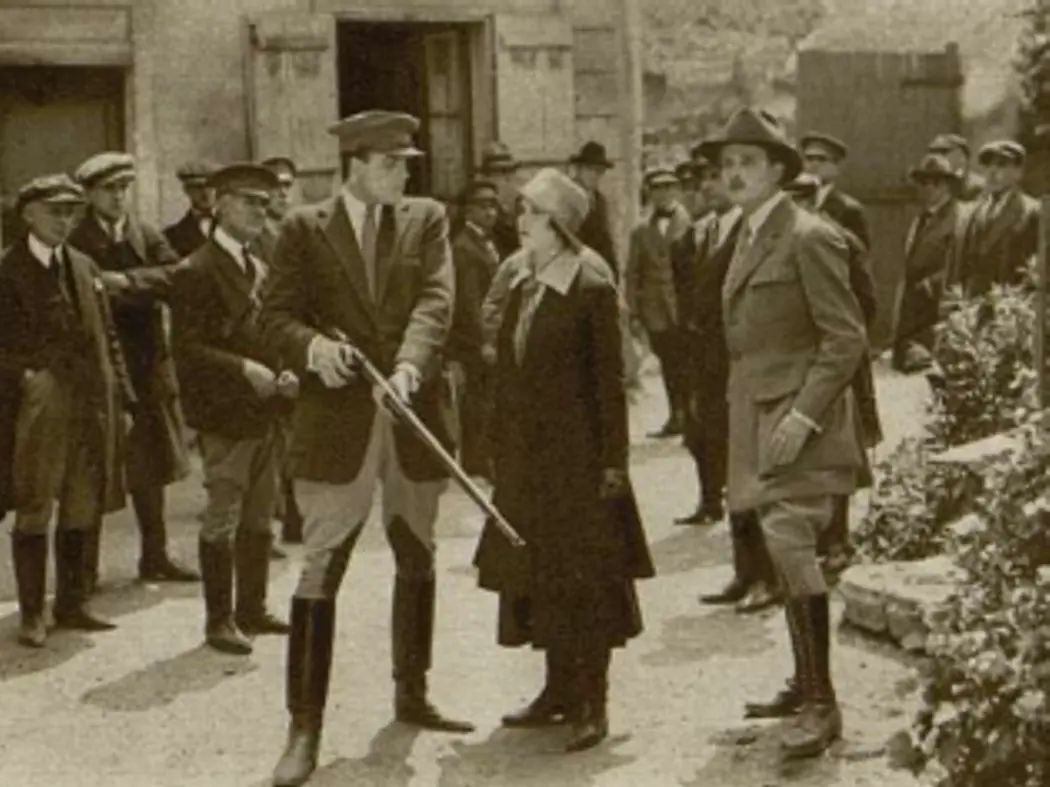
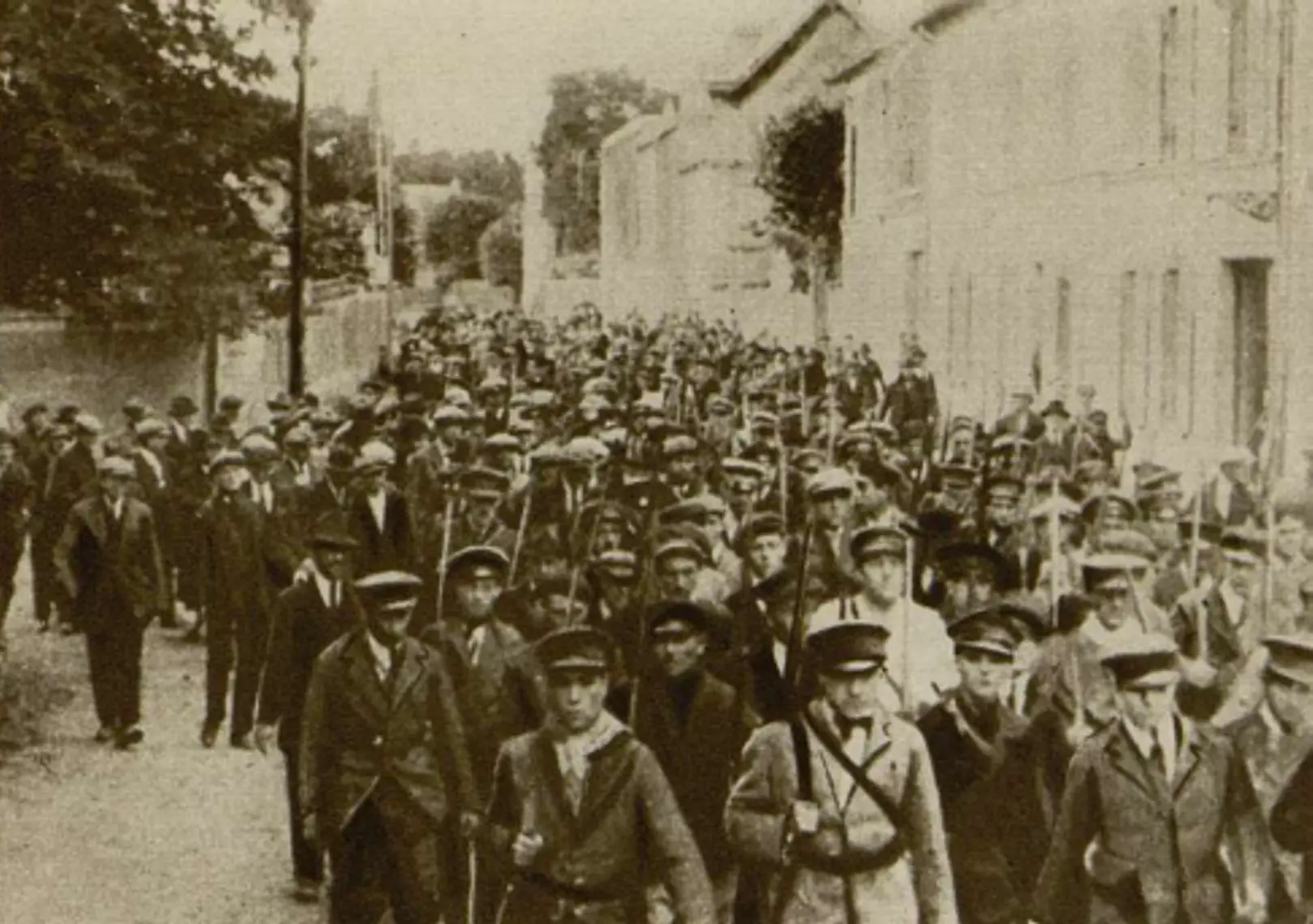
The use of shadow during the scenes of political unrest is particularly effective. As the revolution brews in the background, the lighting becomes harsher and more contrast-heavy. We see the shadows of soldiers and revolutionaries dancing on the walls of the Count’s estate. It creates a sense of encroaching doom that feels far more real than the romantic subplot. In many ways, the revolution is the most vibrant character in the film. It has more life than the relationship between François and Antiope.
Compare this to the rugged outdoor spirit found in The Northern Code. While that film uses the environment as a challenge to be overcome, La chaussée des géants uses it as a metaphor for the insurmountable distance between people. The "Giant's Causeway" of the title isn't just a location; it’s the rocky, uneven path of memory that François fails to navigate.
Is this film worth watching?
Yes, La chaussée des géants is worth watching for its subversion of silent film tropes. It refuses to give the audience the easy satisfaction of a reunited couple. Instead, it offers a haunting look at how political turmoil and the passage of time can render even the most cherished memories irrelevant. It is a somber, beautiful, and deeply cynical piece of work.
Scene from La chaussée des géants
Cinematic perspective: Exploring the visual vocabulary of La chaussée des géants (1926) through its definitive frames.
A Study in Pacing and Tone
The pacing of the film is deliberate. Some might call it slow. I call it honest. If the film moved any faster, we wouldn't feel the weight of François’s disappointment. We need to sit in the silence with him. We need to feel the awkwardness of his attempts to remind Antiope of the park in Paris.
There is a specific scene where François describes a small detail from their childhood—a specific toy or a game—and the camera stays on Antiope’s face. She doesn't blink. She doesn't soften. It is one of the most devastating moments in 1920s cinema. It reminded me of the stark emotional honesty in Lille Dorrit, though the context here is much more politically charged.
The tone shifts drastically in the final act. The revolution, which has been a low hum in the background, finally explodes. The transition from psychological drama to political thriller is handled with surprising grace. The director doesn't lose sight of the characters amidst the chaos. François is still searching for a connection, even as the world around him burns. It’s a pathetic sight, and the film knows it. It doesn't pity him; it observes him.
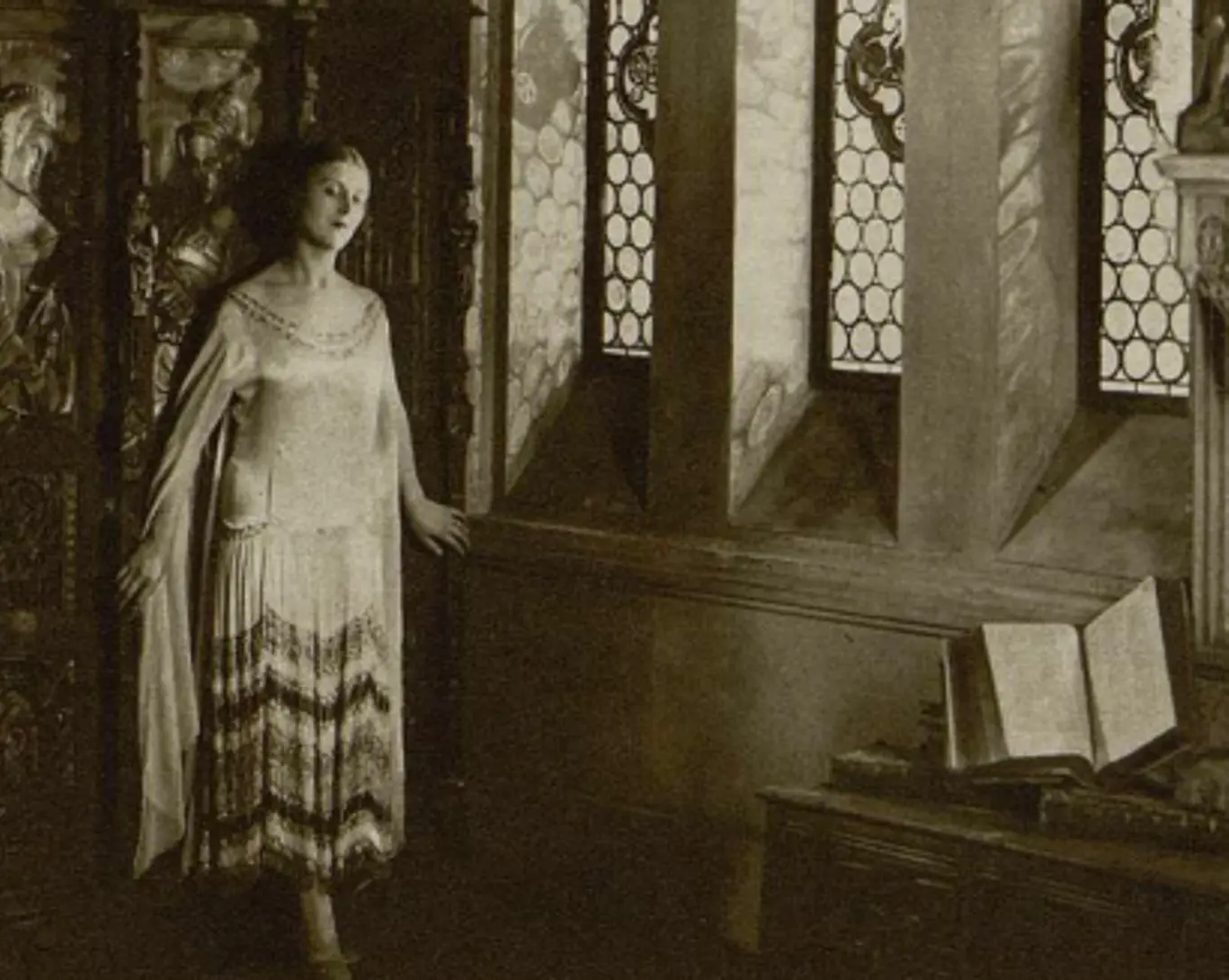
Scene from La chaussée des géants
Cinematic perspective: Exploring the visual vocabulary of La chaussée des géants (1926) through its definitive frames.
Directing and Performance Nuance
The direction focuses heavily on the eyes. In an era where over-acting was the norm, the restraint shown by the lead actors is commendable. Youcca Troubetzkov portrays François not as a dashing hero, but as a man who is fundamentally out of his depth. He is a tourist in a tragedy. His performance is characterized by a sort of permanent bewilderment that is both relatable and frustrating.
On the other hand, the supporting cast provides the necessary texture to the Mingrelian setting. The revolutionaries are not depicted as faceless monsters but as a force of nature. Their presence is felt even when they aren't on screen. This atmospheric pressure is what makes the film stand out from other period dramas like Sally of the Sawdust, which operates on a much lighter, more theatrical plane.
Key Takeaways
Best for: Viewers who enjoy psychological character studies and historical dramas that don't sugarcoat the past.
Not for: Anyone looking for a traditional "happy ending" or a clear-cut hero/villain dynamic.
Standout element: The chilling, unsentimental performance of Berthe Dagmar as Antiope.
Biggest flaw: An over-reliance on intertitles to explain the complex political landscape of Mingrelia.
Pros and Cons
Pros: Stunningly composed shots; a brave, non-traditional narrative; excellent use of political tension to heighten personal drama.
Scene from La chaussée des géants
Cinematic perspective: Exploring the visual vocabulary of La chaussée des géants (1926) through its definitive frames.
Cons: The pacing in the second act can be testing; some political subplots feel slightly detached from the main emotional arc.
Final Verdict
La chaussée des géants is a cold film. It doesn't want to be your friend. It doesn't want to make you feel good about the power of memory. It is a film about the death of the past. By the time the credits roll, you realize that François was chasing a ghost that never actually existed. The girl in the park was a projection, and the woman in Mingrelia is a stranger.
It works. But it’s flawed. The political machinery of the plot sometimes grinds against the delicate psychological study of the leads. However, for those willing to engage with its grim outlook, it offers a cinematic experience that is far more sophisticated than many of its contemporaries. It is a stark reminder that while we may remember the past, the past has no obligation to remember us.
If you’ve explored the more mainstream silent offerings like Hands Up! and are looking for something with more bite and less whimsy, this is your next stop. It is a haunting, visual poem about the inevitable collapse of both empires and illusions.