DbcultAccessing Vault...
Cult Review
Senior Film Conservator
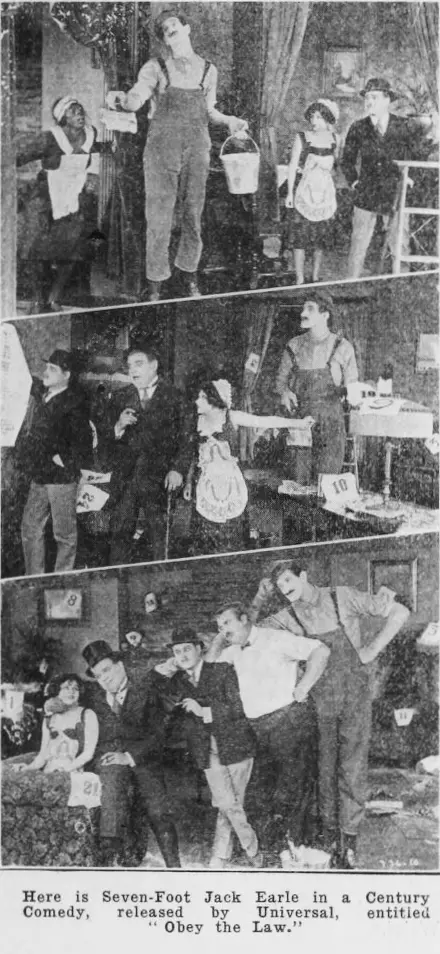
When two friends navigate the bustling world of moving and hauling, their lives become unexpectedly entangled in a whimsical web of comedic misadventures. Entwining their fortunes with a judge, his unhinged court clerk, a captivating lunch-wagon waitress, and an unyielding neighbor, the plot unfolds with a delightful absurdity that challenges even the most stoic of characters. This light-hearted comedy takes viewers on a journey filled with unexpected twists, misunderstandings, and the inherent chaos of human interactions.
The narrative opens with the idyllic scenes of two friends operating a moving and hauling business. The casual camaraderie between them sets the tone for a film that values the mundane as a backdrop to extraordinary situations. Their day is thrown into disarray when a judge, his court clerk, and a beautiful lunch-wagon waitress become central figures. The judge, with his penchant for justice, and his neighbor, whose hose becomes a weapon of choice, add layers of complexity to the narrative. The waitress, arrested for a pie-throwing incident, finds herself in the peculiar position of gaining the judge's favor through an ad in the newspaper, only to reveal the neighbor as her nemesis.
The film’s direction and screenplay maintain a delicate balance between the mundane and the absurd. The visual style is reminiscent of classic Hollywood comedies, with a touch of the quirky and the surreal. The performances, particularly those of Harry McCoy and Jack Earle, bring a charm and authenticity to their roles, making their interactions both believable and entertaining. Marjorie Marcel’s portrayal of the lunch-wagon waitress is standout, adding a touch of sly wit and charm to the narrative.
The plot thickens as the judge, driven by a sense of justice, issues a court order to attach the property of a man named J. Smith, only to find that he has the wrong house. The clerk, in his zealous pursuit, inadvertently ruins the judge’s home, leading to a series of comical misunderstandings. The film’s pacing is brisk, allowing for a seamless flow of events that keep the audience engaged. The tension between the judge and the clerk, as they navigate their shared mishaps, forms the crux of the story, providing ample opportunity for both physical comedy and witty dialogue.
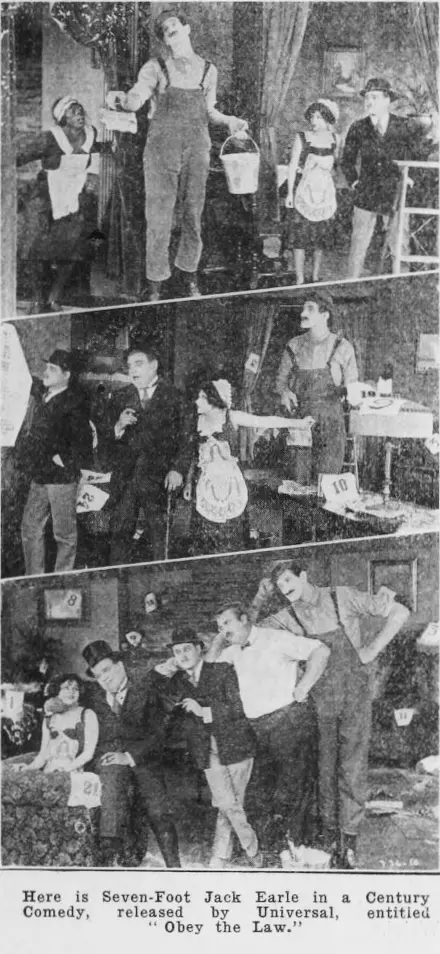
The film’s exploration of human relationships is both nuanced and humorous. The interactions between the judge and his neighbors, the judge and the clerk, and the clerk and the waitress, all contribute to a rich tapestry of character development. The neighbor, with his penchant for using a hose to douse the judge, adds a touch of unpredictability and whimsy to the narrative. The waitress, initially seen as a mischievous character, evolves into a more complex figure, with her actions driven by a desire for freedom and independence.
The film’s visual style, reminiscent of early 20th-century Hollywood, is a significant aspect of its charm. The use of period-appropriate settings and costumes enhances the authenticity of the narrative, transporting the audience to a bygone era. The cinematography captures the essence of the film’s setting, from the bustling streets of a small town to the intimate moments within the characters’ homes. The lighting and composition, often stark and dramatic, add to the film’s overall atmosphere, emphasizing the contrasting moods and emotions of the characters.
The film’s score, a blend of period-appropriate music and contemporary compositions, complements the visual and narrative elements, enhancing the emotional resonance of the story. The soundtrack’s ability to shift between light-hearted and dramatic moments perfectly matches the film’s tone, adding depth to the overall experience. The use of sound effects, particularly in the scenes involving the pie-throwing incident and the neighbor’s hose, adds a layer of realism and humor to the narrative.
“Obey the Law” stands as a testament to the enduring appeal of classic Hollywood comedies. Its blend of humor, character development, and visual style makes it a delightful watch for audiences seeking a light-hearted and engaging film. While it may not break new ground, the film’s execution is commendable, showcasing the filmmakers’ ability to craft a story that is both entertaining and thought-provoking. For fans of quirky, old-school comedies, this film is a must-watch, offering a nostalgic and thoroughly enjoyable viewing experience.
In conclusion, “Obey the Law” is a charming and humorous film that successfully navigates the complexities of human interactions through a series of comedic misadventures. Its blend of classic Hollywood style and contemporary storytelling techniques makes it a delightful watch, perfect for those seeking a light-hearted and engaging film experience.
IMDb 5.9
1937
Community
Log in to comment.