DbcultAccessing Vault...
Cult Review
Senior Film Conservator
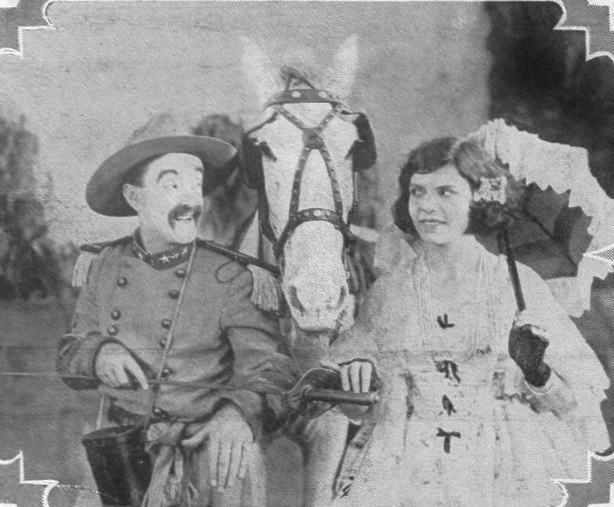
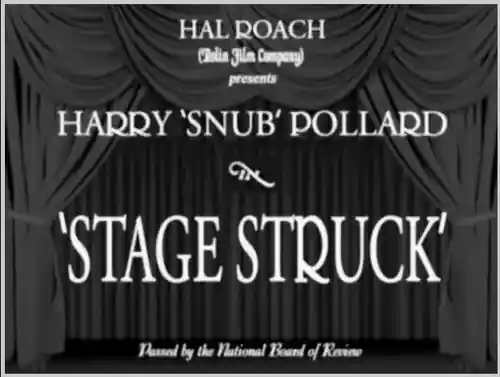
The 1922 film Stage Struck is a cinematic gem that warrants attention for its ingenious exploration of the human condition, expertly weaving together elements of comedy, drama, and social commentary. At its core, the movie tells the story of Stage-door-Johnnie Snub, an endearing and enthusiastic young man who has become utterly enamored with the charming Marie, the star of a second-rate stage show. This melodrama, set against the backdrop of the American Civil War, serves as the perfect catalyst for a series of hilarious misunderstandings and unexpected revelations.
As the show's producers find themselves in a predicament, with one of their actors unable to perform, Snub is thrust into the spotlight, taking on the role of a Confederate General. This sudden transformation sparks a chain of events that not only challenges Snub's perception of himself but also forces him to confront the harsh realities of the world around him. Through his journey, the film masterfully highlights the tension between the idealized world of theatre and the often-cruel nature of reality, echoing the sentiments found in films like Lion of Venice and In for Life.
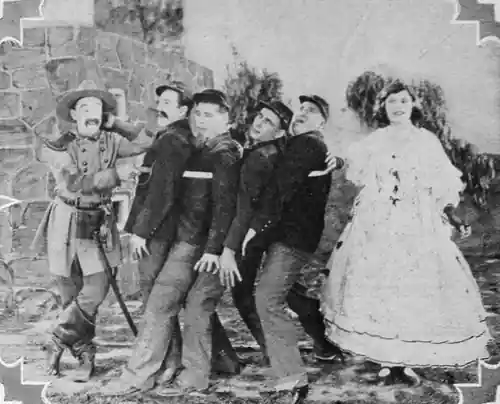
The cinematography in Stage Struck is noteworthy, with a keen attention to detail that transports the viewer to the vibrant world of 1920s theatre. The use of lighting, in particular, adds a layer of depth to the narrative, with the bright, dark orange hues of the stage lights contrasting starkly with the more subdued, sea blue tones of the outside world. This visual dichotomy serves as a powerful metaphor for the dual existence of Snub, who must navigate the complexities of his own identity while becoming increasingly immersed in the character he portrays.
The cast of Stage Struck delivers performances that are at once captivating and poignant, bringing a level of nuance and depth to the narrative that is nothing short of remarkable. Marie Mosquini, in particular, shines as the star of the stage show, exuding a charm and charisma that is impossible to resist. Her on-screen presence is reminiscent of the iconic performances found in films like Cleopatra and Whom the Gods Would Destroy, a testament to the enduring power of cinematic storytelling.
One of the most striking aspects of Stage Struck is its thoughtful exploration of the human condition, delving into themes that are just as relevant today as they were upon the film's initial release. The movie's portrayal of the tensions between reality and illusion, identity and performance, serves as a powerful commentary on the complexities of human experience, inviting the viewer to reflect on the ways in which we all, to some extent, 'perform' in our daily lives. This is a sentiment echoed in films like Tulagi: A White Spot in a Black Land and Scratch My Back, which also explore the intricate dynamics of human relationships and the blurred lines between reality and fiction.
In terms of its place within the broader cinematic landscape, Stage Struck can be seen as part of a larger tradition of films that use comedy and drama to comment on the human condition. Movies like Our Bridge of Ships and The Hinges on the Bar Room Door also employ this approach, using the lens of comedy to explore complex social issues and the intricacies of human relationships. By examining these films in conjunction with Stage Struck, it becomes clear that the use of comedy as a tool for social commentary is a longstanding tradition in cinema, one that continues to evolve and adapt to the changing needs and concerns of society.
The legacy of Stage Struck can also be seen in its influence on later films, such as Udar v spinu and Red, White and Blue Blood, which also explore the complexities of identity and performance. The film's use of dark orange and sea blue hues to convey the tension between reality and illusion has also been echoed in films like The Simp and A Close Shave, demonstrating the enduring power of visual storytelling in cinema.
Ultimately, Stage Struck is a film that rewards close attention and reflection, offering a nuanced and multifaceted exploration of the human condition that is both deeply moving and profoundly thought-provoking. As a work of cinematic art, it stands alongside other classics like Mistaken Identity and Adventures of Tarzan, a testament to the enduring power of film to capture the complexities and mysteries of human experience. Whether viewed as a commentary on the nature of identity, a satire of the social conventions of the time, or simply as a beautifully crafted work of cinematic art, Stage Struck is a movie that will continue to resonate with audiences for generations to come, its themes and motifs remaining as relevant and thought-provoking today as they were upon its initial release, a true masterpiece of cinematic storytelling that invites us to love me, to love the art of cinema, and to cherish the beauty and complexity of the human experience.
IMDb 6.8
1924
Community
Log in to comment.