DbcultAccessing Vault...
6.1/10
Senior Film Conservator
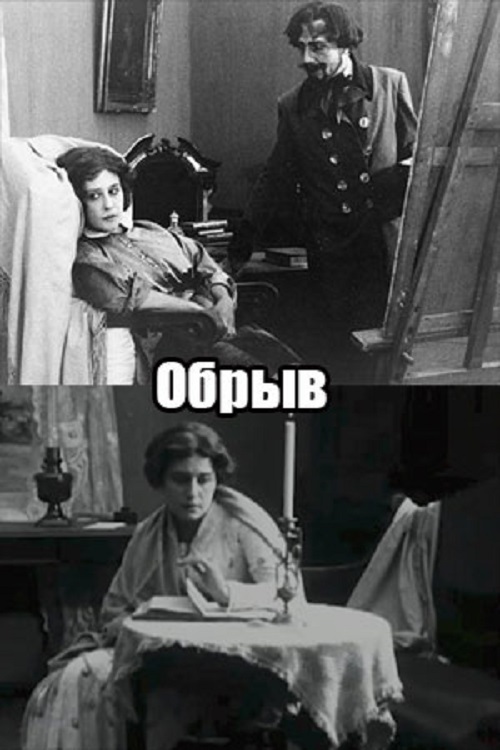
A definitive 6.1/10 rating for a film that redefined the boundaries of cult cinema. Obryv remains a cornerstone of transgressive art.
In the vast expanse of cinematic history, certain films stand out for their ability to capture the essence of an era, transporting viewers to a bygone age with uncanny precision. Obryv, a film adaptation of Ivan Goncharov's novel of the same name, is one such masterpiece, offering a nuanced exploration of 19th-century Russian society. As the camera pans over the rolling landscapes and opulent interiors, the audience is immersed in a world of complex moralities and societal expectations, where the pursuit of love and personal fulfillment is fraught with challenges.
The narrative of Obryv is a rich tapestry, woven from the threads of its characters' lives, each one a testament to the human experience. At the heart of the story lies a profound exploration of the human condition, as the protagonists grapple with the consequences of their choices, navigating the treacherous waters of love, family, and social obligation. Through the characters' struggles and triumphs, the film sheds light on the universal themes that transcend time and place, speaking to fundamental aspects of the human experience.
One of the most striking aspects of Obryv is its thoughtful pacing, which allows the viewer to absorb the complexities of the narrative, reflecting on the characters' motivations and the societal context in which they live. This considered approach to storytelling enables the film to convey the depth and richness of Goncharov's novel, translating the literary masterpiece into a cinematic experience that is both haunting and thought-provoking. As the story unfolds, the audience is drawn into a world of moral ambiguity, where the boundaries between right and wrong are continually blurred, challenging viewers to confront their own assumptions and biases.
In comparison to other films of the era, such as Glacier National Park and From the Manger to the Cross, Obryv stands out for its nuanced characterization and thoughtful exploration of the human experience. While these films offer a glimpse into the natural world and the realm of faith, Obryv delves into the intricacies of human relationships, exposing the flaws and strengths of its protagonists with unflinching honesty. This focus on character development and moral complexity sets Obryv apart from its contemporaries, cementing its place as a landmark of early cinema.
The preservation of Obryv without subtitles is a testament to the enduring power of the cinematic medium, which can convey complex emotions and ideas without the need for verbal exposition. As the viewer watches the film, they are able to absorb the narrative through a combination of visual and contextual cues, drawing upon their own experiences and intuition to interpret the story. This approach to storytelling enables Obryv to transcend linguistic and cultural barriers, speaking to a universal audience in a language that is both timeless and profound.
In conclusion, Obryv is a film that rewards close attention and reflection, offering a rich and nuanced exploration of the human experience. Through its thoughtful pacing, complex characterization, and universal themes, the film provides a cinematic experience that is both haunting and thought-provoking, challenging viewers to confront their own assumptions and biases. As a landmark of early cinema, Obryv remains a powerful and enduring work, one that continues to resonate with contemporary audiences and inspire new generations of filmmakers and film enthusiasts alike.
IMDb 6.2
1911
Community
Log in to comment.