DbcultAccessing Vault...
Cult Review
Senior Film Conservator
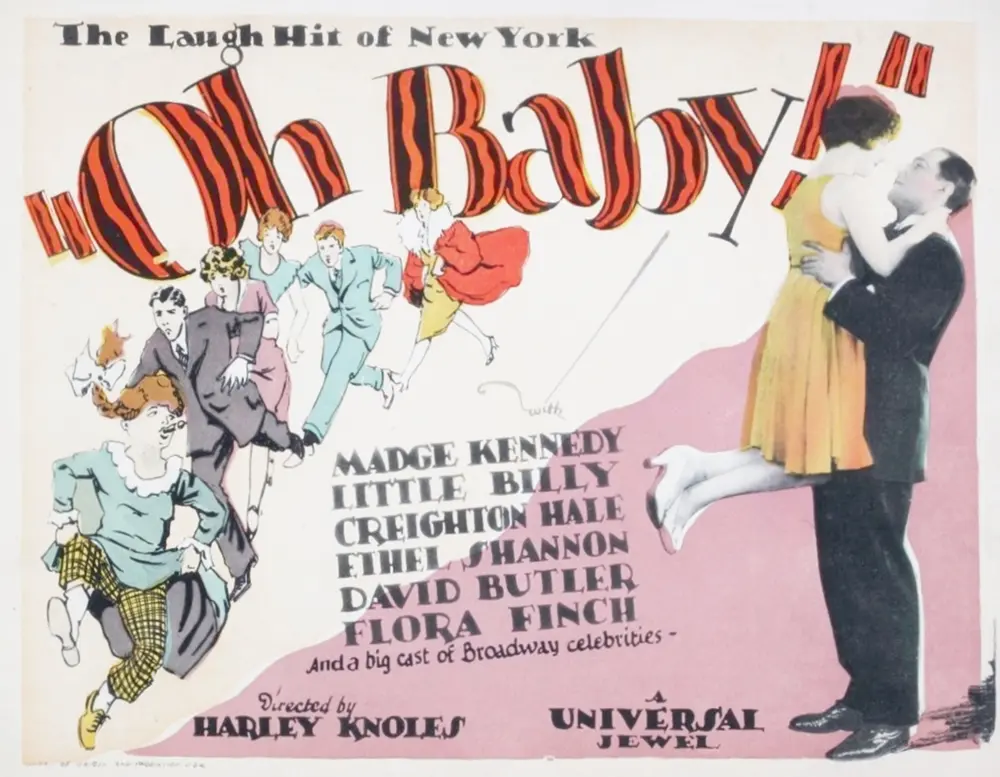
Short answer: Yes, but it’s not without its flaws. Oh, Baby! is a delightful example of early Hollywood comedy, filled with gender-bending antics and a charming, if slightly dated, sense of humor. It’s worth watching for its unique premise and the performances of its cast, particularly Grantland Rice in the lead role.
This film is a must-watch for those interested in the early days of cinema, fans of gender-bending comedy, and those who appreciate the charm of early American humor. It’s less suitable for those who prefer more grounded, contemporary comedies or those seeking a film with a more complex narrative.
This film works primarily because of its unique premise and the delightful performances of its cast. The central idea of a man posing as a woman is both fresh and charming, and the film navigates this premise with a mix of humor and heart. The supporting cast, including Sid Mercer and Madge Kennedy, adds depth and energy to the story, making it a more fulfilling watch than one might expect from a film of its era.
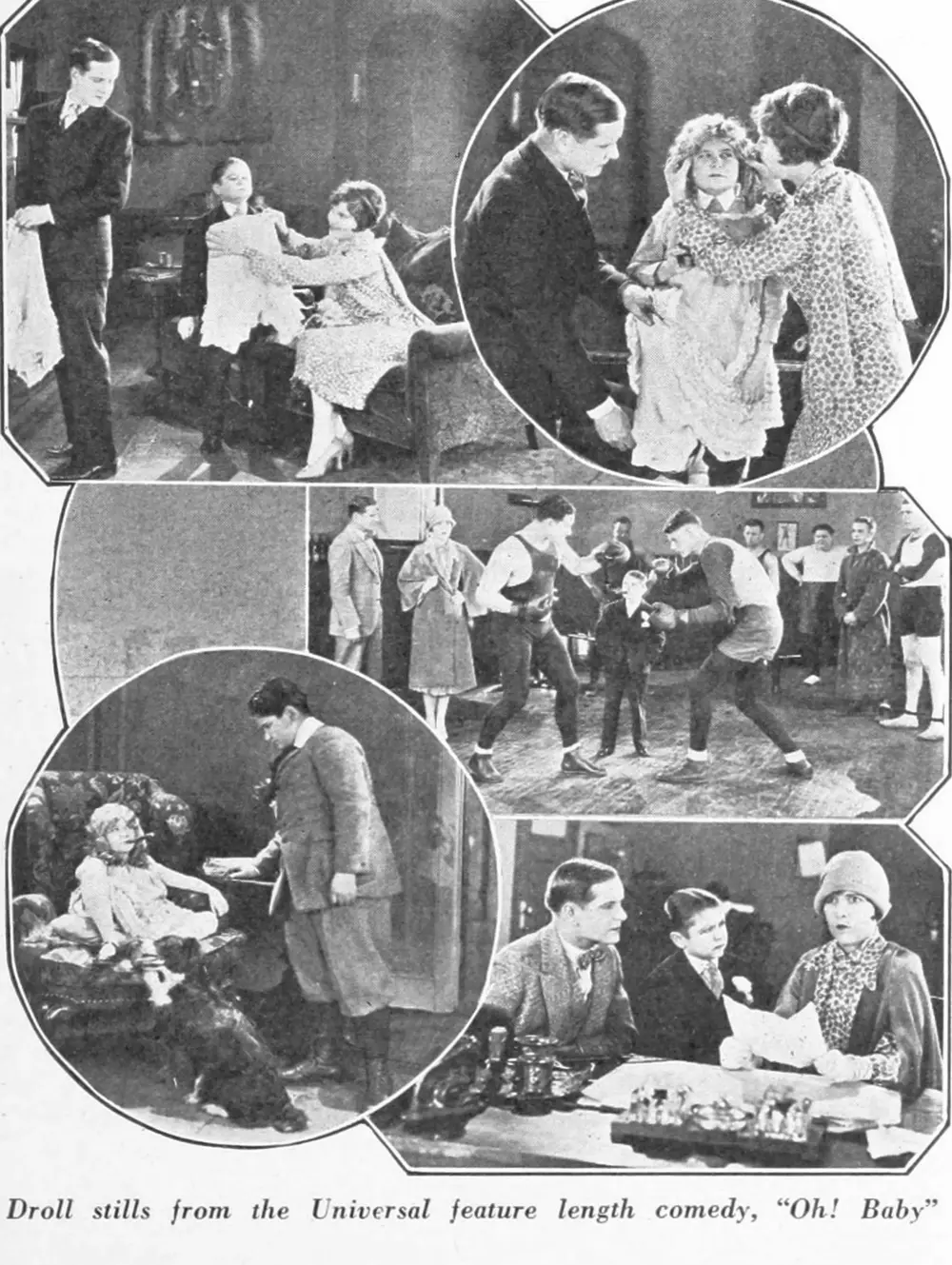
This film fails somewhat in its pacing and in its attempts to be overly sentimental. While the humor is generally effective, the film occasionally veers into territory that feels a bit forced, particularly in its attempts to establish a romantic subplot. Additionally, while the visual elements of the film are charming, the technical aspects, such as the cinematography and sound design, are decidedly of their time, which can be jarring for modern audiences.
You should watch it if you’re interested in early American cinema, particularly the comedic genre of the 1920s. It’s also worth a watch for fans of gender-bending humor and those who appreciate the charm of vintage Hollywood. If you’re looking for a more complex narrative or a film with a modern sensibility, this might not be the best choice for you.
Grantland Rice delivers a standout performance as Billy, the diminutive manager who takes on the role of a woman. His physical comedy is top-notch, and he brings a charming, if slightly campy, energy to the role. Sid Mercer and Madge Kennedy also contribute strong support, particularly in their comedic scenes. The film’s reliance on physical humor is effective, especially in its more slapstick moments, but it occasionally feels a bit dated in its attempts at romance.
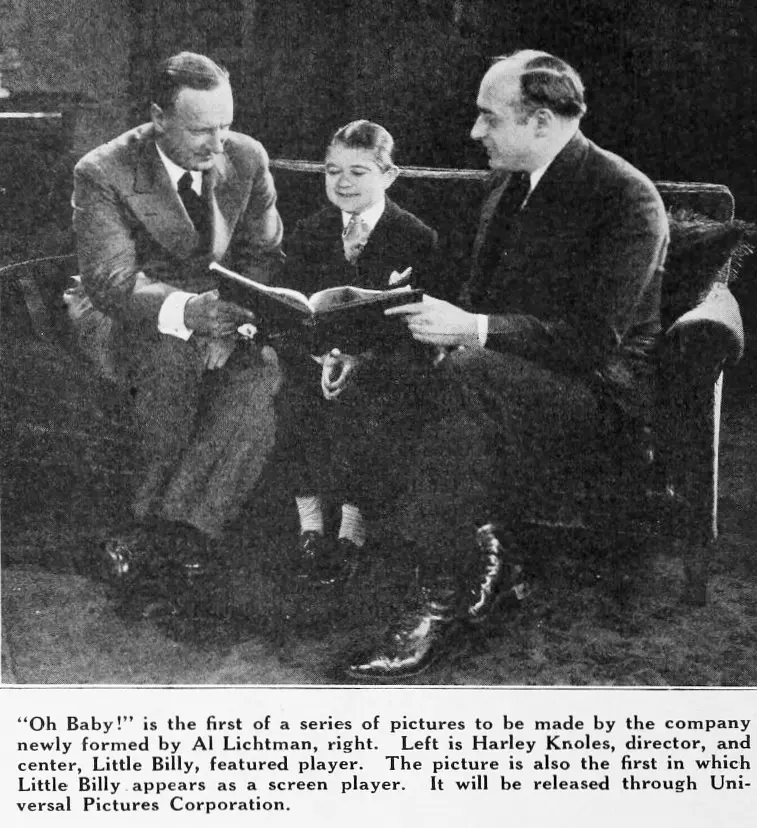
Harley Knoles and Arthur Hoerl’s direction is adept at balancing the film’s comedic moments with its more sentimental ones. They handle the physical comedy with skill, using clever gags and witty dialogue to keep the audience engaged. However, the film occasionally feels a bit overlong, particularly in its attempts to establish a romantic subplot, which can detract from the overall pace.
The film’s cinematography is charming but decidedly of its time. The use of color in the costumes and the overall aesthetic is pleasing, but the film’s reliance on physical comedy means that the visual elements are secondary to the performances. The film’s use of a small set and limited locations is a limitation that can make the film feel somewhat static, particularly in its more comedic scenes.
The pacing of the film is generally effective, particularly in its more comedic moments. The film’s reliance on physical humor means that its pacing is generally brisk, with few lulls in the action. However, the film occasionally feels a bit long in its attempts to establish a romantic subplot, which can detract from the overall pace. The film’s use of a small set means that the pacing can also feel somewhat static, particularly in its more comedic scenes.
The tone of the film is generally light and humorous, with a mix of physical comedy and witty dialogue. The film’s reliance on physical humor means that its tone is generally light and playful, and the film’s attempts at romance are generally effective, though they occasionally feel a bit forced. The film’s reliance on physical comedy means that its tone is generally light and playful, and the film’s attempts at romance are generally effective, though they occasionally feel a bit forced.
Oh, Baby! is a charming example of early American cinema, filled with delightful performances and a unique premise. While it occasionally feels a bit long and its attempts at a romantic subplot can be a bit forced, the film remains a must-watch for those interested in the comedy of the 1920s. It’s a film that works because of its unique premise and the charm of its performances, but it’s not without its flaws. It’s a film that’s worth watching, but it’s not perfect.

IMDb 6
1912
Community
Log in to comment.